Barcelona: History, Stadium, Trophies, Legends and 2026-27 Guide
Barcelona stand for a style, an identity, and a trophy record that few clubs in world football can match. The blue and garnet shirt, the Camp Nou crowd, and the academy pipeline at La Masia all form part of a story that began in 1899. The club motto, Mes que un club, captures the idea that Barcelona represent more than football for the city and for Catalonia.
This guide covers the full arc of Barcelona history, from the foundation under Joan Gamper to the modern era of trebles and back-to-back league titles. It explains the stadium, the trophy record, the legends who shaped the identity, and the state of play in the 2026-27 season.
Barcelona History: Foundation and Catalan Identity
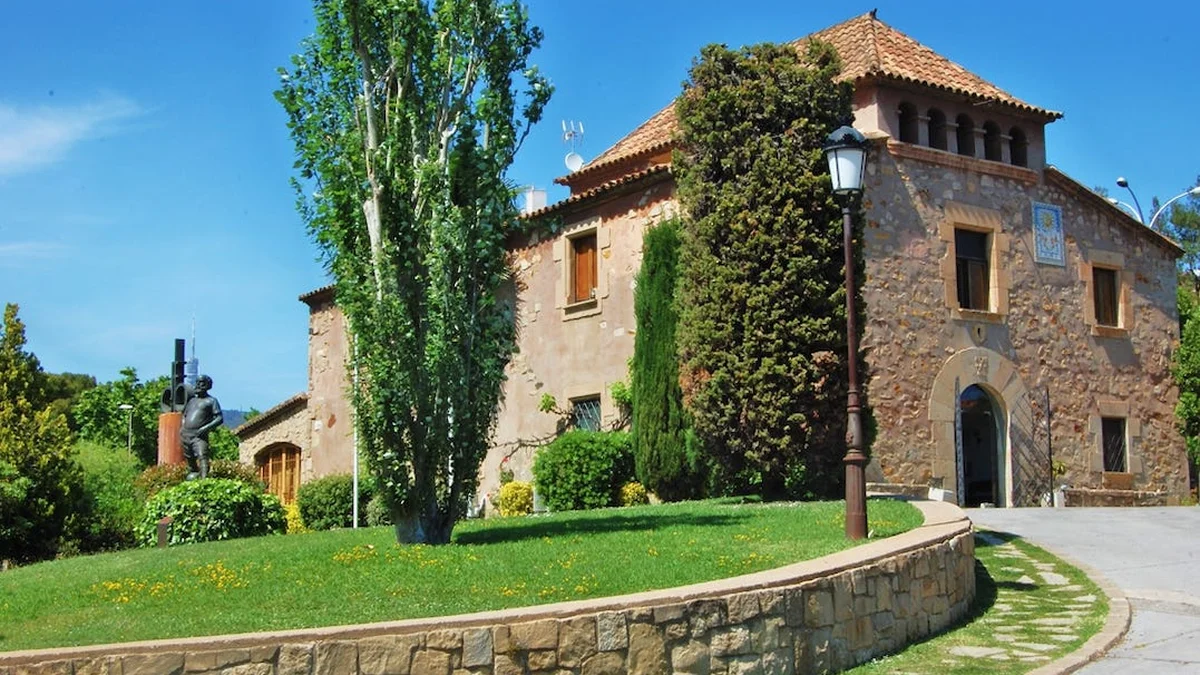
On 29 November 1899, eleven players met at the Gimnasio Sole in Barcelona and formed Foot-Ball Club Barcelona. Swiss-born Joan Gamper led the group, which included Swiss, Catalan, German, and English footballers. Gamper later served as club president on five occasions and saved the club from collapse in its early years.
From the start, Barcelona grew into a symbol of Catalan culture. The club switched the official language to Catalan, built a large membership base, and turned the stadium into a gathering place for the city. The supporters own and operate the club, a structure that still sets Barcelona apart from most European giants.
From Kubala to Cruyff and the Dream Team
The 1950s brought the first golden age. Laszlo Kubala led the team to five trophies in 1952, including LaLiga and the Spanish Cup, and became a hero for a generation of fans. The club then entered a long spell in which domestic success came in bursts and European glory stayed out of reach.
Johan Cruyff changed the story twice, first as a player in the 1970s and then as a coach. As manager, Cruyff built the Dream Team, won four consecutive league titles, and delivered the first European Cup in 1992. His ideas on possession, pressing, and youth development shaped the club for decades and still shape the academy today.
Guardiola, Trebles, and the Messi Era
In 2009, Barcelona became the first Spanish club to win the continental treble of LaLiga, Copa del Rey, and Champions League, and the first European club to win six competitions in a single year. Pep Guardiola managed that team, which won 14 trophies in four years and earned praise as one of the greatest club sides ever assembled.
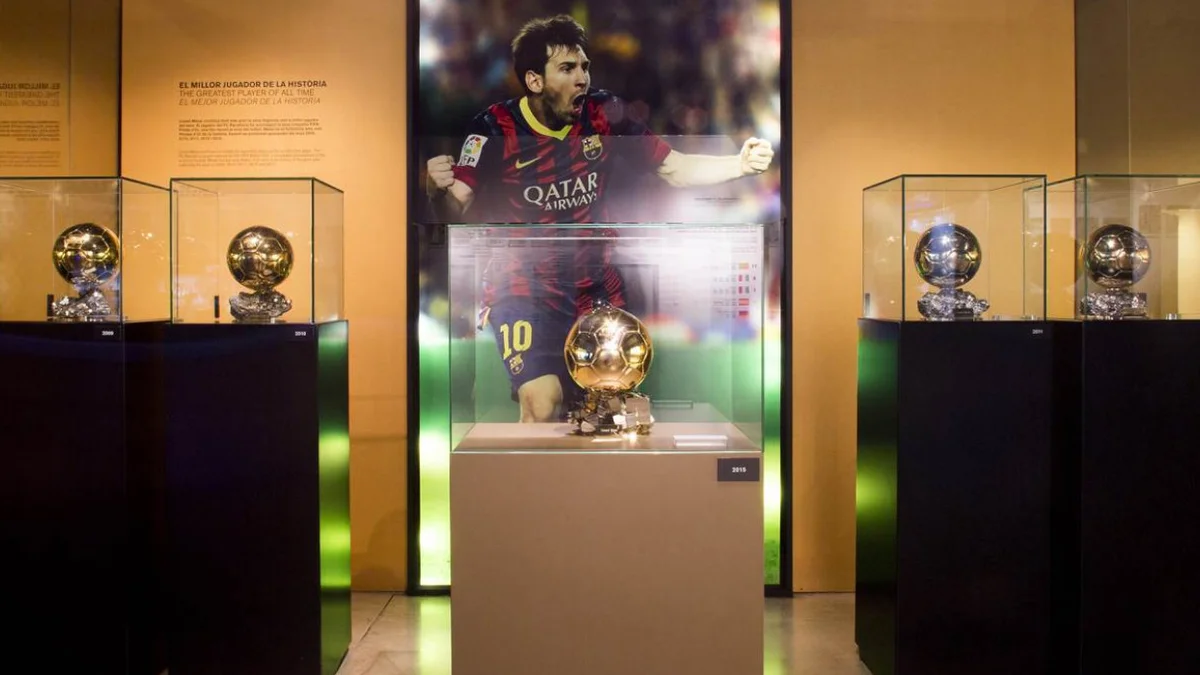
Lionel Messi stood at the centre of the era. He came through La Masia, and in 2010 he finished first in the Ballon d’Or ranking ahead of academy products Andres Iniesta and Xavi, an unprecedented feat for players from one academy. In 2015, under Luis Enrique, Barcelona won a second treble and became the first European club to complete the continental treble twice.
Barcelona Stadium: Spotify Camp Nou
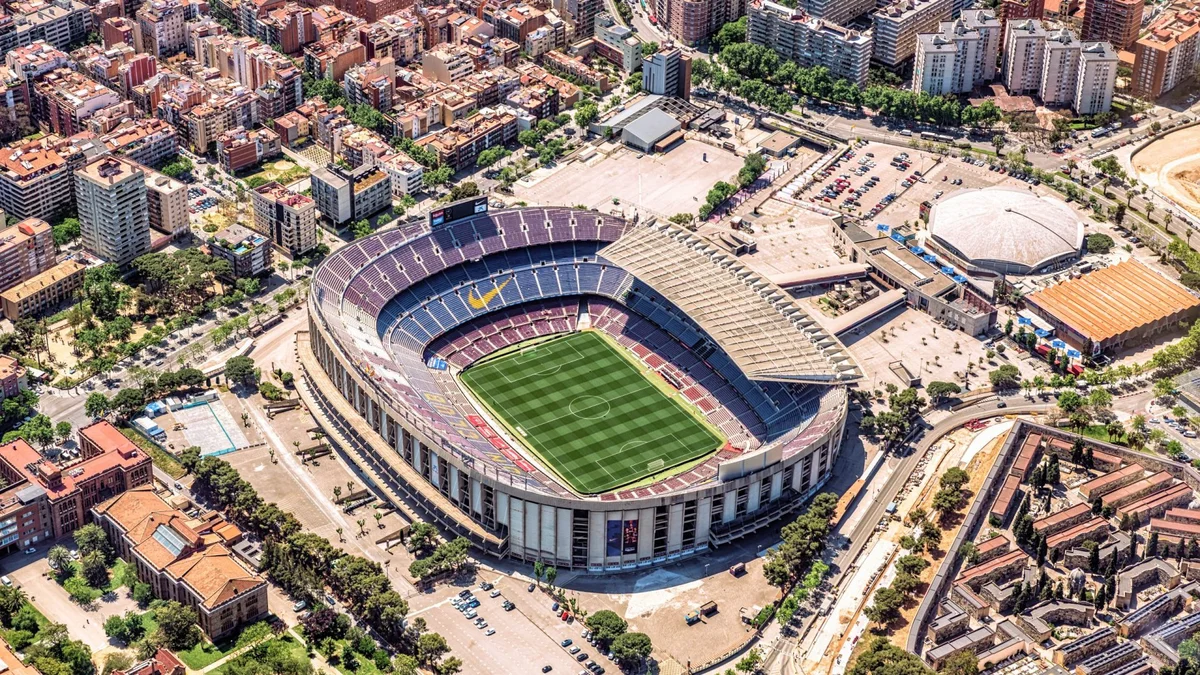
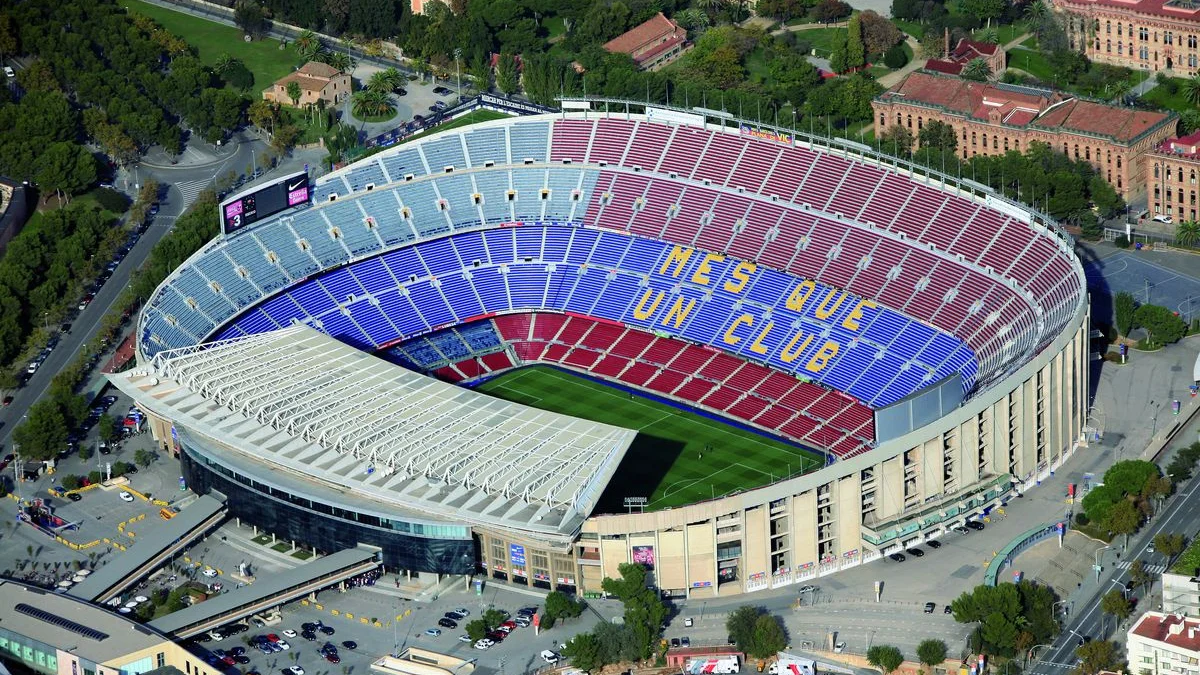
Camp Nou serves as the home of Barcelona and ranks as the largest stadium project in European club football. During the renovation period, the ground operates at a reduced current capacity of 62,652, with an expected capacity of 105,000 once the work reaches completion. The club spent the full 2024-25 season away from the ground, playing home matches at the Estadi Olimpic Lluis Companys while construction continued.
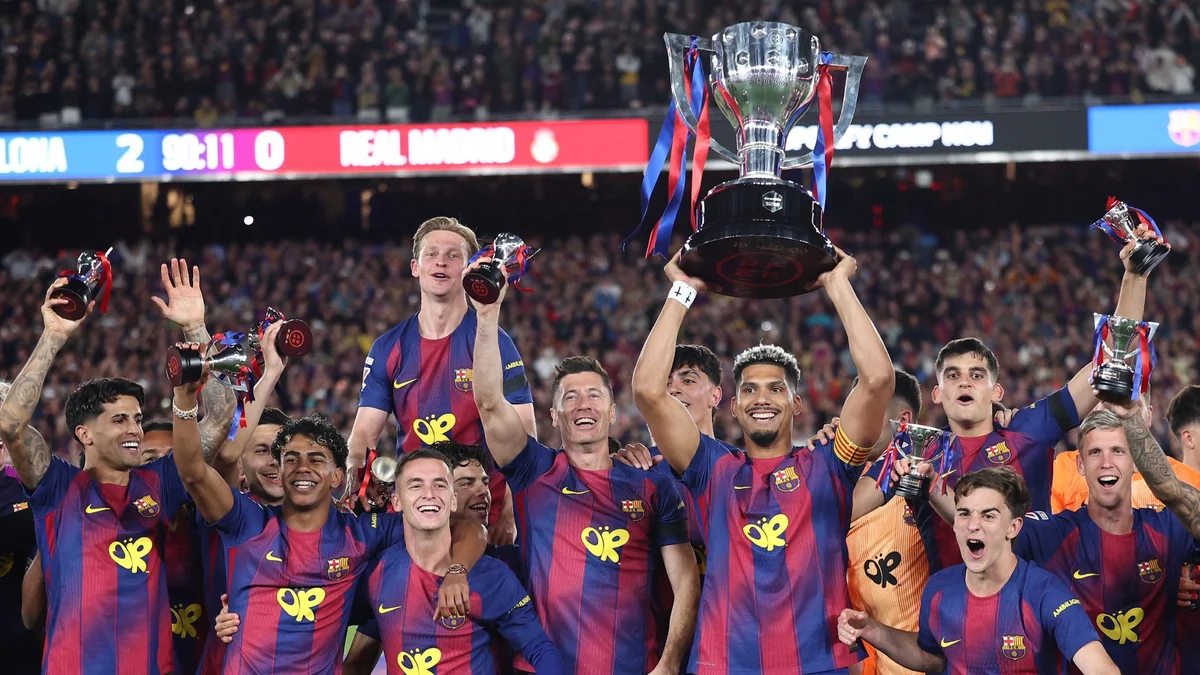
The return home carried symbolic weight. The official club report on the treble season showed the Spanish Super Cup, Copa del Rey, and LaLiga trophies on display at Spotify Camp Nou in May 2025, after a domestic treble won under Hansi Flick. The stadium remains the beating heart of the club and the stage for the biggest nights in the calendar.
Trophies and Records
Barcelona hold the Spanish record for Copa del Rey titles and sit second only to Real Madrid for LaLiga titles. In Europe, the club have won five Champions League titles and a record four Cup Winners Cup titles. The domestic and European totals below cover the major honours in club history.
| Category | Detail |
|---|---|
| Founded | 29 November 1899, as Foot-Ball Club Barcelona |
| Stadium | Spotify Camp Nou, Barcelona |
| Capacity | 62,652 current, 105,000 expected |
| LaLiga titles | 29 |
| Copa del Rey | 32, a Spanish record |
| European Cup / Champions League | 5 |
| UEFA Super Cup | 5 |
| Cup Winners Cup | 4, a European record |
| FIFA Club World Cup | 3 |
| Spanish Super Cup | 16 |
| Head coach, 2026-27 | Hansi Flick |
| 2025-26 LaLiga finish | 1st, champions |
Legendary Players
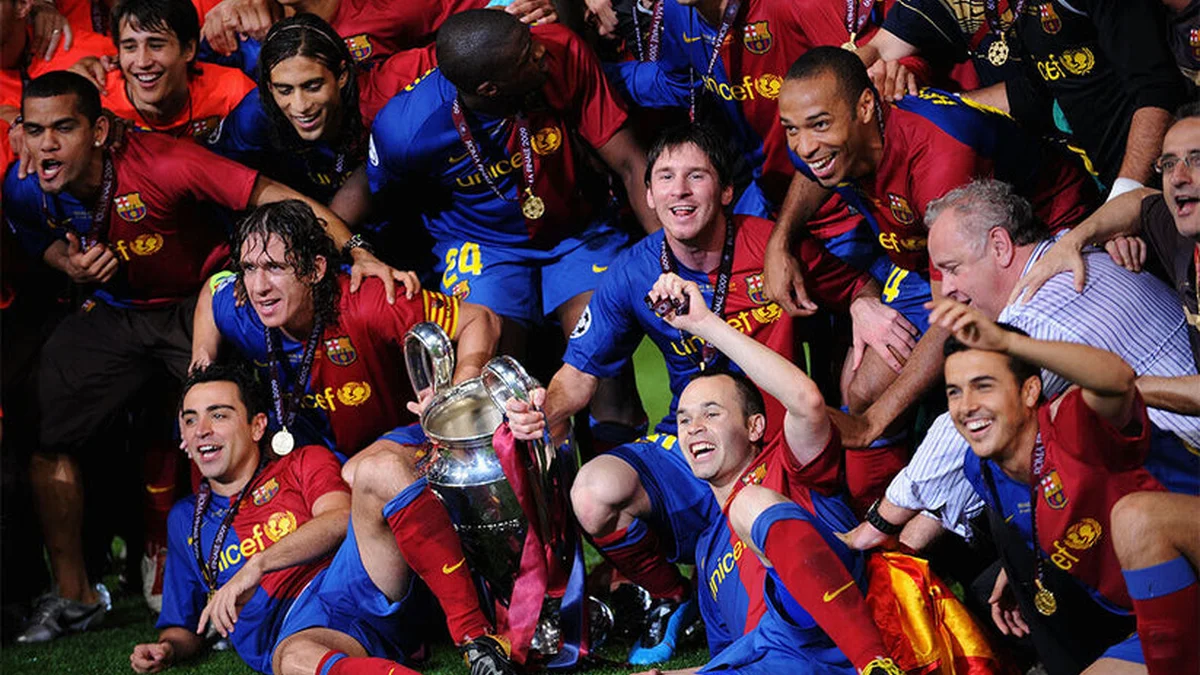
Lionel Messi leads any list of Barcelona legends. He came through La Masia, won a record number of Ballon d’Or awards while at the club, and carried the team through the most successful era in club history. Andres Iniesta and Xavi shaped the midfield with control, vision, and calm passing, and both came through the same academy.
Earlier eras produced their own icons. Laszlo Kubala defined the 1950s with goals and skill. Johan Cruyff changed the club as a player and then rebuilt it as a coach. Carles Puyol captained the Guardiola team with leadership and loyalty, while Ronaldinho brought joy back to Camp Nou in the mid-2000s.
The 2026-27 Season
Barcelona entered 2026-27 as defending champions under Hansi Flick. In 2024-25, Flick delivered a domestic treble of LaLiga, Copa del Rey, and Spanish Super Cup in his first season in charge. In 2025-26, the team sealed a 29th LaLiga title with a 2-0 win over Real Madrid at Camp Nou, moving to 91 points with three matches still to play and securing back-to-back league titles.
The challenge for 2026-27 is to extend the run. The squad blends La Masia graduates with established stars, and the attacking style under Flick remains bold and aggressive. The league title remains the priority, and a return to the later rounds of the Champions League stands as the clear next target.
Why Barcelona Matters
Barcelona matter because the club turned an identity into a winning model. The club are one of three founding members of the top division never relegated from LaLiga, along with Real Madrid and Athletic Bilbao. The academy model showed that a club could build a world-class team from within, and the 2010 Ballon d’Or podium proved the point in full.
The global reach runs deep. Barcelona players have won a joint record 12 Ballon d’Or awards, and the club rank among the most followed sports teams in the world. The style of play, the academy, and the Catalan identity all combine into a brand that travels far beyond the city.
Conclusion
From a meeting of eleven players in 1899 to back-to-back league titles in 2026, Barcelona built a history based on identity, youth, and attacking football. Camp Nou, La Masia, and the trophy cabinet all tell the same story. In 2026-27, the club chase the next title with a proven coach and a young core built to last.
Frequently Asked Questions
When was Barcelona founded?
Barcelona was founded on 29 November 1899 as Foot-Ball Club Barcelona. Joan Gamper led the group of eleven founding players.
How many LaLiga titles has Barcelona won?
Barcelona has won 29 LaLiga titles. The most recent title came in 2025-26, when the team sealed the crown with a 2-0 win over Real Madrid.
How many Champions League titles has Barcelona won?
Barcelona has won five European Cup and Champions League titles, in 1992, 2006, 2009, 2011, and 2015. The club has also won a record 32 Copa del Rey titles.
Who manages Barcelona in the 2026-27 season?
Hansi Flick manages Barcelona in the 2026-27 season. He delivered a domestic treble in his first season in charge, followed by a second straight league title in 2025-26.



One Comment