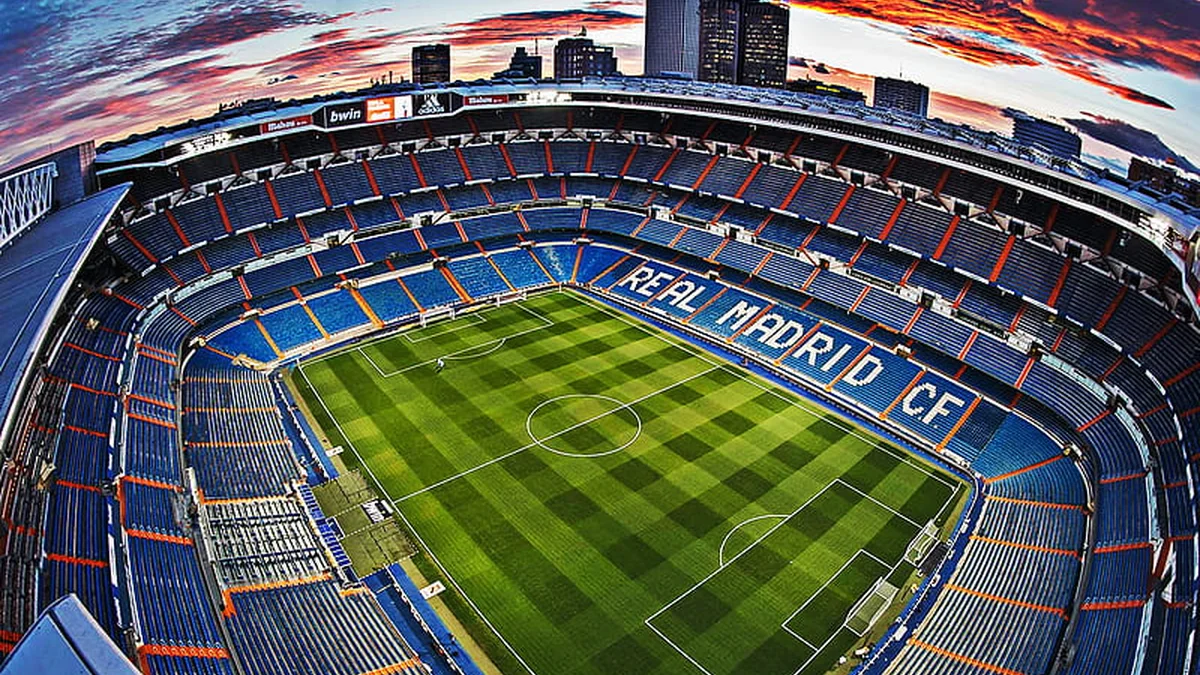
Real Madrid: History, Stadium, Trophies, Legends and 2026-27 Guide
Real Madrid stands as the most decorated club in European football. The white shirt, the packed Bernabeu, and a trophy list without equal in the continental game all form part of a story that began in Madrid in 1902. For more than 120 years, the club has set the standard for ambition, star power, and late drama on the biggest stage.
This guide covers the full arc of Real Madrid history, from the foundation as Madrid Football Club to the modern era of Champions League dominance. It explains the stadium, the trophy record, the legends who shaped the identity, and the state of play in the 2026-27 season.
Real Madrid History: From Foundation to Royal Title

On 6 March 1902, a new board led by Juan Padros was elected, and Madrid Football Club was officially founded. The founders chose white shirts, a choice that gave the team the nickname Los Blancos. In 1905, the young club won a first Spanish Cup title by beating Athletic Bilbao in the final. In 1909, the club became one of the founding sides of the Royal Spanish Football Federation.
In 1920, King Alfonso XIII granted the title Real, which means Royal, to the club. The name Real Madrid was born, along with the royal crown in the emblem. The club won a first league title in the 1931-32 season and kept the crown the next year. Progress stopped with the Spanish Civil War, and the club had to rebuild when football resumed.
The Bernabeu Era and Five European Cups in a Row
Santiago Bernabeu became president in 1943 and changed the course of the club. He rebuilt the team after the war, oversaw the construction of a new stadium, and built a recruitment plan based on world-class talent from abroad. The most important signing was Alfredo Di Stefano, who arrived in 1953 and became the defining player of an era.
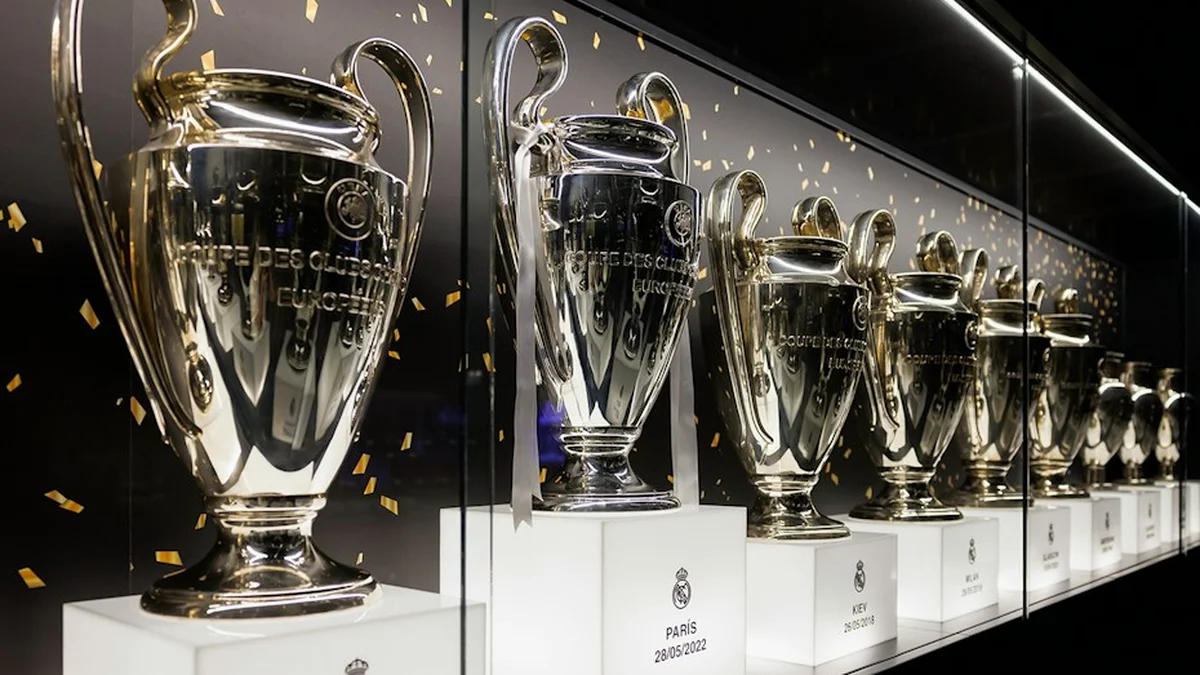
Real Madrid won the European Cup five times in a row between 1956 and 1960. Di Stefano played beside Ferenc Puskas, Paco Gento, Raymond Kopa, and Jose Santamaria in a team that many observers still rank among the greatest sides ever assembled. A sixth European crown followed in 1966, with Amancio and Pirri in the starting line-up. At home, the club won 12 league titles in 16 seasons between 1953-54 and 1968-69.
Quinta del Buitre, Galacticos, and the Modern European Run

In the second half of the 1980s, a home-grown generation known as La Quinta del Buitre carried the club. Emilio Butragueno, Manolo Sanchis, Martin Vazquez, Michel, and Miguel Pardeza all came through the academy. With that core, Real Madrid won five Spanish championships in a row and two UEFA Cups.
The Galacticos policy then brought the biggest names in world football to Madrid, including Luis Figo, Zinedine Zidane, Ronaldo, and David Beckham. Cristiano Ronaldo arrived in 2009 and became the record scorer in club history. The modern peak came with three consecutive Champions League titles in 2016, 2017, and 2018. In 2024, the club won a record-extending 15th Champions League title. FIFA had already named Real Madrid the Best Club of the 20th Century.
Santiago Bernabeu Stadium

Real Madrid have played home matches at the Bernabeu since 1947. The stadium holds 83,186 spectators and sits in the heart of the Spanish capital. It carries the name of the president who drove the construction and turned the club into a global power. The official club history presents the Bernabeu as an architectural emblem of Madrid and the most iconic stadium in world football.
Unlike most European clubs, Real Madrid remain owned and operated by the members, known as socios. That structure has stayed in place through the full history of the club and remains a central part of the identity.
Trophies and Records
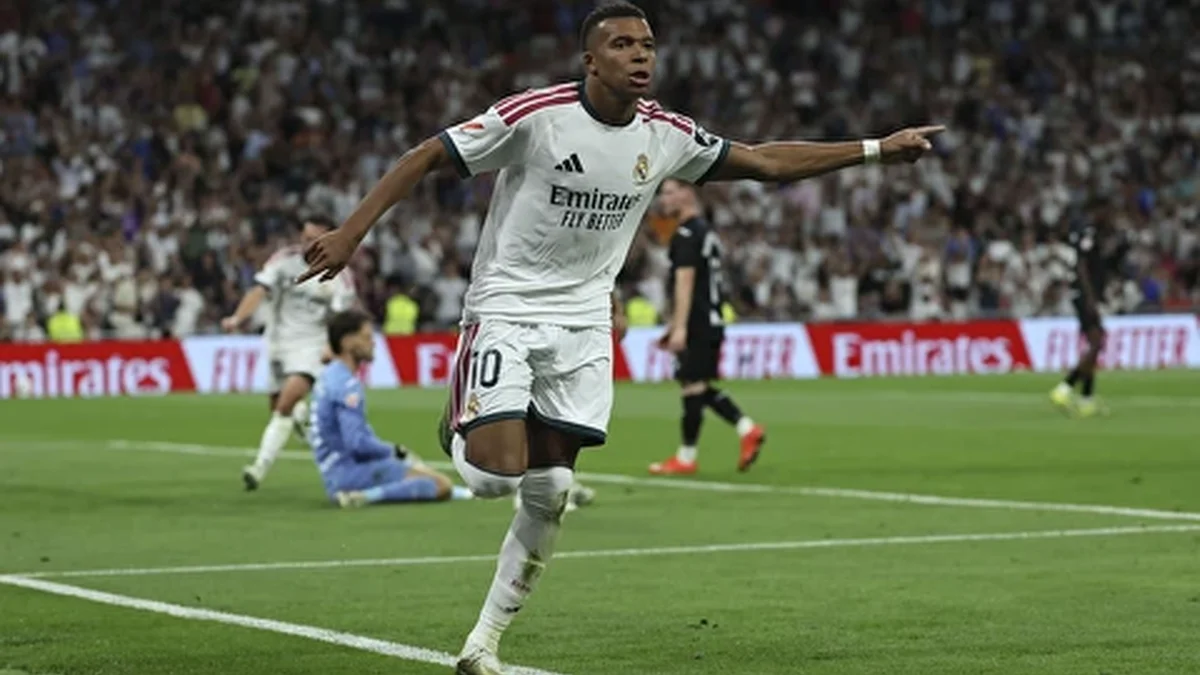
The trophy record explains why Real Madrid sit at the top of every all-time ranking in Europe. The club hold the record for LaLiga titles and for European Cup and Champions League titles. The domestic and European totals below cover the major honours in club history.
| Category | Detail |
|---|---|
| Founded | 6 March 1902, as Madrid Football Club |
| Stadium | Santiago Bernabeu, Madrid |
| Capacity | 83,186 |
| LaLiga titles | 36, a Spanish record |
| Copa del Rey | 20 |
| European Cup / Champions League | 15, a European record |
| UEFA Super Cup | 6 |
| UEFA Cup | 2 |
| Spanish Super Cup | 13 |
| Head coach, 2026-27 | Jose Mourinho |
| 2025-26 LaLiga finish | 2nd |
Legendary Players
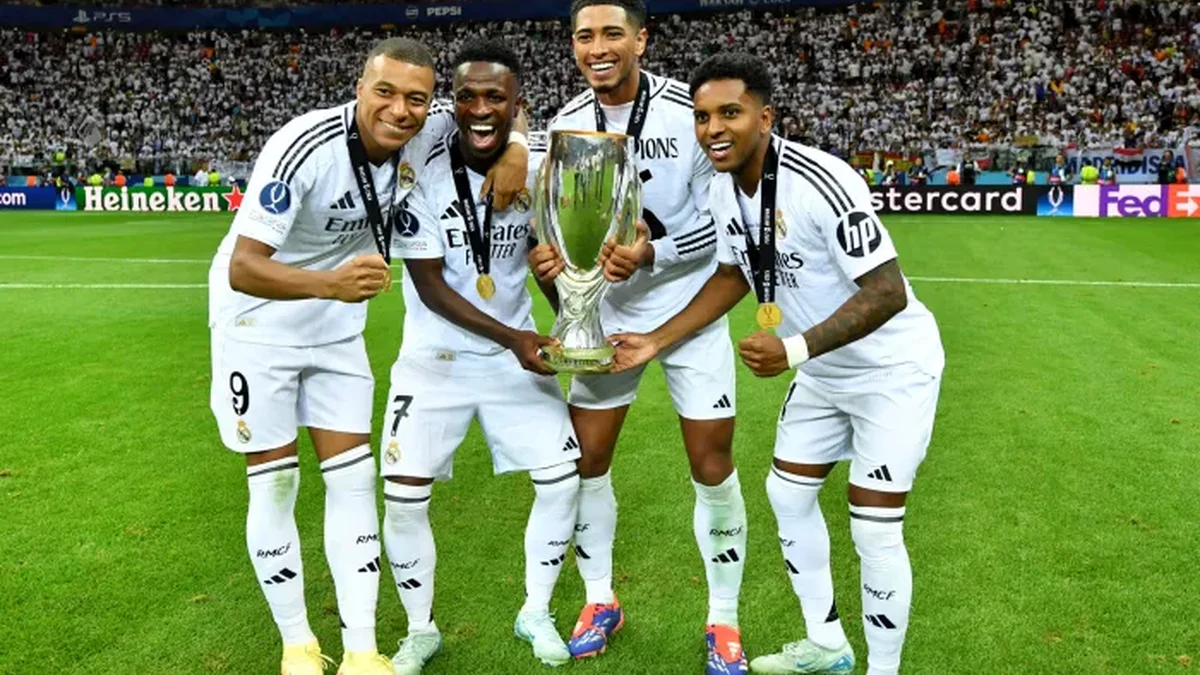
Alfredo Di Stefano leads any list of Real Madrid legends. The forward set the standard for complete attacking play and drove the five consecutive European Cups. Ferenc Puskas added lethal finishing, Paco Gento brought pace on the flank, and Raymond Kopa supplied craft. Jose Santamaria anchored the defence.
Later eras produced new icons. Amancio and Pirri starred in the 1966 European Cup win. Raul and Iker Casillas came through the academy and became symbols of the modern club. Cristiano Ronaldo turned scoring records into routine and led the team to four Champions League titles in five seasons between 2014 and 2018.
The 2026-27 Season
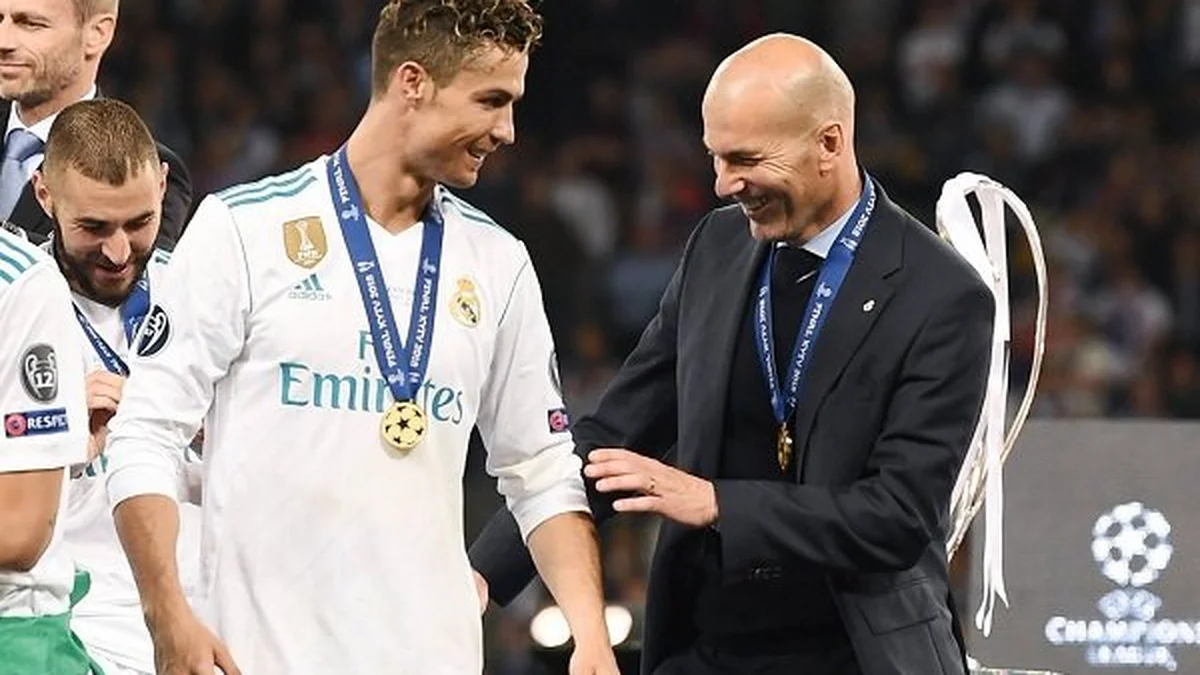
Real Madrid entered 2026-27 under Jose Mourinho, who returned as head coach on a three-year deal and began work when the squad reported for pre-season training on 13 July. The appointment followed a trophyless second straight season in 2025-26, when the club finished second in LaLiga behind Barcelona.
The mission for the new season is clear. Mourinho was brought back to restore order, tighten the defence, and turn narrow defeats into titles. The squad blends established stars with young talent, and the Bernabeu crowd expects a direct challenge for LaLiga and another deep run in Europe.
Why Real Madrid Matters
Real Madrid matter because the club define what success looks like in European football. The club are one of three founding members of LaLiga never relegated from the top division, along with Barcelona and Athletic Bilbao. The club became the first football club to pass 1 billion euros in revenue and the first sports organisation to reach 600 million followers on social media.
The influence runs beyond trophies. The Bernabeu helped shape the European Cup itself, and the Real Madrid academy, known as La Fabrica, has supplied more players to the top five European leagues than any other academy. When the club move, the whole market moves with them.
Real Madrid 2026-27 Squad and New Signings: Who Has Joined the Team of Mourinho?
The return of Jose Mourinho started with a rebuild. After a 2025-26 season that ended in second place behind Barcelona and without a trophy, Real Madrid moved early in the summer transfer window, and ESPN reported that the signings formed part of a shake-up at the Bernabeu. Three new faces headline the Real Madrid squad for 2026-27, and each one fills a clear gap in the team.
The biggest defensive arrival is Ibrahima Konate, who joined on a free transfer from Liverpool after his contract at Anfield expired. ESPN confirmed that the France centre-back, 27, agreed a deal until 2030, and that he arrives to fill the space left by David Alaba. Konate competes for a starting place with Antonio Rudiger, Dean Huijsen, Raul Asencio and Eder Militao in the middle of the back line.
At left-back, Madrid signed Marc Cucurella from Chelsea, while midfield depth arrived with Bernardo Silva, whose signing from Manchester City ESPN also confirmed. The other big story of the autumn is in midfield: Jude Bellingham has reportedly agreed a new contract until 30 June 2031. Reports in Spain describe an agreement that extends his existing deal by two seasons, although official confirmation from the club was still pending when the reports appeared in October 2026.
| Position | Key players in the 2026-27 squad | Notes |
|---|---|---|
| Goalkeepers | Thibaut Courtois, Andriy Lunin | Courtois leads the goalkeeping group on the official squad list of the club. |
| Defenders | Trent Alexander-Arnold, Raul Asencio, Eder Militao, Dean Huijsen, Antonio Rudiger, Ibrahima Konate, Marc Cucurella | Konate and Cucurella are the new arrivals in defence. |
| Midfielders | Jude Bellingham, Eduardo Camavinga, Federico Valverde, Aurelien Tchouameni, Bernardo Silva | The reported new deal of Bellingham runs until 2031; Bernardo Silva adds title-winning experience. |
| Forwards | Vinicius Junior, Kylian Mbappe, Rodrygo, Endrick | Mbappe leads the line in the attack of Mourinho. |
The squad groups above follow the first-team squad published on the official website of the club, with the summer signings as confirmed by ESPN.
The rebuild has a clear start date. Mourinho was appointed on 11 June 2026 on a three-year contract, and the squad was reshaped around that appointment across the summer, with the defence reinforced first and title-winning experience added in midfield. The target was set by events in May: Barcelona sealed their 29th LaLiga title on 10 May 2026, which left Madrid as the challengers for 2026-27. The signings listed above were made to close that gap, and the early-season fixtures, starting with the October Clasico at the Camp Nou, will show how quickly the new side has come together.
Real Madrid Rivalries: El Clasico and El Derbi Madrileno Explained
When was the first El Clasico played?
The first meeting between Real Madrid and Barcelona took place on 13 May 1902, in the semi-finals of the Coronation Cup in Madrid, and Barcelona won it 3-1, as the official history of the fixture from LaLiga records. More than a century later, El Clasico remains the most watched club match in world football, and it still decides titles. In 2024-25, Barcelona won both league meetings, 4-0 at the Bernabeu and 4-3 at home, on their way to the title. In 2025-26, Barcelona clinched their 29th league title by beating Madrid 2-0 on 10 May 2026.
The first El Clasico of 2026-27 is scheduled for Matchday 10 at the Camp Nou on Sunday 25 October 2026, according to the fixture list published by Real Madrid. Los Blancos will travel without one of their biggest stars: Vinicius Junior will miss the match through a four-match ban that the RFEF Appeals Committee upheld. The fixture also carries an extra twist this season, because summer signing Marc Cucurella is the latest player to have played for both giants of Spanish football.
El Derbi Madrileno: the rivalry inside the capital
The second great rivalry of Real Madrid is with their neighbours, Atletico Madrid. El Derbi Madrileno splits the capital between the Bernabeu and the Metropolitano, and it has produced some of the most dramatic nights in European football. The two clubs met in two Champions League finals in three seasons: Madrid won the 2014 final in Lisbon 4-1 after extra time to lift La Decima, and won the 2016 final on penalties after a 1-1 draw, as the records of UEFA of the two finals show.
Real Madrid Records and All-Time Tables
Who is the all-time top scorer of Real Madrid?
Cristiano Ronaldo stands clear at the top of the Real Madrid scoring charts. The official records of the club credit him with 451 goals in 438 competitive appearances between 2009 and 2018. Karim Benzema is second with 354 goals in 648 games, and his 25 titles with the club equalled the record of Marcelo as the most decorated player in the history of Madrid when he left in 2023. Raul, the academy graduate who captained the side, scored 323 goals, while Alfredo Di Stefano, the leader of the five-in-a-row European Cup team, scored 308 goals in 396 official matches.
| Player | Goals | Appearances | Years at Real Madrid |
|---|---|---|---|
| Cristiano Ronaldo | 451 | 438 | 2009-2018 |
| Karim Benzema | 354 | 648 | 2009-2023 |
| Raul | 323 | 741 | 1994-2010 |
| Alfredo Di Stefano | 308 | 396 | 1953-1964 |
Raul also holds the club record for appearances, with 741 games in the white shirt according to the official records of the club, a mark that underlines how much of the history of Madrid has been written by players developed at home or signed young and kept for a decade or more.
What were the LaLiga finishes of Real Madrid in the last five seasons?
| Season | Real Madrid finish | Champions |
|---|---|---|
| 2021-22 | 1st | Real Madrid |
| 2022-23 | 2nd | Barcelona |
| 2023-24 | 1st | Real Madrid |
| 2024-25 | 2nd | Barcelona |
| 2025-26 | 2nd | Barcelona |
Two titles and three second places in five seasons underline the modern pattern at the top of Spanish football: in each of those five campaigns, Real Madrid and Barcelona occupied the top two places in LaLiga, in one order or the other.
The New Bernabeu: What Has Changed at the Home of Real Madrid?
The Santiago Bernabeu has been rebuilt around the team while Madrid kept playing in it. The redevelopment presented on the official stadium pages of the club includes a retractable grass system: the playing surface is withdrawn into the stadium and preserved below ground, which lets the arena work all year round without damaging the pitch. The works shown by the club also include a new roof, and the club unveiled a spectacular new video scoreboard for an El Clasico, transforming the inside of the ground on the biggest nights.
The stadium the club opened in 1947 now holds 83,186 fans, and the visit has become an attraction in its own right. The Tour Bernabeu, detailed on the official Bernabeu Stadium pages, takes visitors through the history and honours of the club, where the record 15 European Cups headline the display. If you are comparing grounds across Spain before a trip, the Bernabeu also features in our complete guide to LaLiga stadiums, alongside the Camp Nou and the Metropolitano.
La Fabrica: How the Academy of Real Madrid Keeps Producing Stars
The academy of Real Madrid, La Fabrica, works from the Real Madrid City training complex of the club, and its record stands comparison with any academy in Europe. Its most famous generation, La Quinta del Buitre, came through in the 1980s. The official history of the club records that Butragueno, Sanchis, Martin Vazquez and Pardeza became first-team regulars while Alfredo Di Stefano coached in the youth set-up, with Michel following soon after. A decade later, the academy produced Raul, whose 741 appearances remain a club record, and goalkeeper Iker Casillas, who went on to captain club and country.
The production line has not stopped. Defender Raul Asencio features in the official first-team squad list of the club for 2026-27, and the academy also earns the club money when its graduates move on. Winger Victor Munoz came through La Fabrica before joining Osasuna, and his transfer to Liverpool is reported to earn Real Madrid around 20 million euros from the rights the club kept in the player. It is a model that supplies the first team, feeds the transfer market and, as this guide noted above, has supplied more players to the top five European leagues than any other academy.
The 15 European Cup and Champions League Finals of Real Madrid: Every Title Win Listed
No club has made European finals its second home quite like Real Madrid. The official records of UEFA credit the club with 15 European Cup and Champions League titles, more than any other side in the history of the competition, and the run stretches across seven decades. The first five arrived in a row between 1956 and 1960, a streak no club has matched, and the most recent came at Wembley in 2024. The table below lists every one of the 15 winning finals, with the opponents and the results recorded in the official finals history.
| Season | Final opponent | Result |
|---|---|---|
| 1955-56 | Reims | Won 4-3 |
| 1956-57 | Fiorentina | Won 2-0 |
| 1957-58 | AC Milan | Won 3-2 after extra time |
| 1958-59 | Reims | Won 2-0 |
| 1959-60 | Eintracht Frankfurt | Won 7-3 |
| 1965-66 | Partizan Belgrade | Won 2-1 |
| 1997-98 | Juventus | Won 1-0 |
| 1999-2000 | Valencia | Won 3-0 |
| 2001-02 | Bayer Leverkusen | Won 2-1 |
| 2013-14 | Atletico Madrid | Won 4-1 after extra time |
| 2015-16 | Atletico Madrid | Drew 1-1, won 5-3 on penalties |
| 2016-17 | Juventus | Won 4-1 |
| 2017-18 | Liverpool | Won 3-1 |
| 2021-22 | Liverpool | Won 1-0 |
| 2023-24 | Borussia Dortmund | Won 2-0 |
Madrid have also lost three European finals, which completes a record of 18 final appearances. Benfica beat them 5-3 in Amsterdam in 1962, Inter won 3-1 in Vienna in 1964, and Liverpool edged the 1981 final 1-0 in Paris. Those defeats are the exceptions in a story defined by winning the biggest match of the season, and they help explain why the club treats this competition as its defining stage.
The chase for a 16th title shapes the 2026-27 season. Mourinho built his reputation in this competition, and a squad refreshed by Konate, Cucurella and Bernardo Silva was assembled to compete on both fronts. After Barcelona took the 2025-26 LaLiga title, the supporters of Madrid expect the response their history promises: another deep European run to sit alongside the 15 wins listed above.
Conclusion
From a small Madrid club founded in 1902 to the record holder for league and European titles, Real Madrid built the deepest winning tradition in the game. The Bernabeu, the white shirt, and the habit of winning finals all form one story. In 2026-27, the club chase the next chapter under a returning coach, with the same target that has driven every era: titles at home and in Europe.
When was Real Madrid founded?
Real Madrid was founded on 6 March 1902 as Madrid Football Club. King Alfonso XIII granted the Royal title in 1920, which gave the club the name Real Madrid.
How many Champions League titles has Real Madrid won?
Real Madrid has won 15 European Cup and Champions League titles, a European record. The run includes five consecutive wins from 1956 to 1960 and three consecutive wins from 2016 to 2018.
How many LaLiga titles has Real Madrid won?
Real Madrid has won 36 LaLiga titles, a Spanish record. The club has also won 20 Copa del Rey titles and 13 Spanish Super Cups.
Who manages Real Madrid in the 2026-27 season?
Jose Mourinho manages Real Madrid in the 2026-27 season. He returned as head coach on a three-year deal after the club finished second in LaLiga in 2025-26.
Who is the all-time top scorer of Real Madrid?
Cristiano Ronaldo is the all-time top scorer of Real Madrid. The official records of the club credit him with 451 goals in 438 competitive appearances between 2009 and 2018, ahead of Karim Benzema with 354 goals and Raul with 323.
Who did Real Madrid sign for the 2026-27 season?
The headline signings of Real Madrid for 2026-27 are centre-back Ibrahima Konate, who joined on a free transfer from Liverpool on a deal until 2030, left-back Marc Cucurella from Chelsea, and midfielder Bernardo Silva from Manchester City, as confirmed by ESPN.



25 Comments