LaLiga Single-Season Records: The 50-Goal Year and the 100-Point Seasons
LaLiga single season records: One season can define a career. A striker catches fire, a team clicks into gear, and numbers pile up that look impossible a year later. LaLiga has seen a few of those seasons, and most of them belong to the same golden stretch of Spanish football between 2011 and 2013.
The single-season record books read like a list of superlatives. Fifty goals. Eight hat-tricks. Twenty-one assists. One hundred points. Here are the LaLiga record books on the greatest one-season marks in Spanish football.
Fifty Goals: The Messi Season
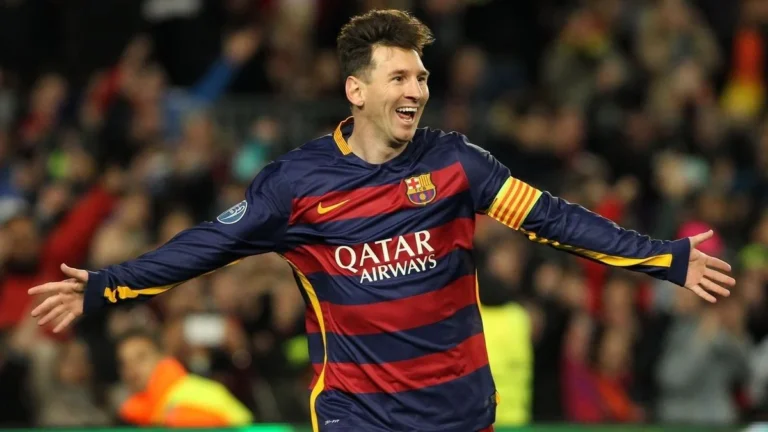
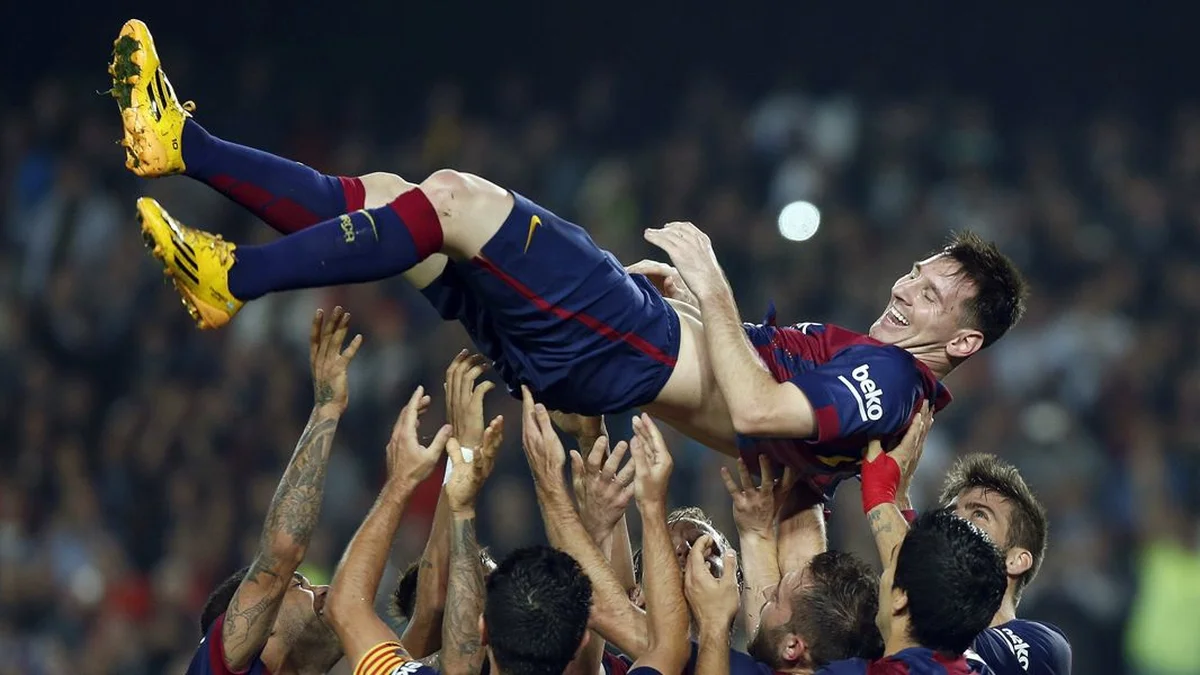
Lionel Messi scored 50 LaLiga goals in the 2011-12 season, in only 37 games. The mark still stands as the record for one season in Spain and across the five big leagues in Europe. Barcelona finished second that season, which makes the total even more remarkable, since the goals came without a league title.
The season also produced the highest team scoring total in league history, but the goals alone tell the story. Messi scored from every angle: free kicks, penalties, chips, and tap-ins. The mark has stood since 2012, and the season remains the standard that every great striker chases.
Eight Hat-Tricks in One Season
Messi scored eight hat-tricks in the 2011-12 season, another league record. A hat-trick alone marks a great day for a striker. Eight of them in one season means a player decided eight separate matches almost on his own.
The career hat-trick chart shows the same dominance. Messi leads with 36 trebles in LaLiga, ahead of Cristiano Ronaldo with 34. One season from Messi in 2011-12 matches the career totals of most great strikers in league history.
The 2011-12 Season: The Greatest Ever?

The 2011-12 season stands as the greatest single campaign in LaLiga history. Real Madrid won the title with 100 points, 121 goals, and 32 wins, while Barcelona finished second with 91 points. Messi scored 50 goals and eight hat-tricks in the same season.
No other season packs so many records into nine months. The team marks and the player marks both fell in the same campaign, which shows how high the standard rose when the two giants pushed each other.
Twenty-One Assists: The Playmaker Record
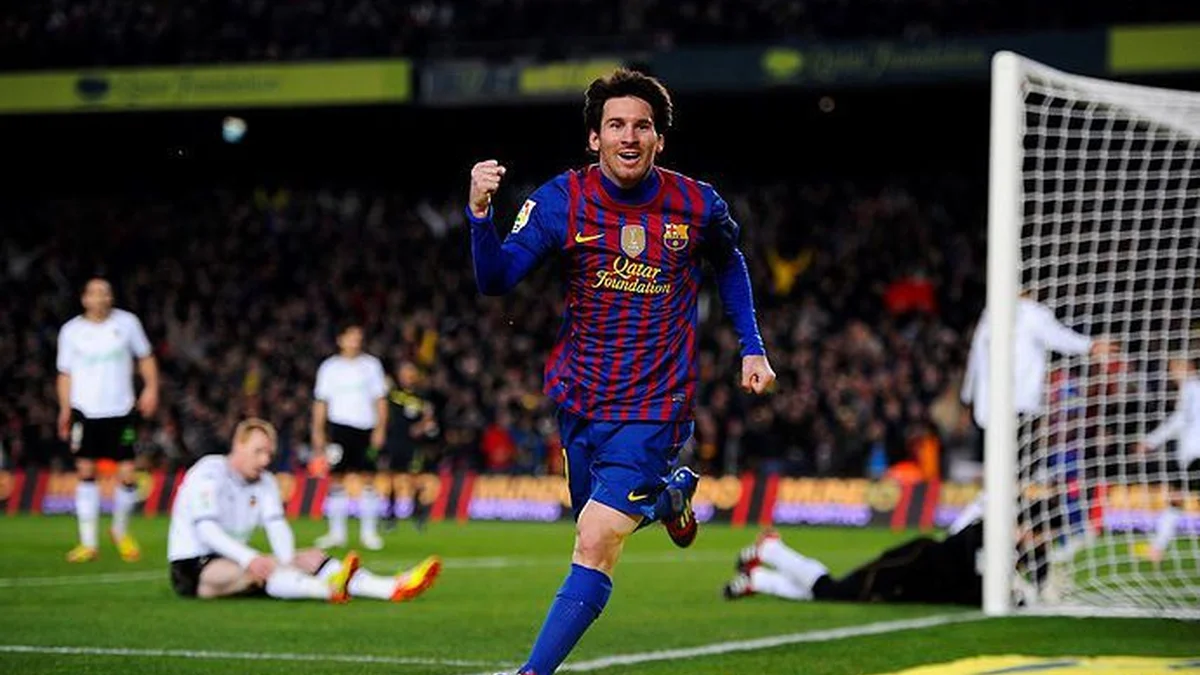
Messi also owns the single-season assist record. He set 21 goals for teammates in the 2019-20 season, which passed the old mark of 20 set by Xavi in the 2008-09 season. The old mark had stood for 11 seasons. The record shows the full range of his game: the same player who scored 50 goals in a season also created more goals than any other playmaker in a single campaign.
Messi leads the career assist chart too, with 192 assists in LaLiga, ahead of Xavi with 129. The single-season mark of 21 still stands.
The 100-Point Seasons
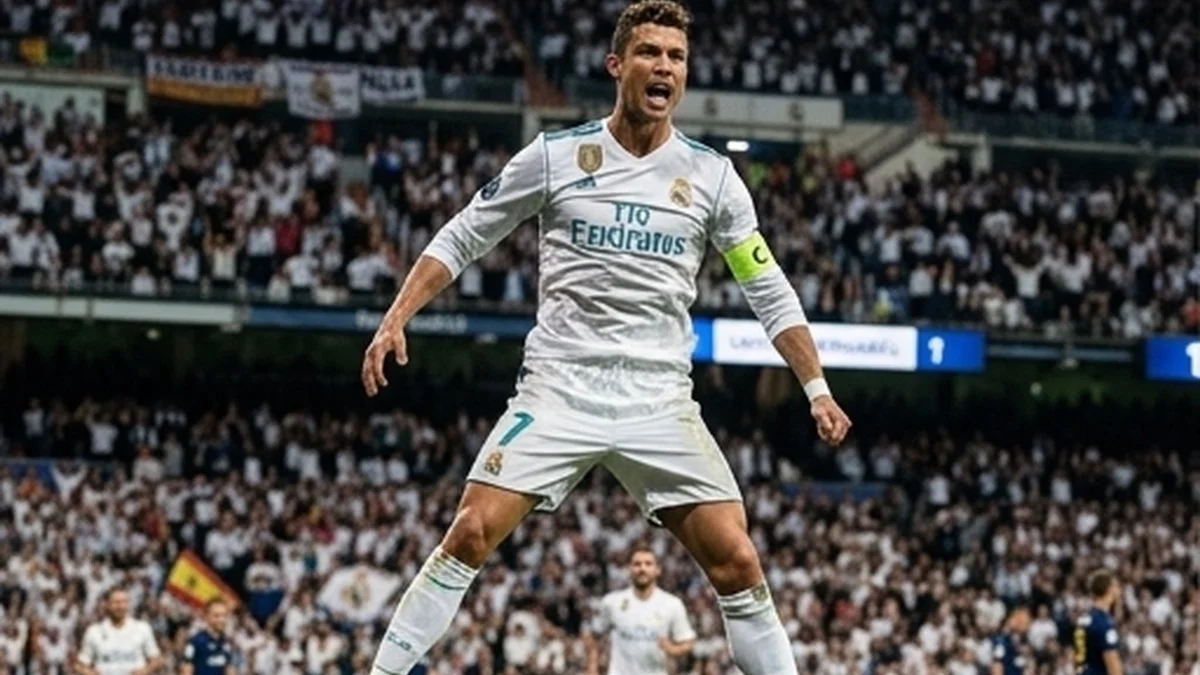
Two teams have reached 100 points in a LaLiga season. Real Madrid set the mark first in 2011-12, with 32 wins, 4 draws, and 2 defeats across 38 games. Barcelona matched the total one season later in 2012-13, with the exact same balance of 32 wins, 4 draws, and 2 defeats.
The 100-point seasons came back to back, which shows how high the standard rose during that era. Real Madrid scored 121 goals in their 100-point season, which stands as the team scoring record. Barcelona scored 115 goals in their 100-point season. No other team has reached 100 points since.
The Records That Fell in 2012-13

The next season kept the run going. Barcelona won the title with 100 points and 115 goals, which matched the points record set one year earlier. The Catalans won the title by 15 points, which set a new record margin in the competition.
Two seasons in a row produced record after record, which marks the greatest two-year stretch in league history. The 100-point seasons, the 121-goal campaign, and the 50-goal season all fell inside a 24-month window.
The Team Records
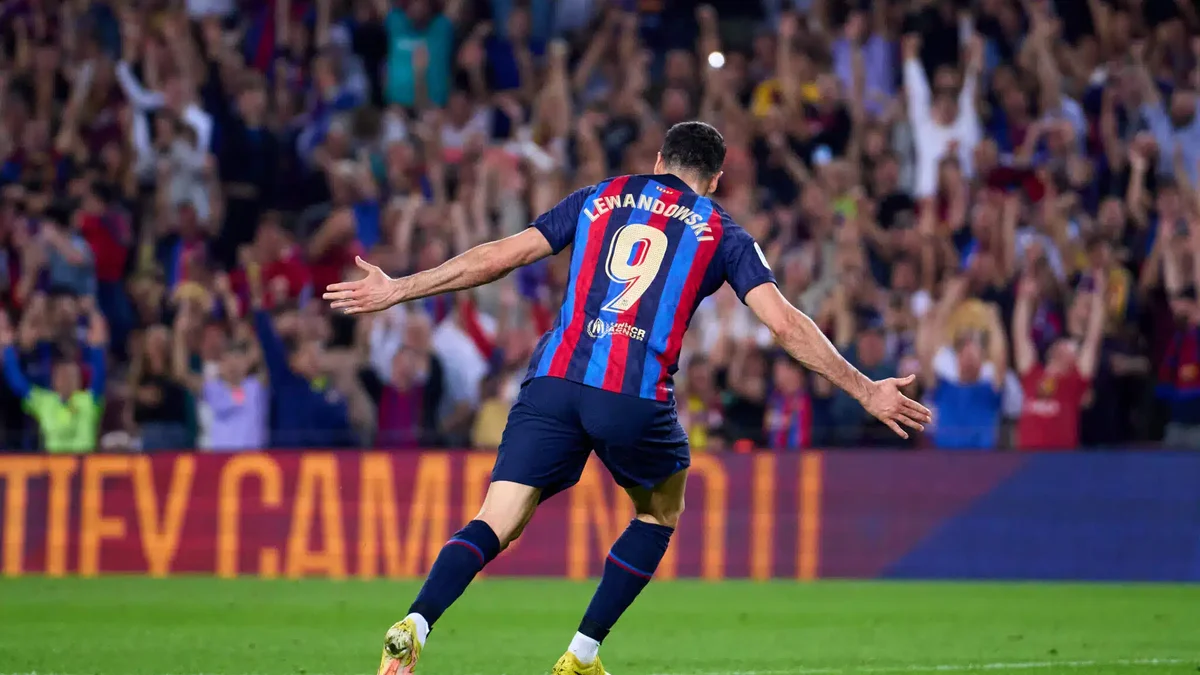
Real Madrid scored 121 goals in the 2011-12 season, the most by any team in one LaLiga campaign. The same season produced 32 wins, another record shared with Barcelona in 2012-13. Those two seasons set the bar for attacking football in Spain.
At the other end of the pitch, Claudio Bravo went 754 minutes without conceding at the start of the 2014-15 season for Barcelona. The run lasted more than eight full matches and stands as one of the great goalkeeping marks in league history.
The 21-Game Scoring Run
Messi scored in 21 consecutive league matches during the 2012-13 season, from November 2012 to May 2013. The run means he found the net in every league game for more than half a season. The streak still stands as the league record.
The run also shows why the single-season records from that era look so safe. Messi scored 50 goals in one season, then scored in 21 straight games in the next one. The two campaigns together produced numbers that may never fall.
Single-Season Records at a Glance
The table below gathers the biggest single-season marks in one place, from the 50 goals of Messi in 2011-12 to the 100-point seasons of Real Madrid and Barcelona. Every figure on it comes from the golden stretch between 2011 and 2013.
| Record | Holder | Figure | Season |
|---|---|---|---|
| Most goals (player) | Lionel Messi | 50 | 2011-12 |
| Most hat-tricks (player) | Lionel Messi | 8 | 2011-12 |
| Most assists (player) | Lionel Messi | 21 | 2019-20 |
| Most points (club) | Real Madrid | 100 | 2011-12 |
| Most points (club) | Barcelona | 100 | 2012-13 |
| Most goals (club) | Real Madrid | 121 | 2011-12 |
| Most wins (club) | Real Madrid / Barcelona | 32 | 2011-12 / 2012-13 |
What Makes a Record Season?
A record season needs three things: a great player in peak form, a team built around him, and a full season of fitness. Messi had all three in 2011-12, when he scored 50 goals and eight hat-tricks. Real Madrid had all three in the same season, when they reached 100 points and 121 goals.
The same pattern runs through every mark on this list. The 100-point seasons needed a full squad of winners, not one star. The assist record needed a playmaker surrounded by finishers. The goalkeeping mark needed a defense that held its shape for two months. Record seasons look like solo acts, but they always stand on team work.
Who won the Pichichi in the greatest single seasons?
The single-season goalscoring records belong to a long two-man era. Between 2009-10 and 2020-21, Messi or Cristiano Ronaldo won the Pichichi Trophy every season, with one exception: Luis Suarez in 2015-16. That duopoly explains why the biggest single-season tallies all carry the same two names, and why the 50-goal year still towers above everything else.
The tallies tell the story. The 50 goals of Messi in 2011-12 remain the record, ahead of the 48 of Cristiano Ronaldo in 2014-15 and the 40 of Luis Suarez in 2015-16. Those are the only seasons of 40 goals or more in LaLiga history, and the gap from 50 down to 48 shows how far the best year of Messi stands above even the greatest challengers.
The duopoly broke only once, and the 40-goal season of Suarez is the proof. His 40 in 2015-16 stands as the only tally of 40 or more outside the Messi-Ronaldo era, and it took a once-in-a-generation Barcelona front three to produce it. The full ranking of league scorers is set out in our guide to the all-time top scorers.
The recent winners show how the game has moved on. Lewandowski took the 2022-23 Pichichi with 23 goals, Dovbyk followed with 24 in 2023-24, and Mbappe then posted 31 in 2024-25 before repeating with 25 in 2025-26, when Muriqi finished second on 23. None of those tallies would have been enough in the duopoly years, when Messi and Cristiano Ronaldo pushed the winning line toward 50. The winning totals of the last four seasons, 25, 31, 24 and 23, mark the normal range that the record years left behind.
Which single-match records belong beside the single-season marks?
A single season is built from single matches, and the one-game records of LaLiga put the season marks in perspective. The most goals scored by one player in a LaLiga match is seven, a record shared by Bata, who scored seven for Athletic Club against Barcelona on 8 February 1931, and Ladislao Kubala, who scored seven for Barcelona against Sporting Gijon on 10 February 1952.
The fastest end of the scale is just as extreme. The fastest goal in LaLiga history took 7.8 seconds, according to Guinness World Records, when Joseba Llorente scored for Real Valladolid against Espanyol on 20 January 2008. Ninety years earlier, the first goal in LaLiga history was scored by Pitus Prat of Espanyol on 10 February 1929, and the 70,000th goal of the league arrived in December 2017.
Those one-game extremes show why a 50-goal season is so hard to build. Scoring seven in one afternoon or once in under eight seconds takes a moment; doing it 50 times in 37 games takes a whole season of moments. The most famous single strikes in league history are collected in our guide to the greatest LaLiga goals.
The one-game records all carry their own dates. The seven of Bata came against Barcelona on 8 February 1931, and Kubala matched it for Barcelona against Sporting Gijon on 10 February 1952, almost exactly 21 years later. The fastest goal belongs to the modern game, with the 7.8 seconds of Llorente for Real Valladolid against Espanyol on 20 January 2008, according to Guinness World Records. The first LaLiga goal was scored by Pitus Prat for Espanyol on 10 February 1929, and the 70,000th goal of the league arrived in December 2017. Together they frame the scale a 50-goal season has to reach.
Which goalkeeping records were set in single seasons?
The goalscoring records get the headlines, but single seasons also produced the great goalkeeping marks. The Zamora Trophy, given to the goalkeeper with the lowest goals-conceded ratio each season, is the single-season prize of LaLiga for keepers, and its record holders own some of the tightest seasons ever played in Spain.
The lowest ratios on record are 0.47 goals per game, shared by Jan Oblak and Liano. Oblak owns six Zamora Trophies outright, the most by any goalkeeper, ahead of Ramallets and Valdes with five each. The 2022-23 season of Ter Stegen, when he conceded 18 goals in 37 games at 0.49, shows how close the modern greats have come to that line.
The Zamora seasons are the defensive mirror of the 50-goal year. While Messi and Cristiano Ronaldo pushed scoring to its limits in the 2010s, the great keepers of the same era pushed the goals-against line in the other direction. The full list of league prizes is explained in our guide to LaLiga trophies and awards.
The Zamora roll of honour shows the same concentration of greatness. The six Zamoras of Oblak stand alone as the record, ahead of Ramallets and Valdes with five each, and the lowest ratios on record are 0.47 goals per game, shared by Oblak and Liano. The 2022-23 season of Ter Stegen, 18 goals conceded in 37 games at 0.49, shows how close the modern greats have come to that line. Those numbers are the mirror image of the 50-goal year: while the scorers pushed the ceiling up, the keepers kept the floor as low as the record books allow.
How did the 2011-12 season of Real Madrid set the team records?
The team records from the golden stretch all point to one season. The 2011-12 campaign of Real Madrid produced 100 points, 121 goals and 32 wins, three records that still define the ceiling of a LaLiga season. Barcelona finished second with 91 points, a total that would win the title in most years, and still finished nine points behind.
The next season matched the points mark. Barcelona won the 2012-13 title with 100 points and 115 goals, equalling the record set one year earlier, and the 32-win mark is shared between the two campaigns. Two seasons in a row produced 100 points, which is why the golden stretch from 2011 to 2013 still frames every record conversation.
Those seasons also framed a title race, because 100 points bought the title both times. The 2011-12 crown went to Madrid and the 2012-13 crown to Barcelona, and the back-to-back hundreds raised the bar for every champion since. The season-by-season story of every champion is told in our LaLiga winners list.
The two record seasons share more than the points mark. The 2011-12 side of Madrid produced 100 points, 121 goals and 32 wins, while the 2012-13 side of Barcelona matched the 100 points and the 32 wins with 115 goals of their own. Barcelona finished second in 2011-12 with 91 points, a total that would win the title in most years, and still ended nine points behind. No other LaLiga season has produced 100 points, which is why those back-to-back hundreds remain the standard every champion since has been measured against.
Which Clasico records came from the great single seasons?
The great single seasons left their mark on El Clasico too. The 26 Clasico goals of Messi in 45 Clasicos are the most by any player in the fixture, and many of them came during the golden stretch when his league tallies were at their peak. Di Stefano and Cristiano Ronaldo follow with 18 Clasico goals each, both records of eras when the rivalry defined the league.
The appearance marks tell the same story of longevity. Sergio Busquets holds the fixture record with 48 Clasico matches, while the league-only record of 31 is shared by Ramos, Gento, Raul Gonzalez and Manolo Sanchis. Those totals show what the single-season records demand underneath: a career of staying fit enough to keep producing the great years.
The Clasico numbers belong in this record book because the same names keep appearing. Messi owns the single-season goals record, the single-season hat-trick record and the single-season assist record, and he also owns the Clasico scoring record. The full story of the rivalry is told in our El Clasico history.
The Clasico figures from the golden stretch still define the fixture. The 26 goals of Messi in 45 Clasicos remain the most by any player, with Di Stefano and Cristiano Ronaldo next on 18 each, and Busquets leads the appearance chart with 48. The league-only appearance mark of 31 is shared by Ramos, Gento, Raul Gonzalez and Manolo Sanchis. The famous results of those years also belong to the record book, from the 6-2 at the Bernabeu in May 2009 to the 5-0 at Camp Nou in November 2010.
What do the 2026-27 numbers say about the single-season records?
The current season shows how far the single-season records stand above the modern game. After nine matches of the 2026-27 season, Raphinha leads the scoring with 12 goals, ahead of Mbappe on 9 and Yamal on 8. The pace of Raphinha points toward a total in the high thirties, a figure that would have won the Pichichi in each of the last four seasons, when the winning tallies were 25, 31, 24 and 23.
The distance to 50 is the real story. Even a career-best season in the high thirties would leave Raphinha more than ten goals short of the 2011-12 mark of Messi, which shows how the record seasons belong to a different era of scoring. The season-by-season race is followed in our LaLiga 2026-27 season guide.
The October Clasico is the next test of the scoring charts. The first Clasico of the season takes place on 25 October 2026 at the Spotify Camp Nou, on Matchday 10, with the three scoring leaders all sharing a pitch. The record books may be safe, but the race for the Pichichi of this season is only getting started.
The current race underlines the distance to the records. After nine matches of the 2026-27 season, Raphinha leads with 12 goals, ahead of Mbappe on 9 and Yamal on 8, while Camello, Zabiri and Budimir are on 7 each. A high-thirties total would have won the Pichichi in each of the last four seasons, when the winning tallies were 25, 31, 24 and 23, yet it would still leave the leader more than ten short of 50. The October Clasico, on 25 October 2026 at the Spotify Camp Nou on Matchday 10, is the next chance for the scoring leaders to make their case.
The margin for error in that season was tiny. The 50 goals of Messi came in only 37 league games, an average of better than a goal a match across a whole season. No later Pichichi winner has even reached 40, which is why that 50-goal year still defines every scoring race since.
Conclusion
The single-season records belong to a short golden stretch of Spanish football. Messi owns the player marks, Real Madrid and Barcelona share the team marks, and the 2011-12 and 2012-13 seasons set standards that still stand. The numbers from those seasons still set the target for every team that starts a new campaign. Every great player still chases them.
What is the most goals scored in a single LaLiga season?
Lionel Messi scored 50 goals in the 2011-12 season, in only 37 games. The mark still stands as the record for one season in Spain and across the five big leagues in Europe.
What is the most hat-tricks in a single LaLiga season?
Lionel Messi scored eight hat-tricks in the 2011-12 season. The career hat-trick chart also leads with Messi on 36, ahead of Cristiano Ronaldo with 34.
What is the most assists in a single LaLiga season?
Lionel Messi set 21 assists in the 2019-20 season, which passed the old mark of 20 set by Xavi in the 2008-09 season.
What is the most points in a single LaLiga season?
One hundred points, reached by Real Madrid in 2011-12 and by Barcelona in 2012-13. Both teams finished with 32 wins, 4 draws, and 2 defeats.
Who has scored the most goals in one LaLiga match?
Two players share the record of seven goals in a single LaLiga match. Bata scored seven for Athletic Club against Barcelona on 8 February 1931, and Ladislao Kubala scored seven for Barcelona against Sporting Gijon on 10 February 1952.
What is the fastest goal in LaLiga history?
The fastest goal in LaLiga history took 7.8 seconds, according to Guinness World Records. Joseba Llorente scored it for Real Valladolid against Espanyol on 20 January 2008.