Valencia: History, Stadium, Trophies, Legends and 2026-27 Guide
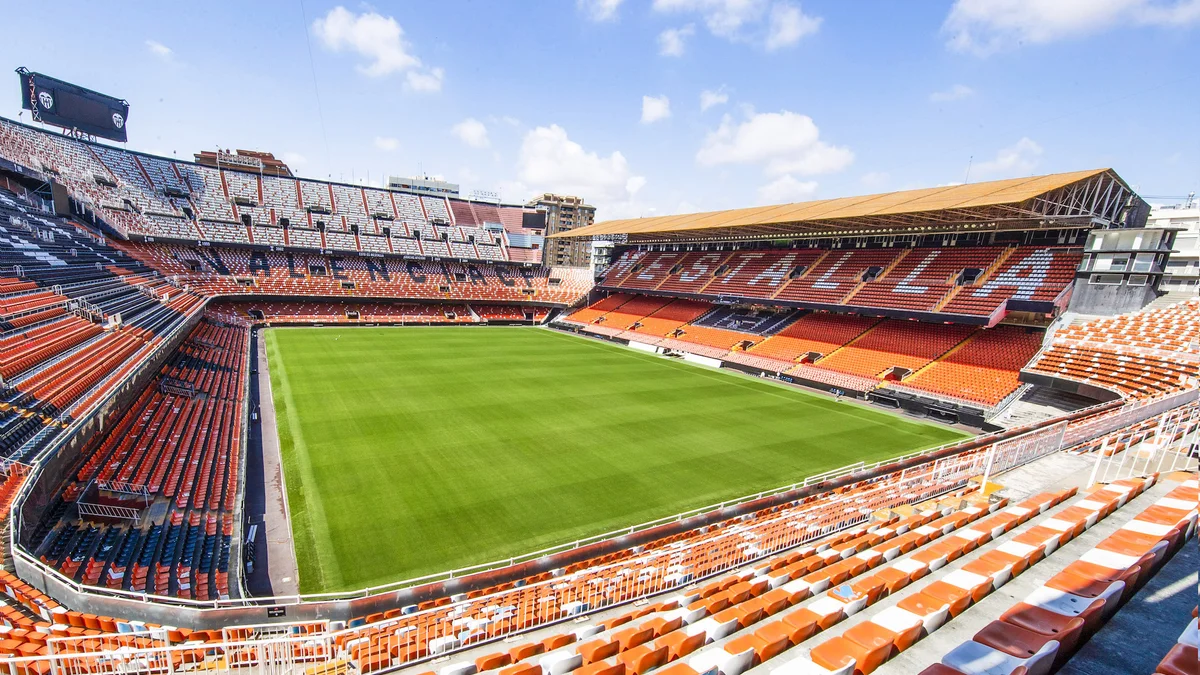
Valencia carry the pride of a great Mediterranean city into every match at Mestalla. The bat on the crest, the steep stands, and the noise of one of the most passionate crowds in Spain all form part of a story that began in 1919. The club have won six LaLiga titles, reached two Champions League finals, and produced a stream of world-class talent through the academy.
This guide covers the full arc of Valencia history, from the foundation and the move to Mestalla to the golden era of the early 2000s. It explains the stadium, the trophy record, the legends who shaped the identity, and the state of play in the 2026-27 season.
Valencia History: Foundation and the Move to Mestalla
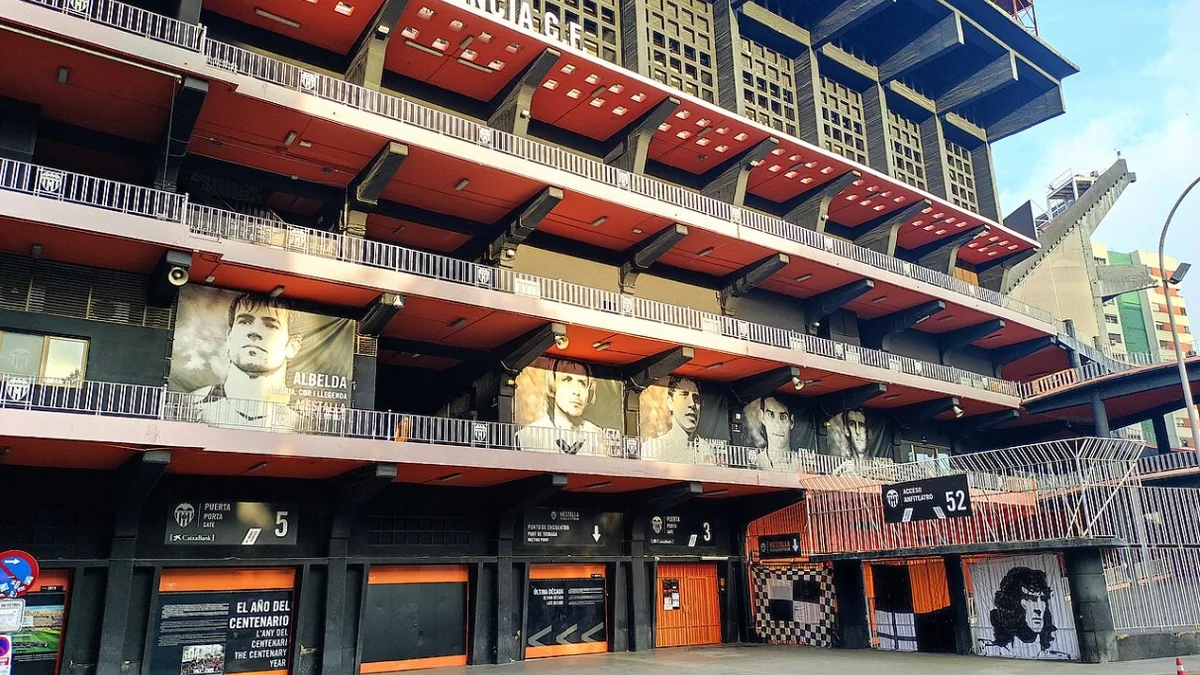
Valencia were established on 5 March 1919 and officially approved on 18 March 1919, with Octavio Augusto Milego Diaz as the first president. The club played the first matches at the Algiros ground. In 1923, Valencia moved into the Mestalla Stadium, which has served as home ever since.
Early progress stopped with the Spanish Civil War. When football resumed, Valencia won the Copa del Rey in 1941 by beating Espanyol in the final. The first LaLiga title followed in the 1941-42 season. The club won the league again in 1943-44 and 1946-47, then added a second Copa del Rey in 1949. The 1940s remain the foundation of the club reputation as a national power.
European Breakthrough and the Kempes Era
The 1960s brought the first European success. Valencia won the Inter-Cities Fairs Cup in 1962 by beating Barcelona in the final, then kept the trophy in 1963 by beating Dinamo Zagreb. The club reached a third straight final the next year but lost to Real Zaragoza.
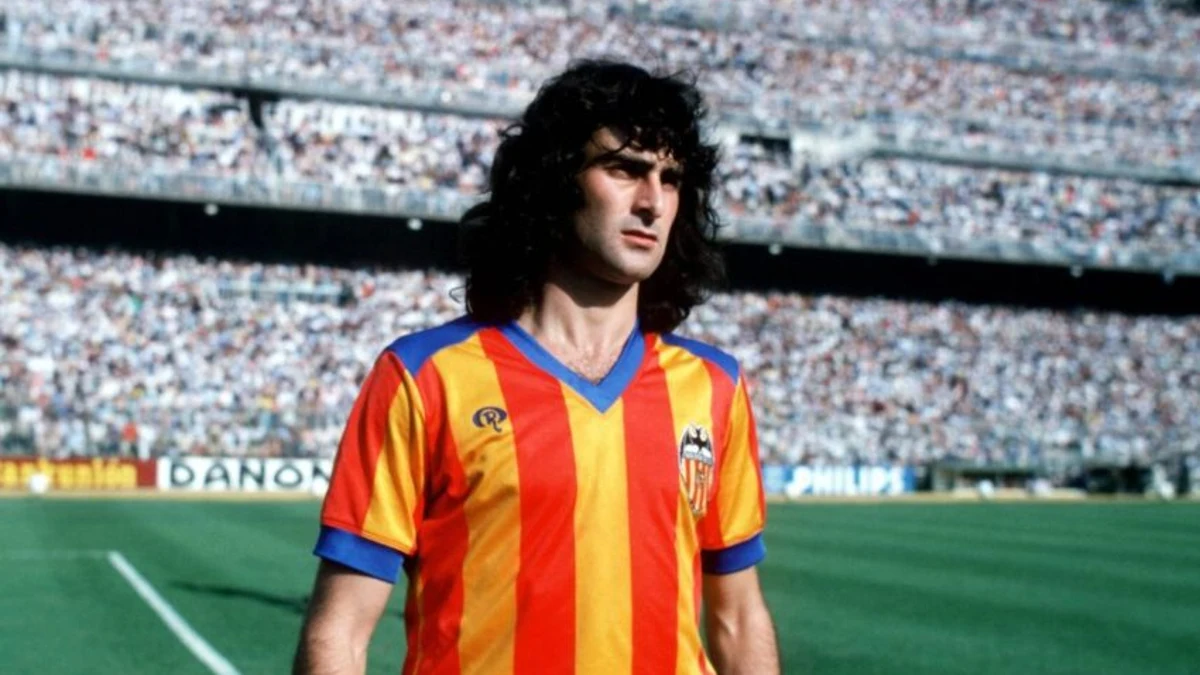
In 1970, Alfredo Di Stefano took charge as coach and led the club to a fourth LaLiga title in 1971, the first since 1947. The late 1970s belonged to Mario Kempes, who finished as the top scorer in LaLiga in 1976-77 and 1977-78. With Kempes leading the attack, Valencia won the Copa del Rey in 1979, then the Cup Winners Cup in 1980 by beating Arsenal in the final, followed by the European Super Cup against Nottingham Forest.
Relegation, Recovery, and the Golden Era
The mid-1980s brought the lowest point in club history. Valencia were relegated at the end of the 1985-86 season after 55 years in the top flight. Di Stefano returned as coach and led the club back to LaLiga in 1987. The 1990s brought recovery, a Copa del Rey win in 1999, and qualification for the Champions League.
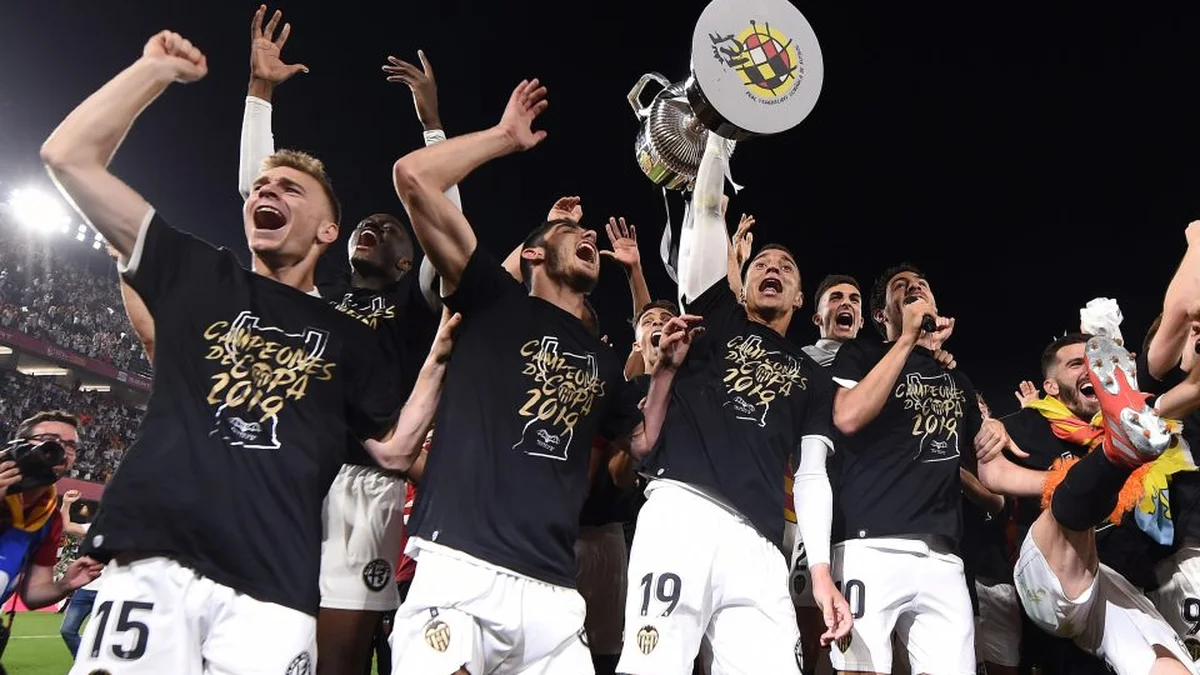
The early 2000s rank as the greatest era in club history. Valencia reached Champions League finals in 2000 and 2001, losing to Real Madrid in Paris and to Bayern Munich on penalties in Milan. The league titles followed in 2002 and 2004. In 2004, the club completed a league and UEFA Cup double and added the UEFA Super Cup. The most recent major trophy came in 2019, when Valencia won the Copa del Rey by beating Barcelona in the final.
Mestalla Stadium
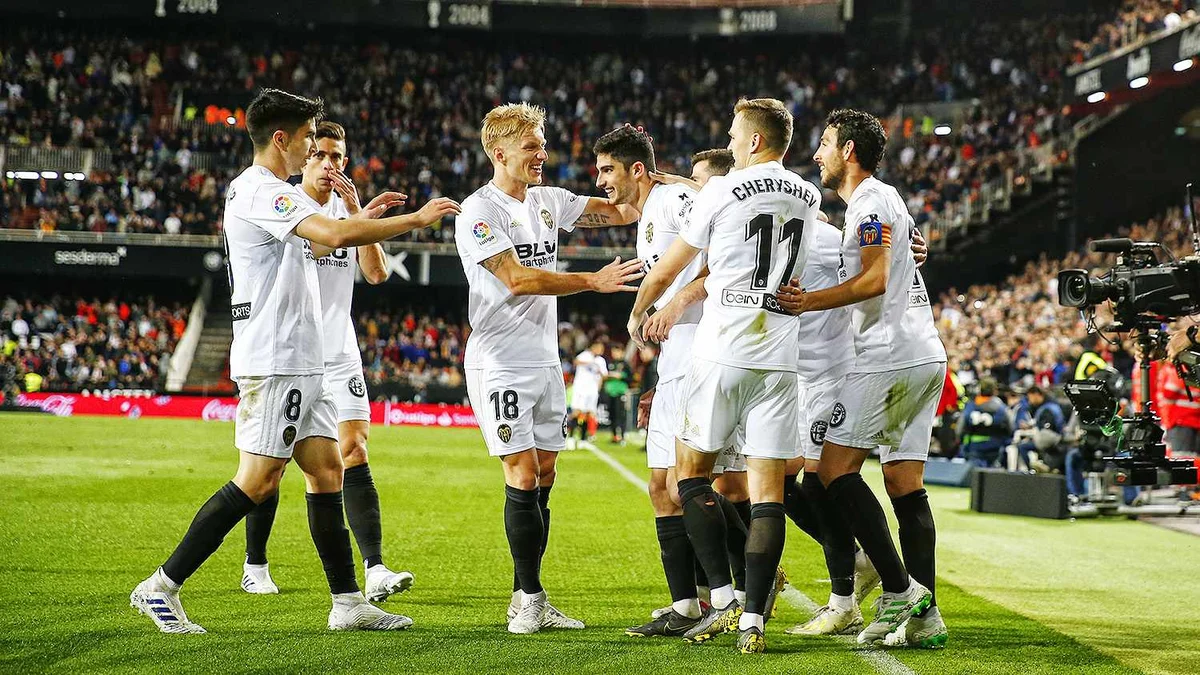
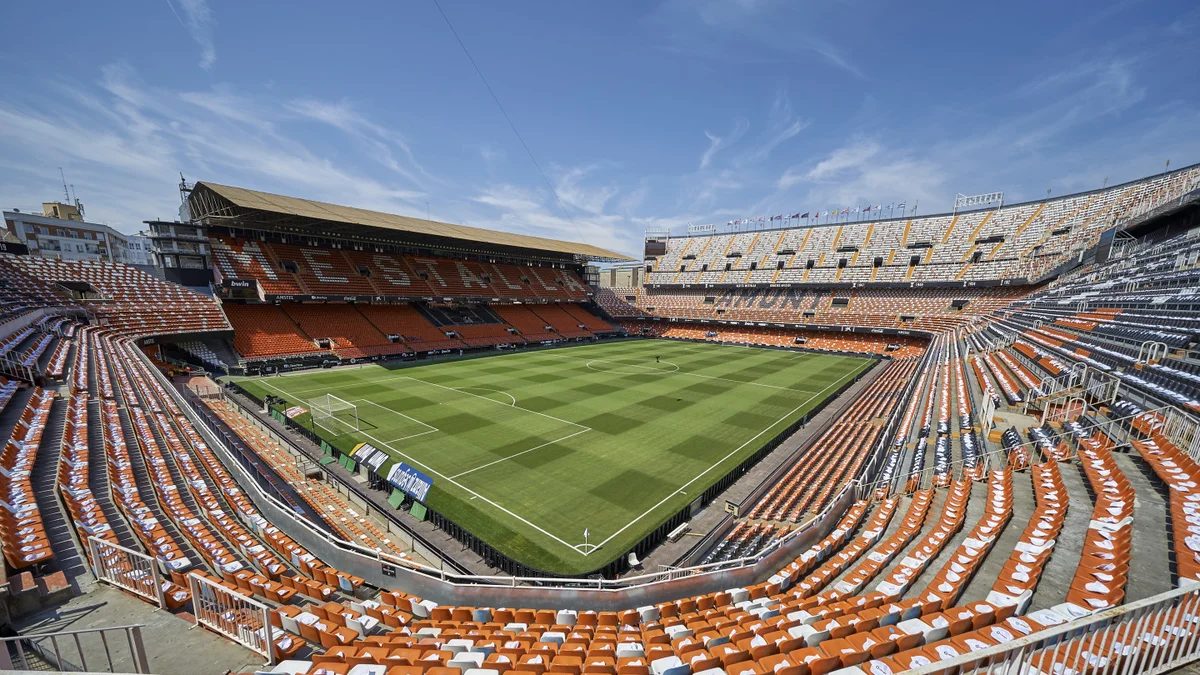
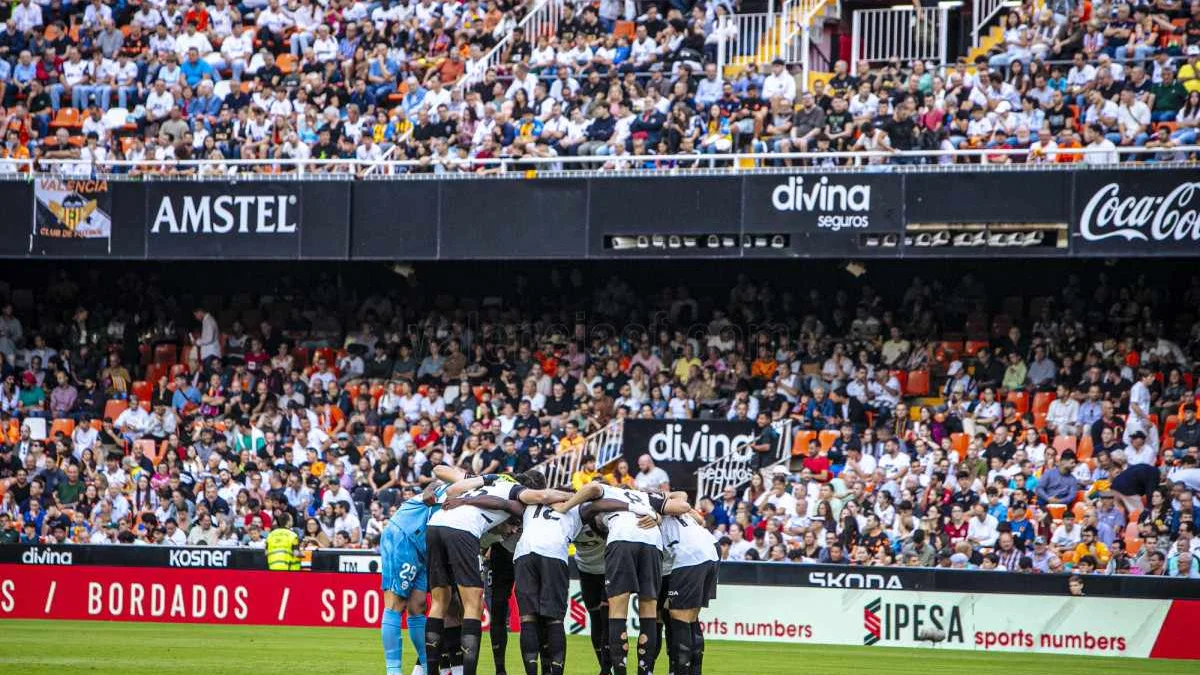
Valencia play home matches at Mestalla, which holds 49,430 spectators. The stadium opened in 1923 and ranks as one of the oldest grounds in Spanish football. The steep stands keep the fans close to the pitch, and the atmosphere on big nights remains famous across Europe. The official club homepage lists Mestalla as the venue for home fixtures in the 2026-27 season, including the home match against Villarreal.
The club expect to move to the new Nou Mestalla in 2027, with a planned capacity of 70,044 spectators.
Trophies and Records
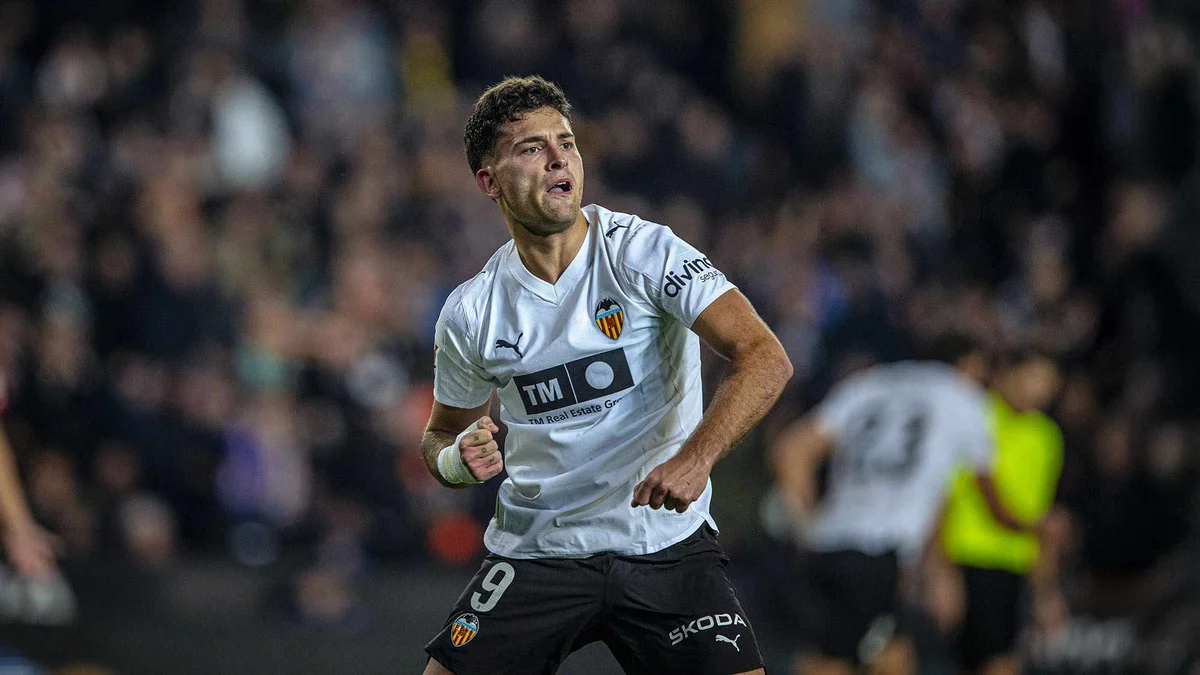
Valencia rank among the most decorated clubs in Spanish football. The club have won six LaLiga titles, eight Copa del Rey trophies, and a full set of European honours, including the UEFA Cup, the Cup Winners Cup, and two UEFA Super Cups. The domestic and European totals below cover the major honours in club history.
| Category | Detail |
|---|---|
| Founded | 18 March 1919, officially approved |
| Stadium | Mestalla, Valencia |
| Capacity | 49,430 |
| LaLiga titles | 6, most recent in 2003-04 |
| Copa del Rey | 8, most recent in 2019 |
| UEFA Cup | 1, in 2004 |
| European Cup Winners Cup | 1, in 1980 |
| UEFA Super Cup | 2 |
| Inter-Cities Fairs Cup | 2, in 1962 and 1963 |
| Spanish Super Cup | 1 |
| Head coach, 2026-27 | Javier Aguirre, from 23 September 2026 |
| 2025-26 LaLiga finish | 9th |
Legendary Players
Mario Kempes leads the list of Valencia legends. The Argentine forward won two Pichichi Trophies as the top scorer in LaLiga and drove the cup and European success of the late 1970s. Antonio Puchades starred in the 1940s and 1950s, while Dutch forward Faas Wilkes thrilled the Mestalla crowd in the same era.
The modern era produced its own icons. Gaizka Mendieta, David Albelda, Ruben Baraja, Santiago Canizares, and Pablo Aimar formed the core of the golden era. David Villa, David Silva, and Juan Mata all came through the academy or the early first team and went on to win the World Cup with Spain in 2010. The academy, known as the Academia, remains one of the most productive in Spanish football.
The 2026-27 Season
Valencia entered 2026-27 in a fight for survival. The club finished ninth in LaLiga in 2025-26, then made a poor start to the new season. Carlos Corberan was dismissed on 13 September 2026, with Oscar Sanchez taking temporary charge. On 23 September 2026, Javier Aguirre signed a contract to the end of the season, with an option for a second year. At the time of the appointment, Valencia sat 19th in LaLiga with four points from the opening seven matches.
Aguirre arrived with vast experience, including 468 LaLiga matches as a manager and spells with Osasuna, Atletico Madrid, Real Zaragoza, Espanyol, Leganes, and Mallorca. The home draw with Athletic Bilbao in his first home match showed early signs of a more solid team.
Why Valencia Matters
Valencia matter because the club represent a city and a region with a distinct identity. The bat on the crest comes from the history of the city, and the Mestalla crowd give the club an atmosphere that visiting teams respect across Europe. The club have played in 91 of the 95 seasons of the Spanish top division, a record of consistency that few clubs can match.
The academy matters just as much. Graduates include Raul Albiol, David Silva, Isco, Jordi Alba, Jose Gaya, Carlos Soler, Ferran Torres, and Lee Kang-in. When Valencia develop talent, Spanish football as a whole grows stronger.
Conclusion
From the foundation in 1919 to the golden era of the early 2000s, Valencia built a history based on passion, youth, and big nights at Mestalla. The club have won league titles, cups, and European trophies, and the academy keeps producing stars. In 2026-27, the fight is for survival first, but the history of Valencia shows that the club always find a way back.
When was Valencia founded?
Valencia was established on 5 March 1919 and officially approved on 18 March 1919. Octavio Augusto Milego Diaz served as the first president.
How many LaLiga titles has Valencia won?
Valencia has won six LaLiga titles, in 1942, 1944, 1947, 1971, 2002, and 2004. The club has also won eight Copa del Rey trophies.
Has Valencia ever won the Champions League?
No. Valencia reached consecutive Champions League finals in 2000 and 2001 but lost both, to Real Madrid and to Bayern Munich. The club won the UEFA Cup in 2004 as part of a league and cup double.
Who manages Valencia in the 2026-27 season?
Javier Aguirre manages Valencia in the 2026-27 season. He signed on 23 September 2026 after Carlos Corberan was dismissed, with Oscar Sanchez serving as caretaker in between.