Atletico Madrid: History, Stadium, Trophies, Legends and 2026-27 Guide
Atletico Madrid stand for fight, discipline, and loyalty. The red and white stripes, the roar of the Metropolitano, and a reputation for upsetting richer rivals all form part of a story that began in 1903. While the two giants of Spanish football collect most of the headlines, Atletico have built a history based on resilience, defensive steel, and famous nights in Europe.
This guide covers the full arc of Atletico Madrid history, from the foundation as a branch of Athletic Bilbao to the Simeone era and the modern Metropolitano. It explains the stadium, the trophy record, the legends who shaped the identity, and the state of play in the 2026-27 season.
Atletico Madrid History: Foundation and the Red and White Stripes
On 26 April 1903, three Basque students living in Madrid founded Athletic Club Sucursal de Madrid as a youth branch of Athletic Bilbao. The club soon built a separate identity. The team first played in blue and white, then adopted red and white striped shirts in 1911, with blue shorts. The nickname Colchoneros, or Mattress Makers, came from the striped cloth, which matched the ticking used for mattresses at the time.
In 1921, the club became independent of Athletic Bilbao and moved into the Estadio Metropolitano de Madrid. The club merged with Aviacion Nacional in 1939, and in 1946 the club settled on the current name of Club Atletico de Madrid. The first league titles followed quickly, with back-to-back LaLiga crowns in 1940 and 1941 under manager Ricardo Zamora.
Golden Age, Double, and Relegation
The 1950s and 1960s brought sustained success. Under Helenio Herrera, Atletico won LaLiga again in 1950 and 1951. The club won the European Cup Winners Cup in 1962 by beating Fiorentina, a trophy that Real Madrid have never won. League titles followed in 1966, 1970, 1973, and 1977, with Luis Aragones, Adelardo, and Jose Eulogio Garate leading the team.
The high point of the 1990s came in the 1995-96 season, when Radomir Antic led the club to the LaLiga and Copa del Rey double. Diego Simeone played in that team, alongside Kiko and Jose Luis Caminero. The fall came soon after. In 2000, Atletico were relegated to the second division. Luis Aragones returned as manager and led the club back to the top flight in 2002, giving Fernando Torres a LaLiga debut along the way.
European Revival and the Simeone Revolution
The European revival began in 2010, when Atletico won the Europa League by beating Fulham in the final, with Diego Forlan scoring twice. Sergio Aguero and Forlan formed a feared strike partnership, and the club added a second Europa League title in 2012 by beating Athletic Bilbao 3-0 in the final, with two goals from Radamel Falcao.
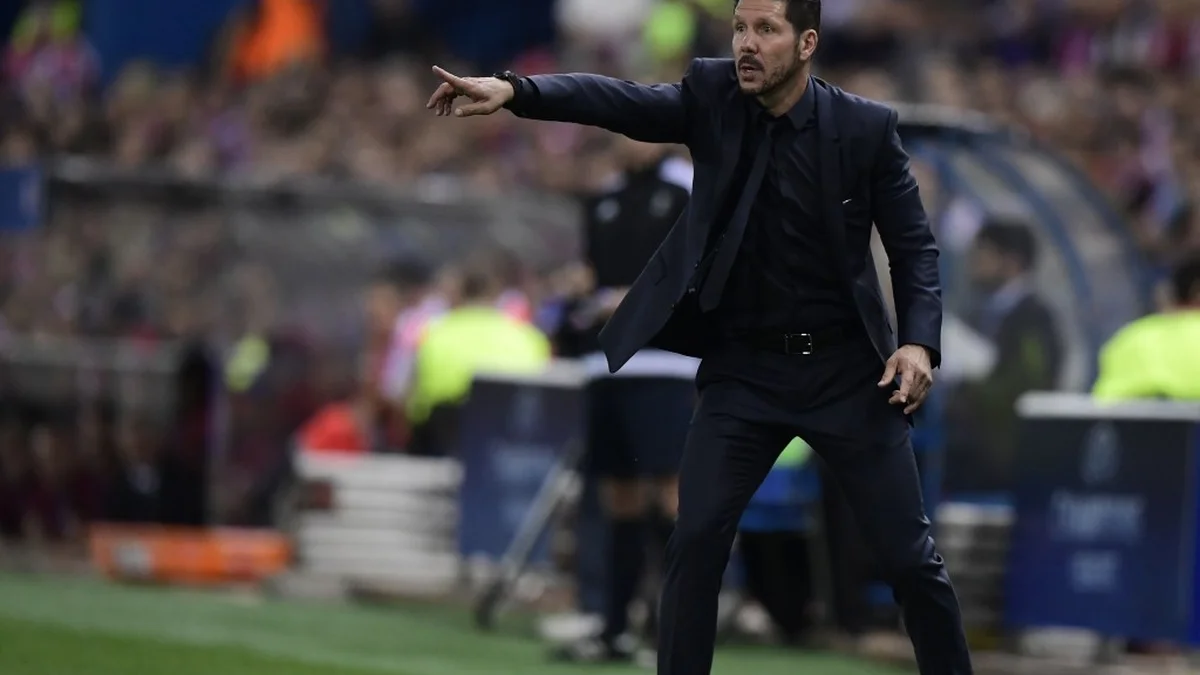
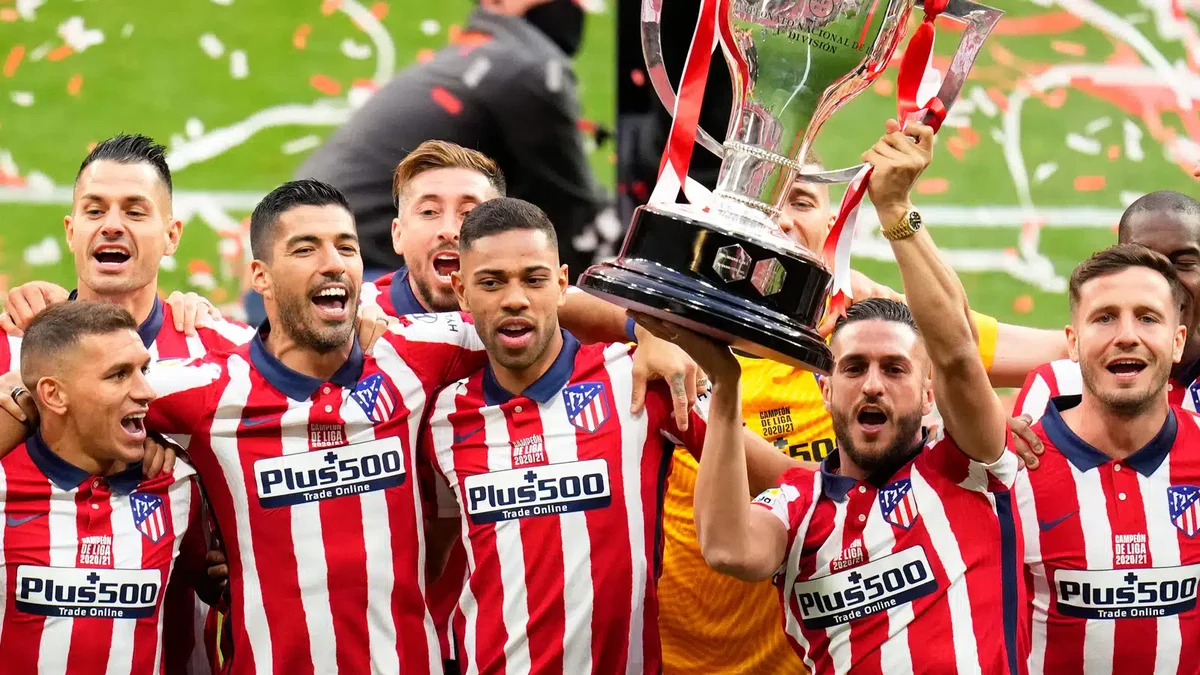
On 23 December 2011, Atletico appointed former player Diego Simeone as manager. The team sat tenth in LaLiga at the time. Simeone built a side on defensive discipline, intensity, and counter-attacking power. A 1-1 draw at Camp Nou against Barcelona in May 2014 secured the LaLiga title, the first since 1996. The club reached Champions League finals in 2014 and 2016, losing both to Real Madrid, and won a third Europa League title in 2018 by beating Marseille 3-0. Luis Suarez then played a central role in a second Simeone-era league title in 2021.
Riyadh Air Metropolitano
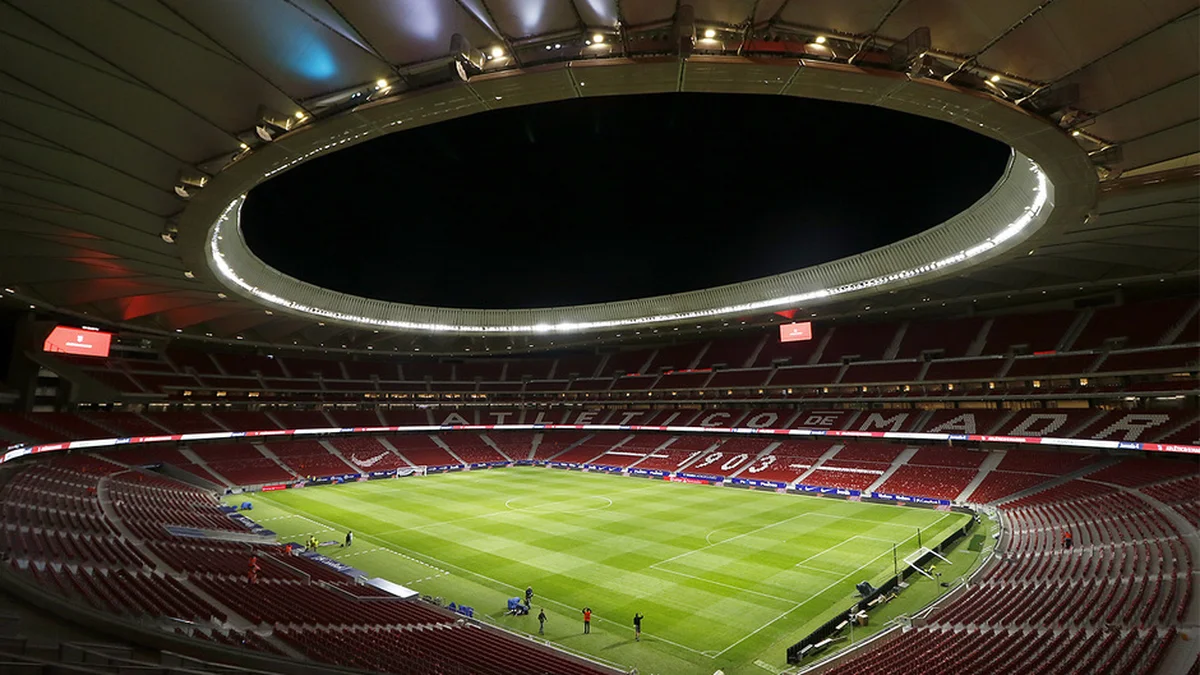
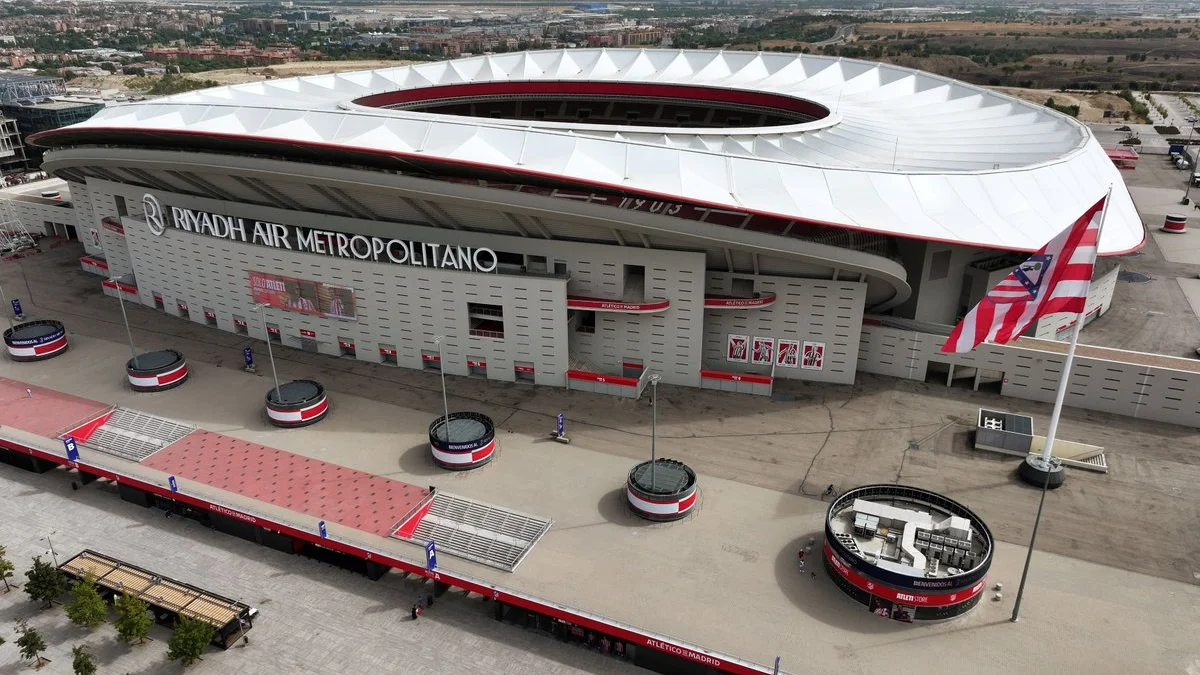
Atletico play home matches at the Riyadh Air Metropolitano, which holds 70,813 spectators. The club played the last home match at the Vicente Calderon Stadium on 21 May 2017 and then moved to the rebuilt Metropolitano in the east of Madrid. The official club anniversary page describes the ground as an iconic home and one of the finest stadiums in Europe.
The stadium hosted the Champions League final in 2019 and will host the final again in 2027. The move gave the club a modern home with room to grow, while the atmosphere kept the intensity that made the old Calderon famous across Europe.
Trophies and Records
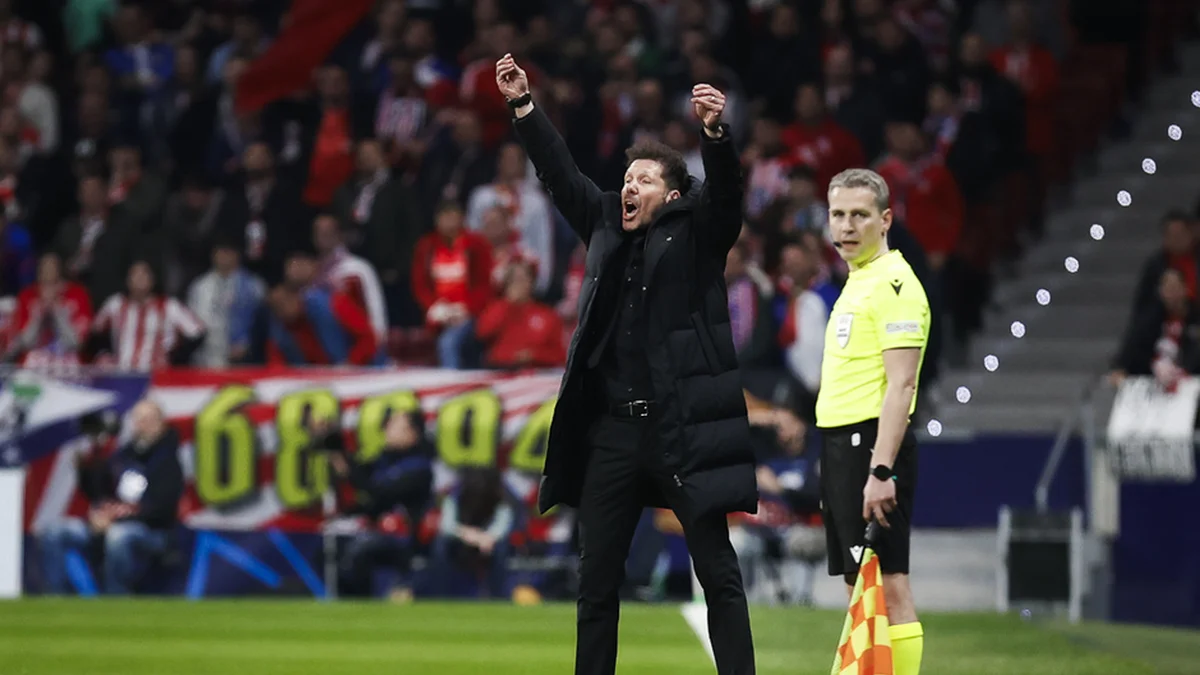
Atletico rank third among Spanish clubs for LaLiga titles and hold a strong European record. The club have won the Europa League three times, the UEFA Super Cup three times, and the Cup Winners Cup once. The domestic and European totals below cover the major honours in club history.
| Category | Detail |
|---|---|
| Founded | 26 April 1903, as Athletic Club Sucursal de Madrid |
| Stadium | Riyadh Air Metropolitano, Madrid |
| Capacity | 70,813 |
| LaLiga titles | 11 |
| Copa del Rey | 10 |
| UEFA Europa League | 3, in 2010, 2012, and 2018 |
| UEFA Super Cup | 3 |
| European Cup Winners Cup | 1, in 1962 |
| Intercontinental Cup | 1, in 1974 |
| Spanish Super Cup | 2 |
| Head coach, 2026-27 | Diego Simeone |
| 2025-26 LaLiga finish | 4th |
Legendary Players
Luis Aragones stands as the defining figure of Atletico history. He played for the club, then coached the team in four spells and became the most successful manager in club history. Adelardo served the club for years in midfield, while Jose Eulogio Garate won the Pichichi Trophy three times as the top scorer in LaLiga.
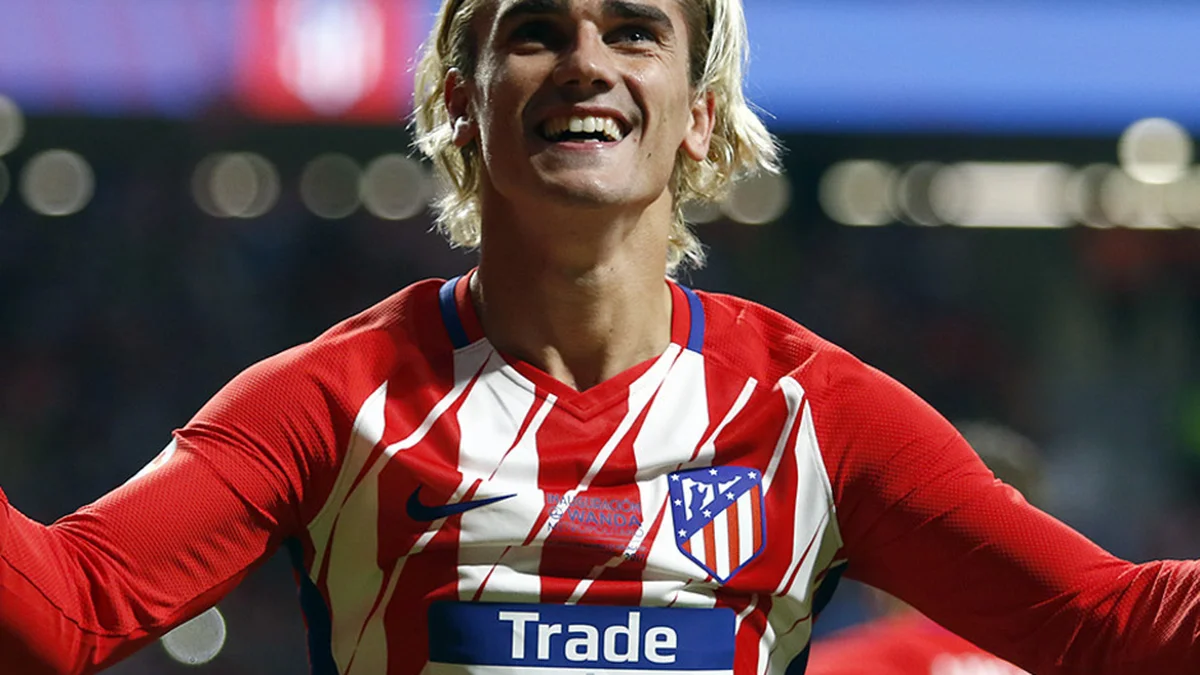
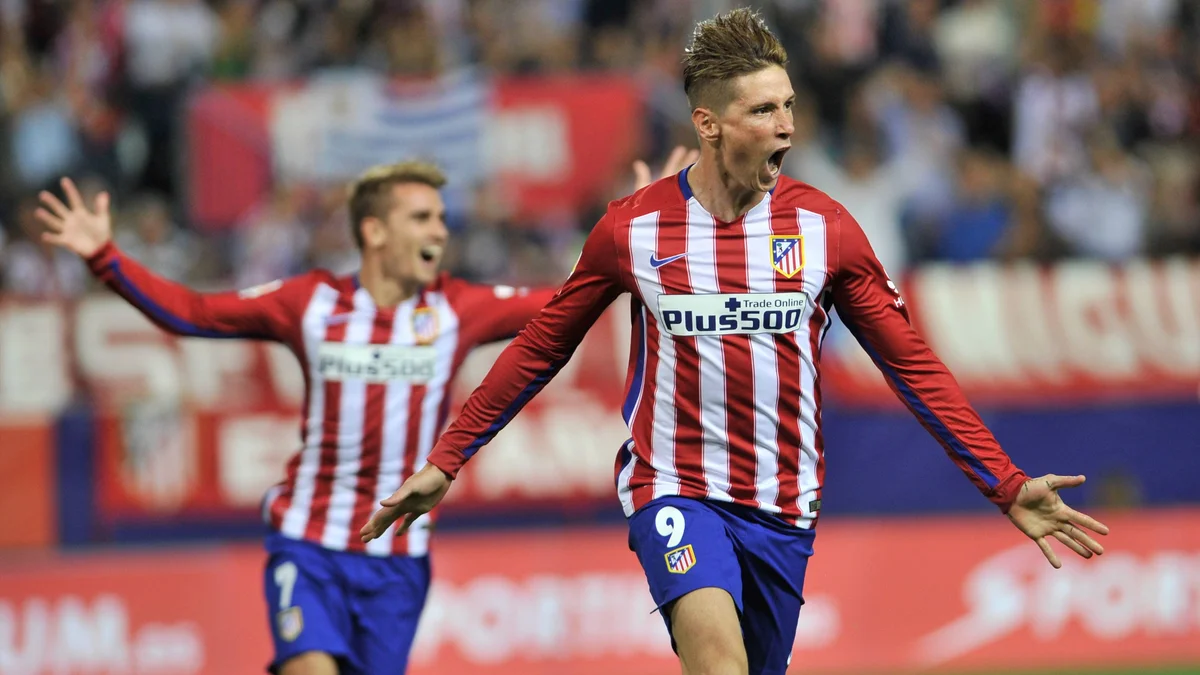
Fernando Torres came through the academy, became the youngest captain in club history at 19, and returned later in his career. Diego Forlan won the European Golden Shoe in 2009 with 32 goals. Antoine Griezmann became the record scorer in club history and starred in the 2018 Europa League triumph. Diego Godin anchored the defence through the Simeone peak.
The 2026-27 Season
Atletico entered 2026-27 under Diego Simeone, still the longest-serving coach at a top European club. The club finished fourth in LaLiga in 2025-26, a solid base but short of the title challenge the fans demand. The 2026-27 season offers a familiar target: close the gap on Barcelona and Real Madrid while competing hard in Europe.
The Simeone formula remains the same. A compact defence, a hard-working midfield, and fast transitions give Atletico a chance against any opponent.
Why Atletico Madrid Matters
Atletico matter because the club prove that identity can beat money. The club have reached three Champions League finals without winning the trophy, and the near misses only deepened the bond with the fans. The Madrid derby with Real Madrid remains one of the fiercest rivalries in Europe, and Atletico ended a 14-year winless run in the derby with a Copa del Rey final win in 2013.
Atletico broke the duopoly of Barcelona and Real Madrid with league titles in 2014 and 2021, and the academy continues to produce first-team players. The story of Atletico is the story of a club that refuses to accept second place as a final answer.
Conclusion
From a student branch club in 1903 to a European force in the modern era, Atletico Madrid built a history on fight and belief. The Metropolitano, the red and white stripes, and the Simeone era all form one story. In 2026-27, the club chase the next title with the same spirit that carried every great Atletico team before them.
Frequently Asked Questions
When was Atletico Madrid founded?
Atletico Madrid was founded on 26 April 1903 as Athletic Club Sucursal de Madrid, a branch of Athletic Bilbao. The club became independent in 1921 and took the current name in 1946.
How many LaLiga titles has Atletico Madrid won?
Atletico Madrid has won 11 LaLiga titles. The most recent titles came in 2014 and 2021 under Diego Simeone.
How many Europa League titles has Atletico Madrid won?
Atletico Madrid has won three Europa League titles, in 2010, 2012, and 2018. The club has also won three UEFA Super Cups and one Cup Winners Cup.
Who manages Atletico Madrid in the 2026-27 season?
Diego Simeone manages Atletico Madrid in the 2026-27 season. He took charge in December 2011 and has led the club to two LaLiga titles and three Europa League titles.