Malaga: History, Stadium, Trophies, Legends and 2026-27 Guide
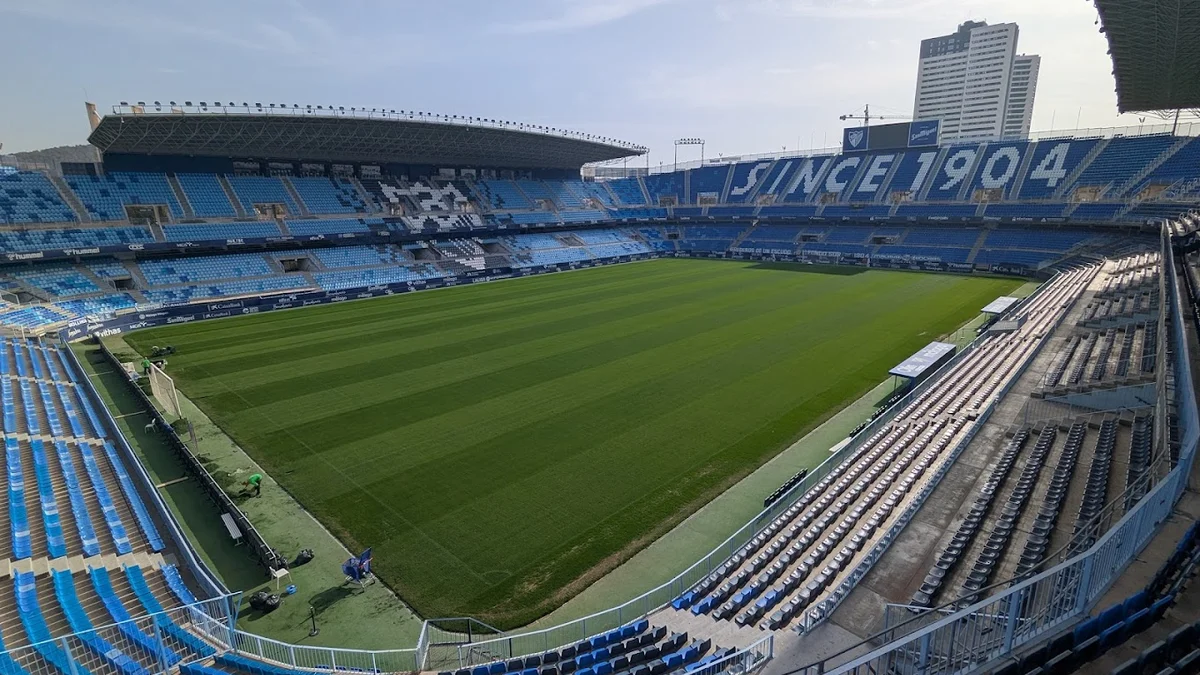
Malaga CF carry the pride of the Costa del Sol into every season. The club from Andalusia has lived through a Champions League quarter-final, a financial crisis, a fall to the third tier and a long climb back. Few clubs in Spain have seen such highs and such lows in a single generation, and that drama explains why Malaga remain one of the most followed clubs in the country.
This guide covers Malaga history from the 1948 foundation to the 2026-27 season. It explains the stadium, the trophies, the legends and the reasons why this club matters far beyond the south coast of Spain.
Malaga History: From 1948 To The Champions League
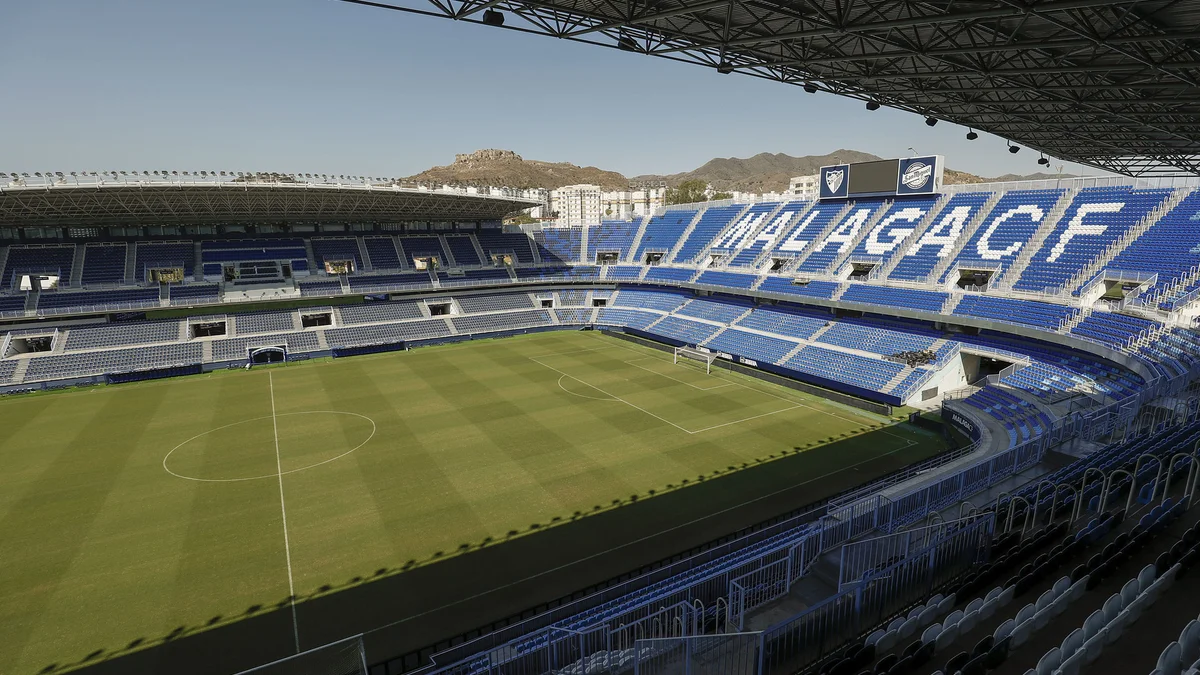
Malaga was founded on 25 May 1948 as Club Atletico Malagueno, originally the reserve team of CD Malaga. The club separated from the parent club and registered as an independent club, then survived after CD Malaga suspended operations. On 29 June 1994, the club changed its name to Malaga Club de Futbol, and the modern Malaga CF took shape. Football in the city reaches back further, to CD Malaga, founded in 1904, and Malaga CF carry that heritage with them.
The rise started in the late 1990s. Malaga won the Segunda Division title in 1998-99 and returned to the top flight. In 2002, the club won the UEFA Intertoto Cup, the only official European trophy in club history, and reached the UEFA Cup quarter-finals in the 2002-03 season. Malaga had arrived on the European stage.
The golden era came under coach Manuel Pellegrini. After heavy investment, Malaga finished fourth in LaLiga and reached the Champions League for the first time. In the 2012-13 season, Malaga topped a group with Milan, Zenit and Anderlecht without losing a match, then beat Porto in the round of 16 to reach the quarter-finals. Borussia Dortmund ended the run in Germany in a dramatic late finish, but Malaga had shown that a club from Andalusia could stand with the best teams in Europe.
The fall was steep. Financial trouble led to a court-appointed administrator in 2020, and in May 2023 Malaga dropped into the third tier for the first time since 1998. The rebuild was fast. Malaga won promotion from the Primera Federacion through the play-offs in 2024, then finished fourth in Segunda in 2025-26 and secured a return to LaLiga with a 2-1 away victory over Almeria in the second leg of the promotion play-offs. After eight years away, Malaga were back in the top flight.
Malaga Stadium: La Rosaleda
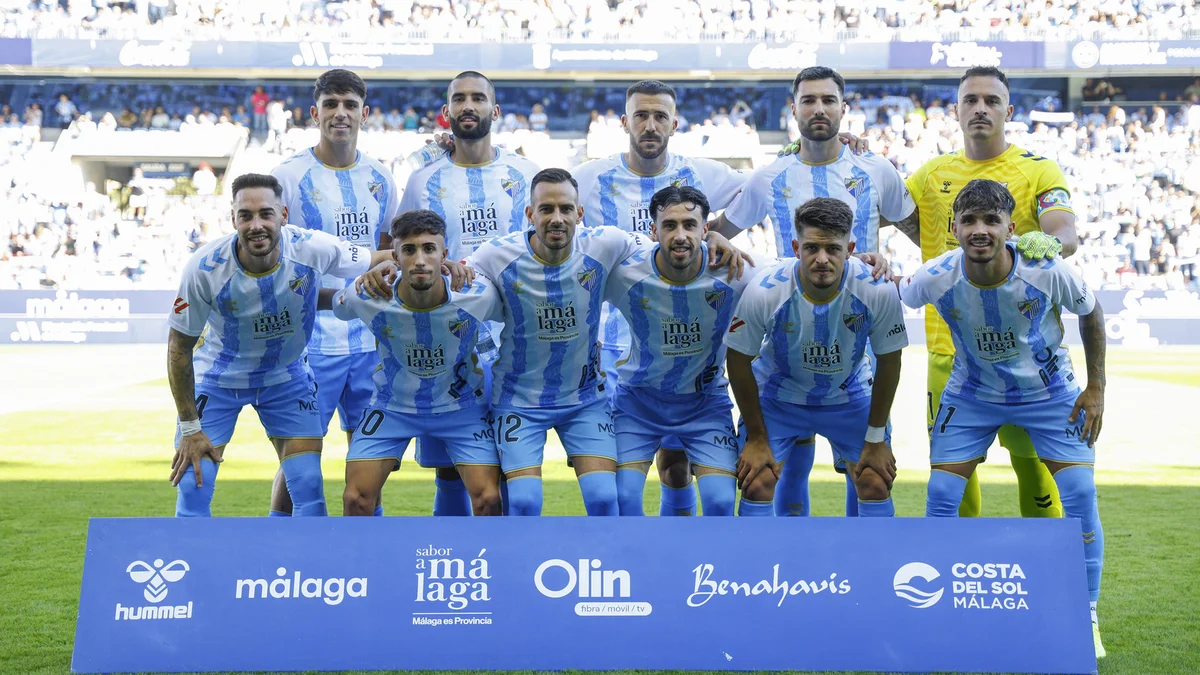
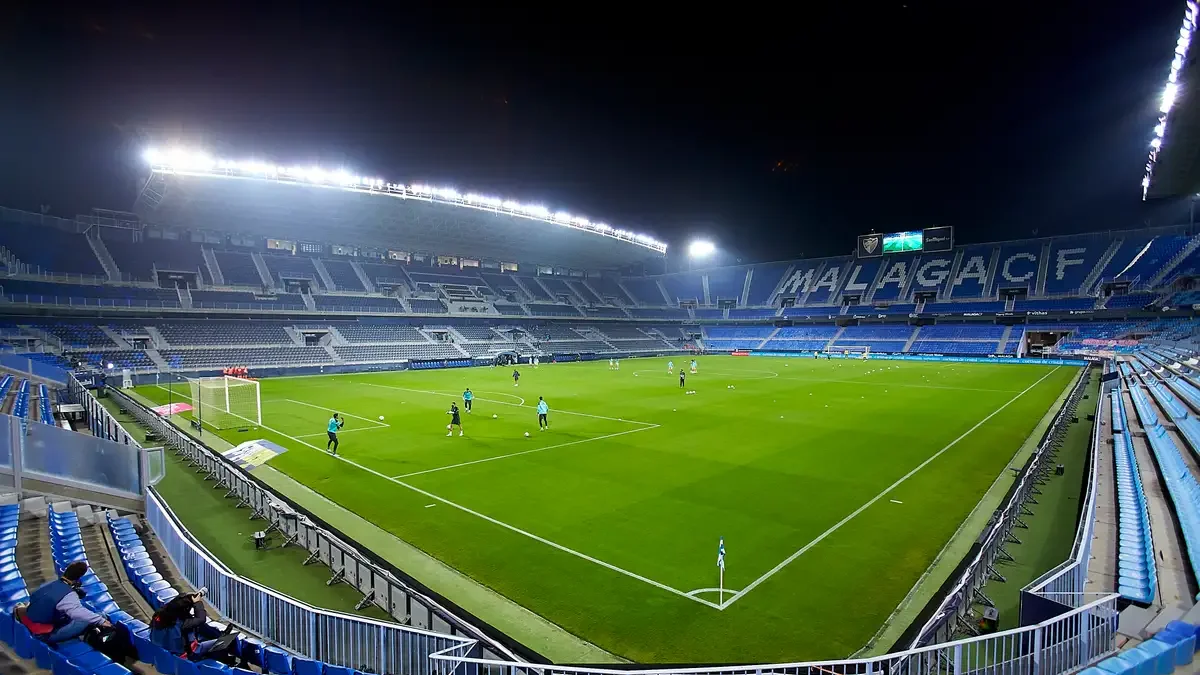
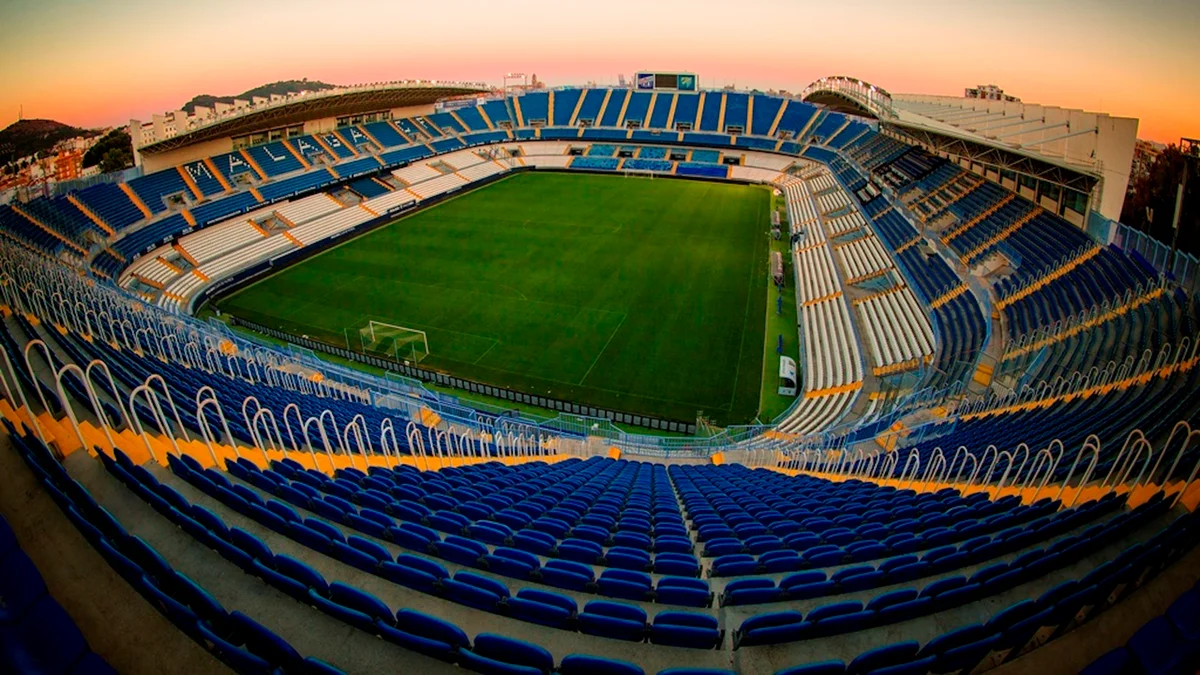
Malaga play home matches at La Rosaleda, in the city of Malaga. The stadium opened in 1941 and has a capacity of 30,044. La Rosaleda sits in the Martiricos area of the city and has hosted Spain internationals as well as the biggest nights in club history. The ground is known for a vibrant atmosphere, with the white and blue colours of the club filling the stands on matchdays.
La Rosaleda has been remodelled several times, with new stands, VIP areas and improved facilities. The stadium also hosts the Trofeo Costa del Sol, the summer tournament that Malaga have won ten times. For visiting fans, a match at La Rosaleda combines Mediterranean weather, a passionate crowd and a ground with more than eighty years of history.
The name La Rosaleda means The Rose Garden, and the ground has a history that stretches beyond Malaga CF itself. It was first used on 13 April 1941, when the old Banos del Carmen ground flooded, and it was officially inaugurated in September 1941 with a friendly between CD Malaga and Sevilla. La Rosaleda was one of the seventeen stadiums used at the 1982 World Cup, hosting three matches, including the 5-2 win of Scotland over New Zealand and a 2-2 draw between the Soviet Union and Scotland in front of 45,000 fans. The first European match staged at the ground came in 1976, when Real Madrid played Club Brugge there in the European Cup because of a UEFA sanction on the Bernabeu. The stadium has also hosted seven Spain internationals, and it is owned by the city council, the provincial council and the Junta de Andalucia, with the club as its operator.
Malaga Trophies And Records
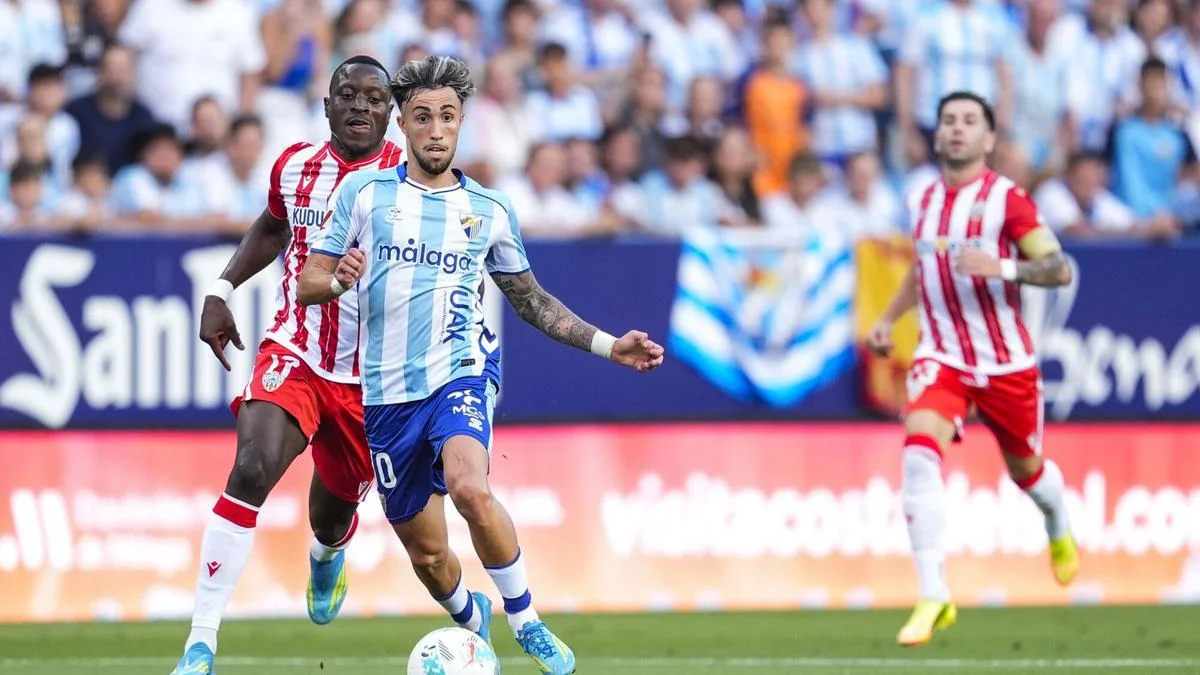
Malaga have never won LaLiga or the Copa del Rey. The trophy list is short, but the European record gives the club a special place in Spanish football. The Intertoto Cup in 2002 remains the only official European trophy, while the Champions League quarter-final in 2013 stands as the peak of the modern era.
| Key Fact | Detail |
|---|---|
| Founded | 25 May 1948, as Club Atletico Malagueno |
| Renamed Malaga CF | 29 June 1994 |
| City | Malaga, Andalusia |
| Stadium | La Rosaleda |
| Capacity | 30,044 |
| Nickname | Los Boquerones, The Anchovies |
| Segunda Division title | 1, in 1998-99 |
| UEFA Intertoto Cup | Winners, 2002 |
| UEFA Cup | Quarter-finals, 2002-03 |
| Champions League | Quarter-finals, 2012-13 |
| Manager in 2026-27 | Juan Francisco Funes |
Malaga Legendary Players
Isco is the brightest star Malaga have produced in the modern era. The playmaker joined Malaga from Valencia at the start of the 2011-12 season and became the driving force of the Champions League run. His curling strike against Porto in the round of 16 sent La Rosaleda into a frenzy, and his performances earned a move to Real Madrid.
Joaquin Sanchez brought experience and quality to the same team, scoring the opening goal against Borussia Dortmund in the quarter-final second leg. Duda served the club for years and scored in the Champions League play-off win over Panathinaikos. Willy Caballero produced a string of superb saves in the Dortmund tie and kept Malaga in the contest until the final minutes.
Santi Cazorla, Ruud van Nistelrooy, Martin Demichelis and Julio Baptista all wore the Malaga shirt during the investment era. Cazorla moved to Arsenal after one brilliant season, while Van Nistelrooy brought world-class pedigree to La Rosaleda. Together, that squad gave Malaga supporters memories that no relegation could erase.
Malaga In The 2026-27 Season
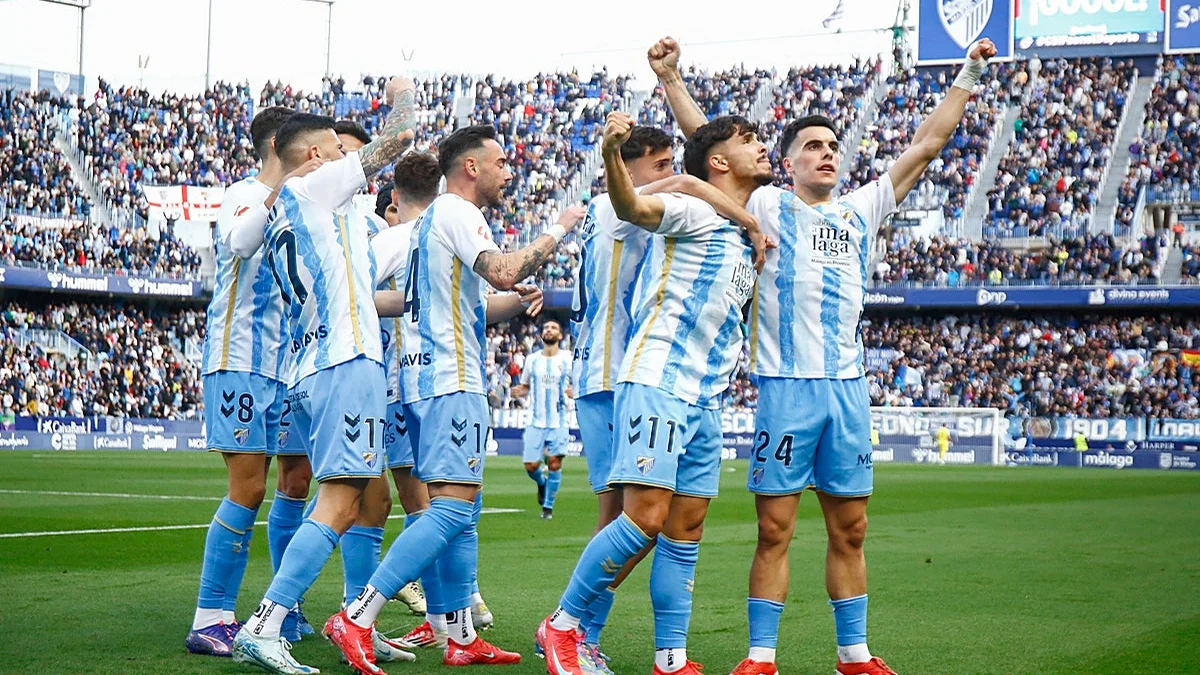
Malaga entered the 2026-27 season under head coach Juan Francisco Funes with survival as the clear target. The early weeks showed how hard the step up would be. Malaga drew 1-1 at home to Espanyol in October, then lost 5-2 at home to Real Sociedad. The attack showed promise, with Adrian Nino scoring twice in the early rounds and Chupete and David Larrubia providing danger in attack.
The challenge for Funes was to make La Rosaleda a fortress again. Malaga conceded 13 goals in the early rounds, and the defence needed to improve fast if the club wanted to stay clear of the relegation places. The fixtures ahead included a trip to Alaves and a home match against Racing Santander, two games that could shape the mood around the club for the rest of the autumn.
Why Malaga Matter In Spanish Football
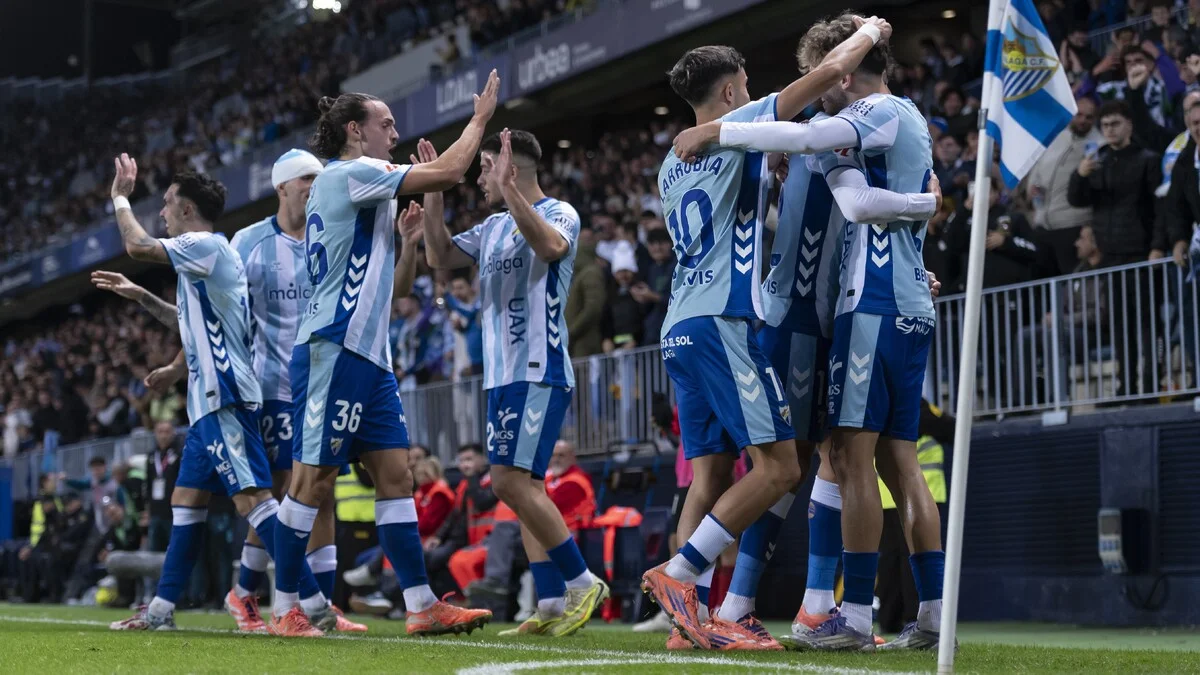
Malaga matter because the club represent Andalusia on the European stage. The Champions League nights at La Rosaleda in 2012-13 showed that Spanish football reaches far beyond Barcelona and Madrid. The club also matter because they survived a financial crisis that could have ended the story. The fall to the third tier, the rebuild and the return to LaLiga in 2026 show a club with deep roots in the city.
For neutral fans in Europe, Malaga offer sunshine, colour and drama. The Anchovies have a big following among British expats on the Costa del Sol, and La Rosaleda remains one of the most enjoyable away trips in LaLiga. When Malaga are strong, Spanish football feels richer.
Malaga in 2026-27: How Is the Season Going Under Juan Francisco Funes?
The 2026-27 campaign is the 123rd season in Malaga history, and the first of the club back in La Liga after eight years away. Promotion came through the Segunda Division play-offs, sealed by a 2-1 away win over Almeria in the second leg. The step up has been as hard as expected: after nine rounds Malaga sat at the bottom of the table in 20th place with four points, still looking for a first win, with four draws, five defeats, six goals scored and 18 conceded. Survival, not comfort, is the target for head coach Juan Francisco Funes, and the Copa del Rey begins in the first round.
The results show a team that competes but cannot yet finish the job. Malaga opened with a 2-0 defeat away to Atletico Madrid, then drew 1-1 at home with Deportivo La Coruna. A 4-0 defeat away to Real Madrid followed, in front of 74,799 fans, the biggest crowd of the La Liga season so far, before a goalless home draw with Levante and a 1-1 draw with Espanyol. Malaga also took a point from a 1-1 draw away to Celta Vigo, but lost 3-1 at home to Villarreal and 1-0 away to Getafe. Turning those draws at La Rosaleda into wins will decide whether the return lasts longer than one season.
The summer rebuild mixed free transfers with loans. Fernando Calero arrived on a free transfer from Espanyol to strengthen the defence, Pablo Martinez joined in August as the fifth signing of the club, and Juan Berrocal signed on 1 September. Five players came in on loan: Jens Cajuste from Napoli, Carlos Dotor from Celta Vigo, Juan Cruz from Leganes, Jose Salinas from Espanyol and Adam Aznou from Everton. It is a young, patched-together squad, and Funes has leaned on the players who won promotion, including captain Ramon Enriquez and the academy product David Larrubia.
Malaga Squad 2026-27: The Key Players to Know
Funes works with a squad built around the group that won promotion, topped up by three free transfers and five loan signings. Ramon Enriquez captains the side from midfield, with goalkeeper Alfonso Herrero as his vice-captain. These are the players the survival fight will turn on.
| Player | Position | Role in the team |
|---|---|---|
| Alfonso Herrero | Goalkeeper | First-choice keeper and the vice-captain of the team |
| Fernando Calero | Defender | Experienced centre-back signed on a free transfer from Espanyol |
| Jose Salinas | Defender | Full-back on loan from Espanyol until the end of the season |
| Jens Cajuste | Midfielder | Midfielder on loan from Napoli who adds power in the middle of the pitch |
| Ramon Enriquez | Midfielder | Club captain who leads the team from the centre of midfield |
| Pablo Martinez | Midfielder | Free-transfer signing in August who adds experience in midfield |
| David Larrubia | Midfielder | The No. 10, an academy product who scored 12 goals in the promotion season |
| Chupete | Forward | The No. 9 who leads the line |
| Adrian Nino | Forward | Young striker who gives the attack pace and movement |
Behind them, the squad leans on defenders Einar Galilea, Alex Pastor, Carlos Puga and Diego Murillo, midfielders Carlos Dotor, Dani Lorenzo and Izan Merino, and wide players Haitam Abaida and Joaquin Munoz. Youngsters such as Aaron Ochoa and Rafita also hold first-team squad numbers, a sign of how heavily the club now relies on its own production line, while the five loanees are due back at their parent clubs next summer.
The Eastern Andalusia Derby: Malaga vs Granada Explained
The main rivalry of Malaga is with Granada CF, in the fixture known as the Derby of eastern Andalusia, the Derbi Andaluz. The two cities sit around 90 kilometres apart, and the clubs first met in official competition on 10 December 1933, when Recreativo de Granada beat CD Malacitano 3-1 in the Tercera Division. The derby has since been played 92 times in official competitions: Granada lead with 34 wins to the 30 of Malaga, with 28 draws.
In La Liga, the fixture could hardly be tighter. The clubs have met 24 times in the top flight, with eight wins each and eight draws, although Malaga lead the goals count by 29 to 22. The biggest win in derby history is the 5-0 home victory of Malaga on 20 February 1949, and the top scorer of the derby is Youssef El Arabi of Granada, with six goals. The Pellegrini era produced two 4-0 home league wins over Granada, in September 2011, when Santi Cazorla and Joaquin scored twice each, and again in December 2012.
The most recent meetings came in the Segunda Division in 2025-26. Chupete scored twice in a 2-2 draw at La Rosaleda in September 2025, and David Larrubia scored the only goal as Malaga won 1-0 at Los Carmenes in February 2026. With Granada still in the second tier, there is no league derby in 2026-27, so the Andalusian bragging rights of Malaga this season rest on their meetings with Sevilla and Real Betis instead.
Malaga Records: European Runs, Club Records and Recent Finishes
The honours list of Malaga is short but distinctive. The only official trophy of the club is the UEFA Intertoto Cup, won in 2002 after beating Gent, Willem II and Villarreal in the final rounds, and the best league finish in Malaga history is fourth place in La Liga in 2011-12, which brought Champions League football to La Rosaleda for the first and only time. The club have also won the Segunda Division once, in 1998-99, and the Segunda Division B title in 1997-98, while the Trofeo Costa del Sol has been won ten times, most recently in 2026.
How far did Malaga go in the 2012-13 Champions League?
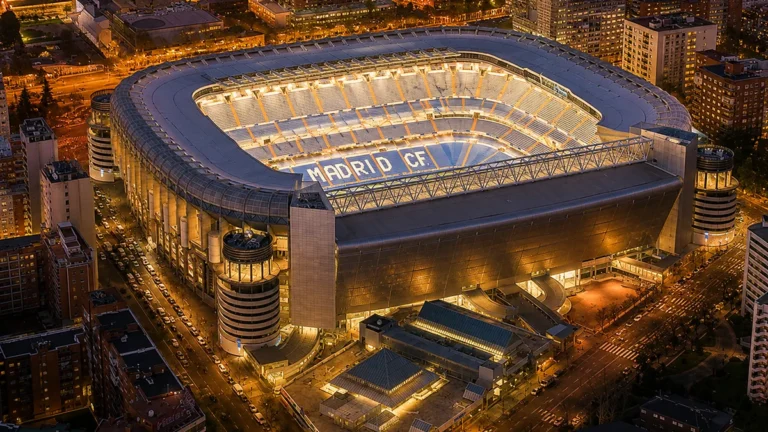
The only Champions League campaign of Malaga remains the high point of the modern era. After beating Panathinaikos 2-0 on aggregate in the play-off round, the team of Pellegrini topped a group containing Milan, Zenit St Petersburg and Anderlecht without losing a match. In the round of 16 they lost 1-0 away to Porto, then won the return leg 2-0 at La Rosaleda to reach the quarter-finals. The run ended against Borussia Dortmund: a goalless first leg at home, then a 3-2 defeat in Germany, where Malaga led late on before Marco Reus and Felipe Santana scored in stoppage time.
Other club records stand out from the years either side of that run. Under Juande Ramos, Malaga beat Barcelona 5-1 at La Rosaleda, still the biggest victory of the club against the Catalan side, with a hat-trick from Salva Ballesta. The 2002-03 UEFA Cup run included a 2-1 win over Leeds United at Elland Road, with two goals from Julio Dely Valdes, before a quarter-final defeat to Boavista on penalties. Santi Cazorla remains the most expensive signing in Malaga history, joining from Villarreal for 21 million euros in 2011, and in 2010-11 the team set a club record with five consecutive La Liga wins on the way to an 11th-place finish.
Two other moments bookend the modern story. In 2007-08, Malaga began the Segunda Division season with seven straight wins and still needed a victory on the final day: two goals from Antonio Hidalgo beat Tenerife 2-1 at La Rosaleda and secured promotion as runners-up. The cost of the Champions League era then arrived quickly. UEFA banned Malaga from European competition over unpaid debts, a ban reduced to a single season, which kept the club out of the 2013-14 Europa League, and that summer Isco left for Real Madrid, Joaquin for Fiorentina and Toulalan for Monaco as Bernd Schuster replaced Pellegrini.
What were the finishes of Malaga in the last five seasons?
The last five seasons trace the full arc of the comeback: relegation to the third tier, promotion play-offs and the return to La Liga.
| Season | Finish | Season highlight |
|---|---|---|
| 2021-22 | 18th in Segunda Division | Kept their place in the second tier with 45 points |
| 2022-23 | 20th in Segunda Division | Relegated to the third tier for the first time since 1998 |
| 2023-24 | 3rd in Primera Federacion | Promoted through the play-offs, beating Gimnastic 4-3 on aggregate |
| 2024-25 | 16th in Segunda Division | Kept their place in the second tier with 53 points |
| 2025-26 | 4th in Segunda Division | Promoted to La Liga through the play-offs |
Atletico Malagueno and the Malaga Academy: Producing the Next Generation
Malaga CF itself began life as a reserve team in 1948, and developing its own players still shapes the club. The reserve side today is Atletico Malagueno, founded in 1990 as Sociedad Deportiva Malaguena. It became Malaga B in 1995, a year after the senior club took the Malaga CF name, and it has played as Atletico Malagueno since 2009.
The B team followed the first team up the divisions once before: promoted to the Segunda Division in 2003, it spent three seasons in the second tier, a remarkable level for a reserve side. The reserves now play in Tercera Federacion Group 9, the fifth tier, after relegation from Segunda Federacion in 2025-26. The side is coached by Francisco Bravo, and former Malaga striker Julio Dely Valdes is among the coaches who have led it.
The pathway works. David Larrubia joined the youth set-up of Malaga in 2012, made his senior debut with the reserves in September 2019 and his first-team debut a year later. After a loan spell at Merida, he helped Malaga climb back through the divisions, scored 12 goals in the 2025-26 promotion season and now wears the No. 10 shirt on a contract running to 2028, with more than 120 league appearances for the club already behind him.
Conclusion
Malaga history is a story of European nights, financial collapse and a remarkable comeback. Founded in 1948, the club have won the Intertoto Cup, reached the Champions League quarter-finals and returned to LaLiga in 2026 after eight years away. The 2026-27 season brings another survival fight, but Malaga have already proved that they can rise from the lowest point.
When was Malaga founded?
Malaga was founded on 25 May 1948 as Club Atletico Malagueno. The club changed its name to Malaga Club de Futbol on 29 June 1994.
What stadium do Malaga play in and what is the capacity?
Malaga play at La Rosaleda, which opened in 1941 and has a capacity of 30,044 spectators.
Has Malaga ever won LaLiga?
No, Malaga have never won LaLiga. The best European achievement in club history is the Champions League quarter-final in the 2012-13 season.
What is the most famous European night in Malaga history?
The Champions League quarter-final against Borussia Dortmund in 2013 is the most famous European tie in Malaga history. Malaga won the first leg battle with a 0-0 draw at home, then led in Germany through Joaquin before Dortmund scored twice late to end the run.
When did Malaga return to La Liga?
Malaga returned to La Liga in 2026 after eight years away. They finished fourth in the Segunda Division in 2025-26 and beat Almeria 2-1 away in the second leg of the promotion play-offs to seal promotion.
Who is the main rival of Malaga?
The main rivals of Malaga are Granada CF, in the Derby of eastern Andalusia. The clubs have met 92 times in official competitions, with Granada winning 34 matches, Malaga 30 and 28 draws, and the La Liga meetings are level at eight wins each.



4 Comments