Espanyol: History, Stadium, Trophies, Legends and 2026-27 Guide
Espanyol live in the shadow of a giant, and the club wear that position with pride. The team from Barcelona share a city with one of the biggest clubs on the planet, yet Espanyol keep a distinct identity, a loyal fan base, and a trophy history of their own. The white and blue shirts, the RCDE Stadium, and the Barcelona derby all form part of a story that stretches back more than 120 years.
The history of Espanyol starts in 1900, when students in Barcelona formed a club with Spanish players at the core. That founding idea still shapes the club today. Espanyol stand as the other club of Barcelona, a team built on local roots, resilience, and a refusal to disappear.
Espanyol History: Foundation And Early Years
Espanyol were founded on 28 October 1900 under the name Sociedad Española de Football. The founders were university students, and the club aimed to give Spanish players a home at a time when many early teams relied on foreign players. The name reflected that idea, and the blue and white colours became the lasting symbol.
The early decades brought steady growth and a first major trophy. Espanyol won the Copa del Rey in 1929, with a 2-1 win over Real Madrid in the final. A second Copa del Rey title followed in 1940, again with a win over Real Madrid, this time 3-2 after extra time. Those two cup wins placed Espanyol among the respected clubs of Spanish football.
Sarria Stadium became the spiritual home of the club in 1923. For more than 70 years, Sarria hosted derbies, cup runs, and European nights. The stadium was sold and demolished in 1997, a painful moment for fans. Espanyol then played at the Olympic Stadium on Montjuic before a new home finally arrived in 2009.
RCDE Stadium
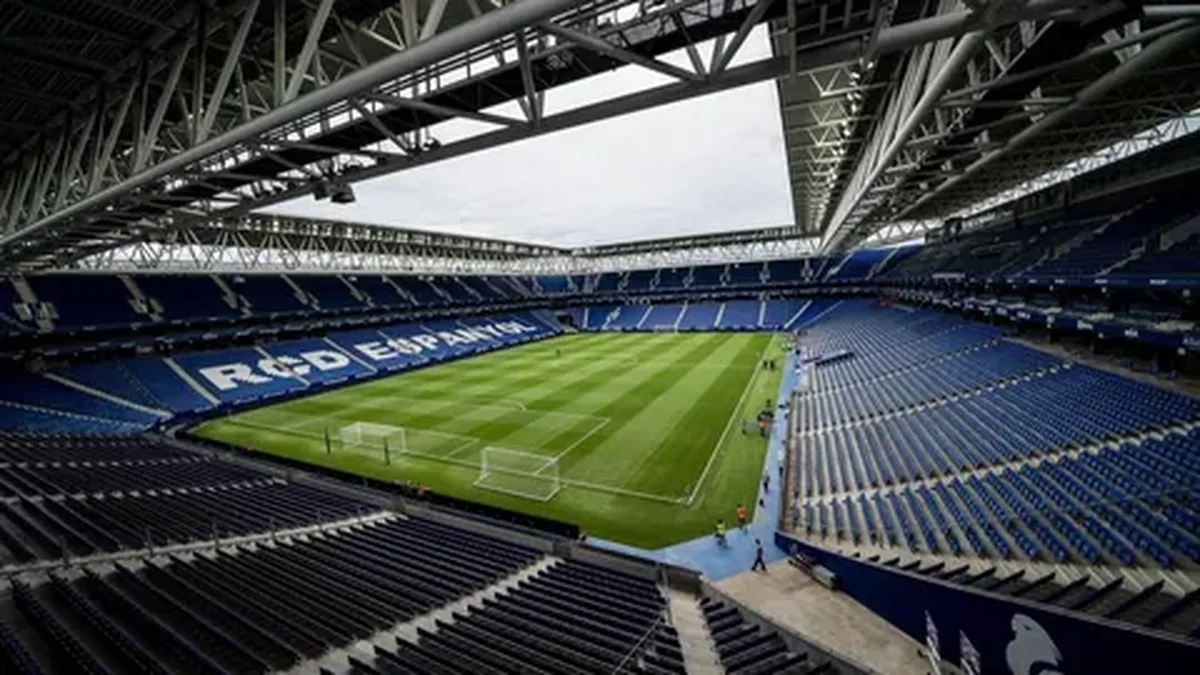
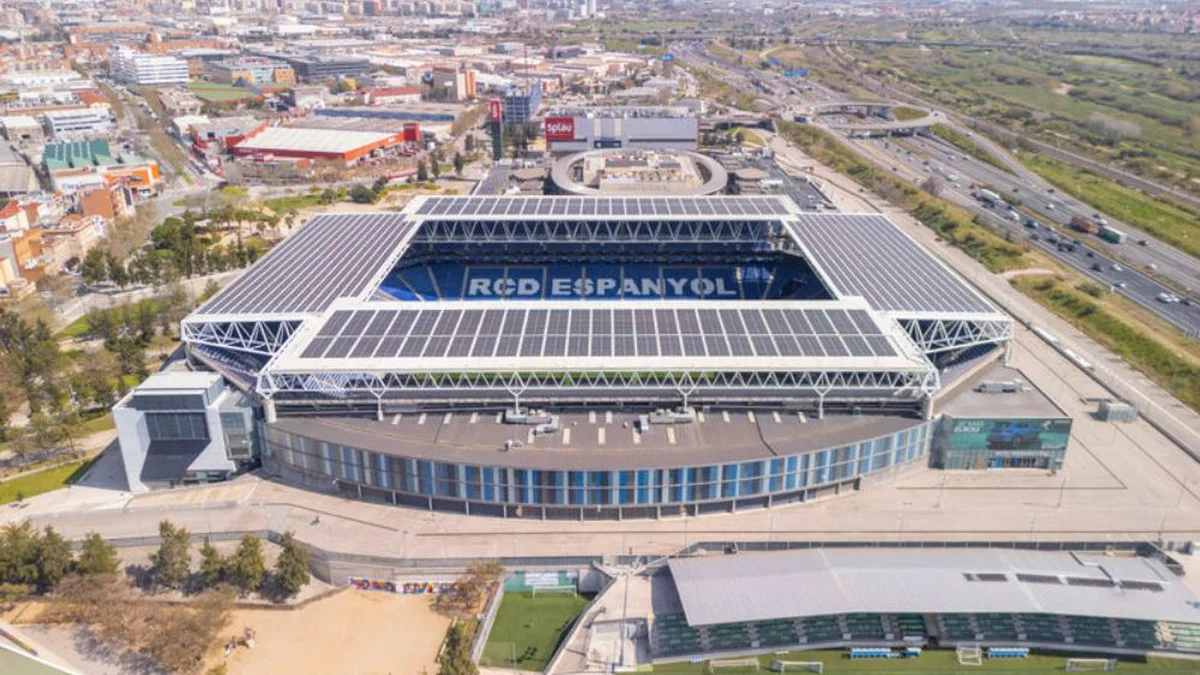
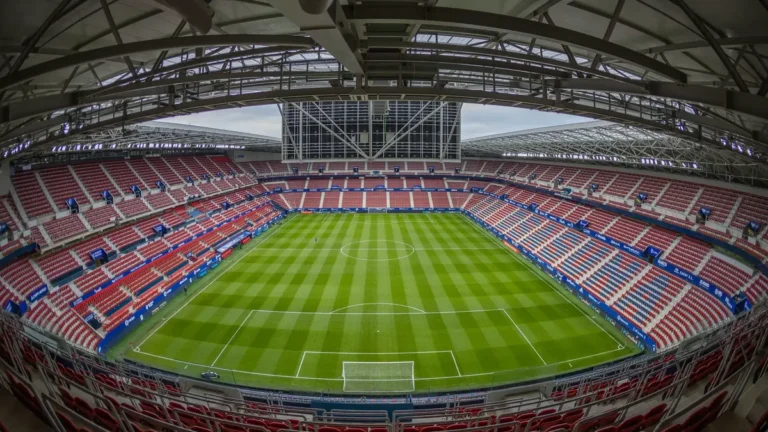
Espanyol play at RCDE Stadium in Cornella de Llobregat, just outside Barcelona. The stadium opened in 2009 and holds 40,000 spectators. The ground is modern, compact, and built for atmosphere. The stands sit close to the pitch, and the noise builds fast on derby nights.
The first match at the new stadium ended in a 3-0 win over Liverpool. That result gave the new home a strong start and set a positive tone. RCDE Stadium now hosts league matches, cup ties, and derby fixtures, and it stands as a symbol of a new era for the club after years of moves and uncertainty.
Trophies And European Finals
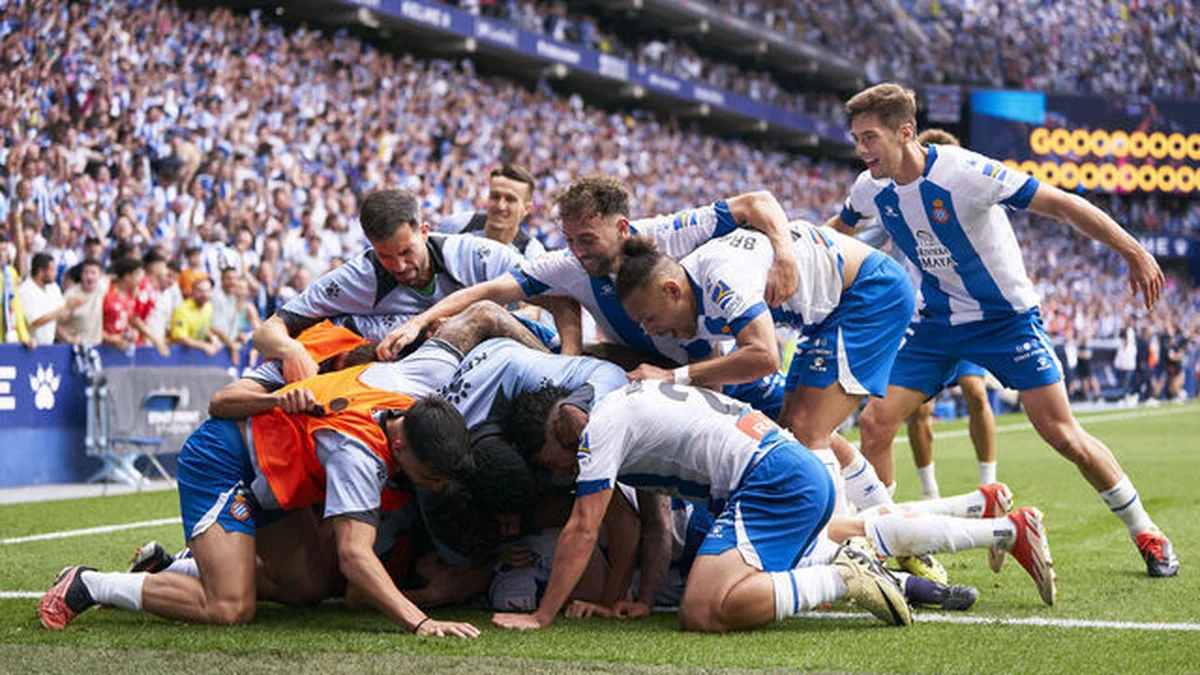
Espanyol have won the Copa del Rey four times. The titles came in 1929, 1940, 2000, and 2006. The 2000 final ended in a 2-1 win over Atletico Madrid. The 2006 final ended in a 4-1 win over Real Zaragoza. The 2006 win remains the most recent major trophy for the club, and it stands as a key moment for a generation of fans.
Europe brought two painful finals. Espanyol reached the UEFA Cup final in 1988 and lost to Bayer Leverkusen on penalties after a dramatic tie. The club reached the UEFA Cup final again in 2007 and lost to Sevilla on penalties in Glasgow. Both finals ended in shootout defeats, and both remain among the most emotional nights in club history.
Espanyol have never won LaLiga. The club have spent most of the history in the top flight and have faced relegation and promotion in recent years. The pattern shows resilience: setbacks arrive, but the club keep returning to the top level and keep competing with limited resources against richer rivals.
Legends Of Espanyol
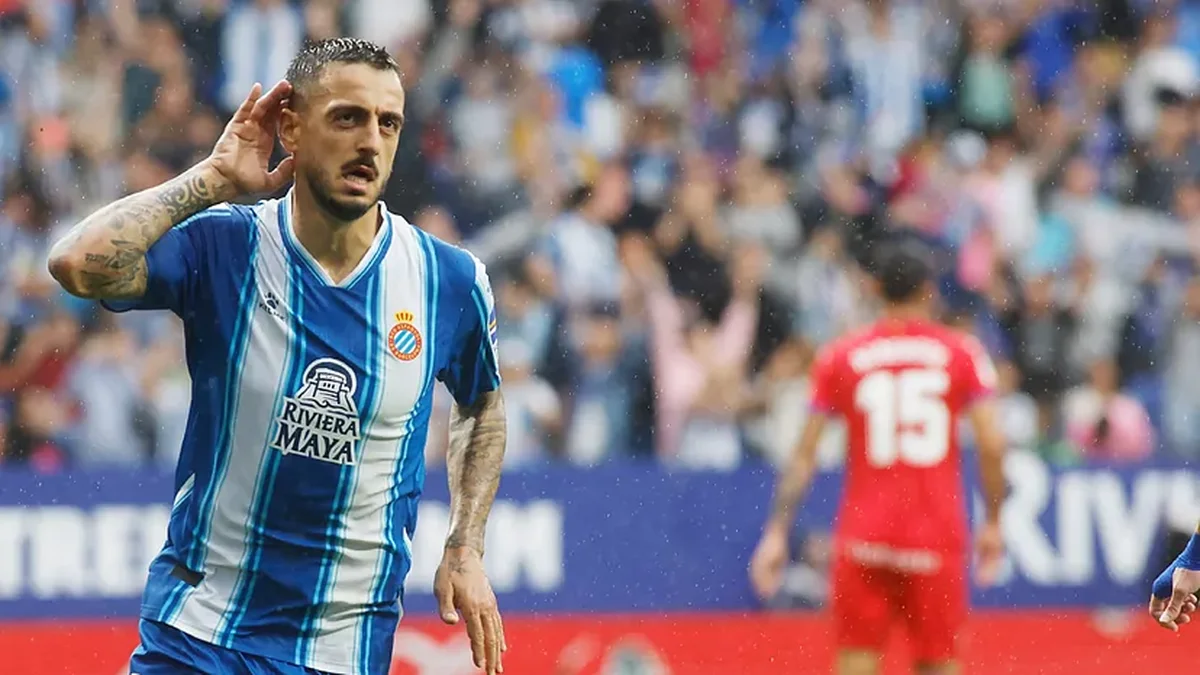
Ricardo Zamora stands as one of the first great figures of Espanyol. The goalkeeper played for the club in the 1920s and became one of the most famous keepers in the history of Spanish football. The award for the best goalkeeper in LaLiga still carries the Zamora name, and the link to Espanyol remains a point of pride for fans.
Raul Tamudo stands as the modern symbol of loyalty. The striker spent most of the career at Espanyol and became the club top scorer in LaLiga. Tamudo scored key goals in cup runs, derbies, and relegation battles. The late goal against Barcelona in the 2006-07 season, which changed the title race, remains one of the most famous moments in club history.
Dani Jarque stands as the eternal captain in the hearts of fans. The defender came through the academy, became captain, and died in 2009 at the age of 26 during a pre-season trip to Italy. The loss shook the whole club. Jarque remains a symbol of loyalty and local identity, and fans still honour the memory at RCDE Stadium.
Mauricio Pochettino also shaped Espanyol history in two roles. The Argentine defender played for the club in the 1990s and returned as head coach. Thomas Nkono, the goalkeeper from Cameroon, became a cult hero with brave performances and a strong bond with fans. Together, these figures show the mix of local talent and international character that defines Espanyol.
Espanyol In 2026-27
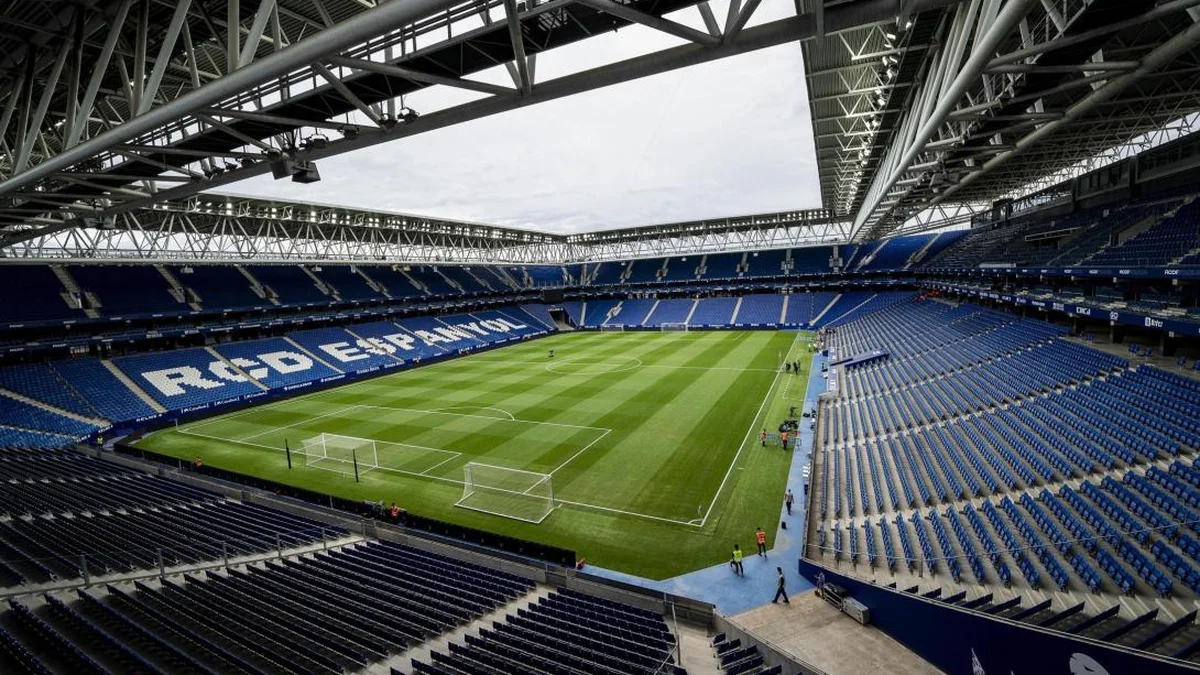
Espanyol entered the 2026-27 season after an 11th-place finish in LaLiga in 2025-26. Manolo Gonzalez leads the team as head coach. The coach took charge in March 2024 and stayed in the role through promotion battles and top-flight survival. The squad blends experienced leaders with young talent, and the plan centres on solid defence, hard work, and fast breaks.
The early weeks of the 2026-27 season were tight. After nine league matches, Espanyol had 8 points and sat in the lower half of the table. The team faced a demanding run, with away trips and derby pressure ahead. The Copa del Rey gave the squad a chance to rotate players and build confidence, while the league remained the main priority.
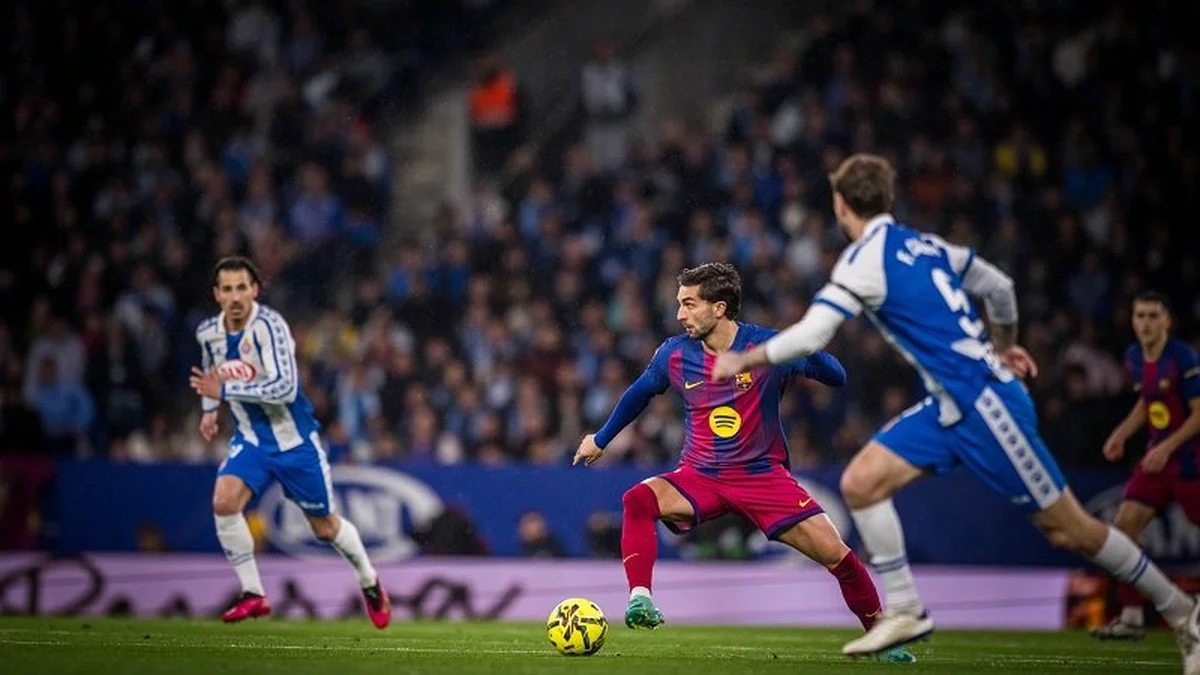
The Barcelona derby remains the fixture that defines the season. The derby brings intensity, noise, and city pride. For Espanyol fans, a derby win counts as more than three points. The derby keeps the club identity alive, even when the city rival dominate the headlines across Europe.
Why Espanyol Matter
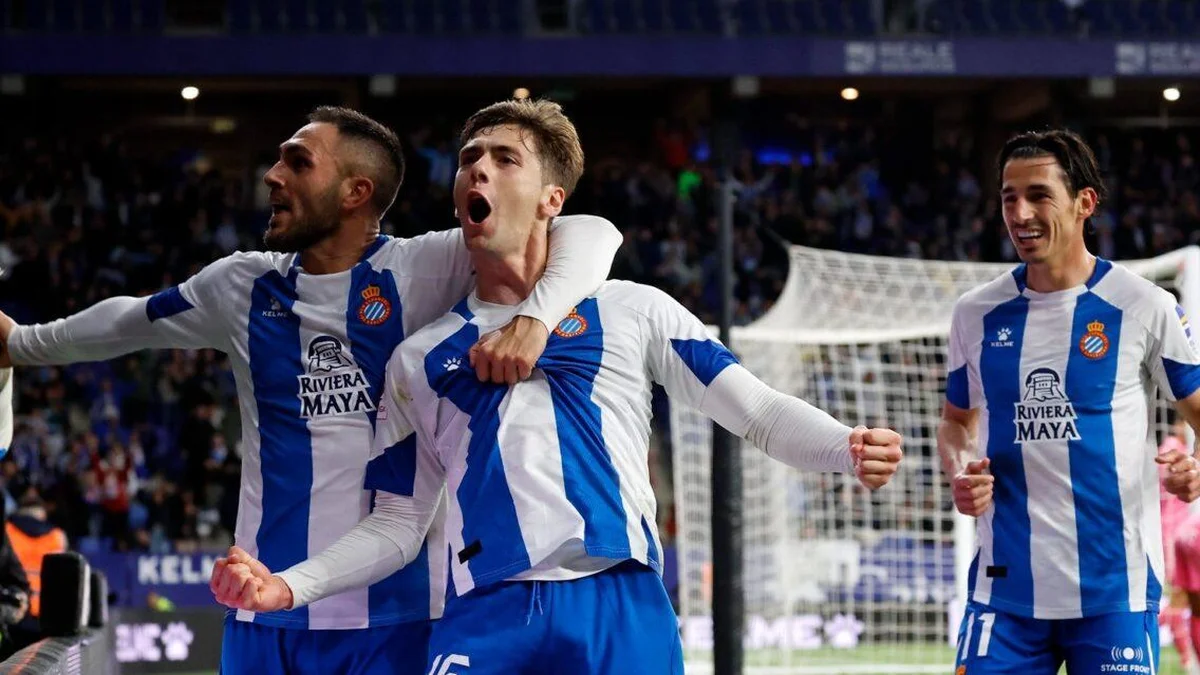
Espanyol matter because the club prove that a second club in a big city can keep a strong soul. The academy keeps producing players. The fan base keeps the stadium loud. The history keeps a record of cup wins, European finals, and derby nights. Espanyol may not win the league, but the club keep giving Barcelona a derby, LaLiga a second voice, and fans a team that fights for every point.
| Detail | Fact |
|---|---|
| Founded | 28 October 1900, as Sociedad Española de Football |
| Stadium | RCDE Stadium, Cornella de Llobregat, capacity 40,000, opened 2009 |
| LaLiga titles | 0 |
| Copa del Rey | 4 titles in 1929, 1940, 2000, and 2006 |
| European finals | UEFA Cup finals in 1988 and 2007, runners-up both times |
| 2025-26 finish | 11th in LaLiga |
| 2026-27 head coach | Manolo Gonzalez |
Espanyol in 2026-27: How Is the Season Going Under Manolo Gonzalez?
Espanyol are playing their third consecutive season in La Liga, and their 127th season in all, after the 11th-place finish recorded in 2025-26. The start under Manolo Gonzalez has been a struggle for momentum. After nine matches, Espanyol sat 15th in the table with eight points, from two wins, two draws and five defeats, with 11 goals scored and 12 conceded. The defensive numbers are respectable for a side in the lower half, but the points total leaves Espanyol just one point above the relegation places, and every home match at the RCDE Stadium already carries real weight.
The season began in perfect fashion, with a 3-0 home win over Levante on the opening weekend. The fixtures then turned against Gonzalez and his players. Real Madrid left Cornella with a 2-1 win, Real Sociedad beat Espanyol 2-1 in San Sebastian, and Sevilla held them to a 1-1 draw. There was also a 2-1 defeat away to Rayo Vallecano, in the match Rayo hosted at the Butarque stadium of Leganes in front of just 3,742 spectators, the smallest crowd of the LaLiga season so far. The toughest result came in October, when Atletico Madrid won 1-0 at the RCDE Stadium through an 89th-minute goal from Alex Baena, as covered in our report on the Atletico defeat. That game at least brought the return of Javi Puado, who appeared as a substitute for his first appearance after an injury absence.
The calendar offers a quick chance to respond, with a trip to Racing Santander on 24 October followed by the visit of Villarreal to Cornella on 30 October, while the Copa del Rey first round adds another route to build confidence. The fixture every Espanyol supporter circles, though, is the Derbi Barceloni: Barcelona come to the RCDE Stadium on 3 January 2027 for the first league derby of the season. For Gonzalez, who took charge in March 2024 and led the club to promotion that same year, the target for 2026-27 is simple: pull clear of the bottom three and give the home crowd a derby night to remember.
Espanyol Squad 2026-27: The Key Players to Know
The summer rebuild leaned heavily on the loan market. Six players arrived on loan: Quilindschy Hartman from Burnley, Gabriel Moscardo from Paris Saint-Germain, Unai Nunez from Celta Vigo, Vanja Drkusic from Zenit Saint Petersburg, Bryan Zaragoza from Bayern Munich and Andoni Gorosabel from Athletic Club. The only permanent signing was midfielder Alex Calatrava from Castellon, while defender Fernando Calero moved the other way, joining promoted Malaga on a free transfer. The result is a squad that mixes a Spanish core with borrowed talent from some of the biggest clubs of Europe.
| Player | Position | Role in the team |
|---|---|---|
| Marko Dmitrovic | Goalkeeper | Serbia international who brings experience to the last line of defence |
| Angel Fortuno | Goalkeeper | Spanish keeper competing for the gloves |
| Leandro Cabrera | Centre-back | Club captain and the leader of the back line, and a threat at set pieces |
| Omar El Hilali | Defender | Morocco international who adds energy in defence |
| Pol Lozano | Midfielder | Third captain and a regular starter in the middle of the pitch |
| Edu Exposito | Midfielder | The creative link between midfield and attack |
| Javi Puado | Forward | Vice-captain who returned from injury in October, and the top scorer of the club in 2024-25 with 12 league goals |
| Roberto Fernandez | Forward | The No. 9, and the top scorer of Espanyol so far in 2026-27 with six league goals |
| Kike Garcia | Forward | Veteran striker who finished as the top scorer of the club in 2025-26 with 10 league goals |
Behind the names in the table, the pace of Bryan Zaragoza gives Espanyol an outlet on the counter-attack, and Tyrhys Dolan and Jofre Carreras offer further options out wide. With so many loanees in the squad, the biggest task of Gonzalez is building a settled side quickly enough to turn narrow defeats into points.
The Derbi Barceloni: Espanyol vs Barcelona Explained
Every Espanyol season is measured against the Derbi Barceloni, the meeting with FC Barcelona that splits the city in two. The first league meeting came on 7 April 1929, when Barcelona won 1-0, and the clubs have since met 220 times in official competitions, with Barcelona winning 130, Espanyol 46 and 44 drawn. It is the most played local derby in La Liga history, and it has always carried extra weight for Espanyol supporters, whose club measure success differently from their neighbours.
The treasured derby moments of Espanyol still burn bright. The biggest win in the history of the fixture belongs to Espanyol, a 6-0 victory on 15 April 1951. In 1957 the clubs met in the only all-Catalan Copa del Rey final, which Barcelona won 1-0. The night modern fans cherish most came in June 2007, when the late equaliser of Raul Tamudo earned a 2-2 draw at Camp Nou on the penultimate weekend of the season, a result remembered as the Tamudazo because it derailed the title challenge of Barcelona. Espanyol also won 2-1 at Camp Nou in the 2008-09 season, becoming the first team to beat Barcelona there during their treble-winning campaign, and in January 2018 they beat Barcelona 1-0 at the RCDE Stadium in a Copa del Rey quarter-final, their first home derby win at the new ground.
When is the next Derbi Barceloni?
The first league derby of 2026-27 is at the RCDE Stadium on 3 January 2027, when Barcelona make the short trip to Cornella. The most recent meeting, in April 2026, finished 4-1 to Barcelona, so the players of Espanyol have a score to settle as well as points to win.
The individual records in the fixture also belong to Barcelona players. Lionel Messi is the all-time top scorer of the derby with 25 goals, and Xavi Hernandez holds the appearance record after playing in 36 editions of the game. For Espanyol, milestones in the derby carry a weight that no other match can match.
Espanyol Records: Top Scorers, Most Appearances and Recent Finishes
The long history of Espanyol makes them one of the institutions of the Spanish game. The club have played more than 85 seasons in La Liga and sit seventh in the all-time table of the competition. By 2023 they had already won 997 La Liga matches and scored 3,812 league goals. Their best league finish is third place, achieved in 1932-33, 1966-67, 1972-73 and 1986-87. The biggest league win of the club is an 8-0 defeat of Real Sociedad in 1941-42, while the heaviest defeat, a 9-0 loss at Athletic Club in February 1929, still stands in the record books of both clubs. The goals flowed most freely in 1950-51, when Espanyol scored 82 times in a single league season, and even Alfredo Di Stefano wore the blue and white, finishing as the top scorer of the club in 1964-65 with nine league goals at the end of his career.
Who is the all-time top scorer of Espanyol?
One name dominates the Espanyol record books. Raul Tamudo is the all-time top scorer of the club with 140 goals in all competitions, and his 129 La Liga goals are also a club record. Behind him in the league list come Maranon, who scored 111 league goals between 1974 and 1983, and Julian Arcas, who scored 86 between 1946 and 1958.
| Player | La Liga goals | Years at Espanyol |
|---|---|---|
| Raul Tamudo | 129 | 1996-2010 |
| Maranon | 111 | 1974-1983 |
| Julian Arcas | 86 | 1946-1958 |
Who has played the most matches for Espanyol?
Tamudo holds that record too, with 389 official appearances for the club, a mark of the loyalty described in the legends section above. Goalkeeping history belongs to another name from that section: three Espanyol keepers have won the Zamora Trophy for the best goalkeeper of La Liga, Ricardo Zamora in 1928-29, Marcel Domingo in 1952-53 and Toni Jimenez in 1997-98.
The scoring history of the club is full of landmarks. Jose Prat scored the first La Liga goal of Espanyol on 10 February 1929, in a 3-2 win over Real Union. Julian Arcas, who also appears in the scorers table above, netted the 1,000th league goal of the club on 26 April 1953. Secundino Ayfuch scored the 2,000th on 26 May 1979, and Kevin Bobson the 3,000th on 21 September 2003, a marker of how deeply Espanyol are woven into the fabric of the Spanish top flight.
What were the finishes of Espanyol in the last five seasons?
The last five seasons tell the story of a yo-yo period, with a relegation, an instant promotion and two seasons of consolidation back in the top flight.
| Season | Finish | Season highlight |
|---|---|---|
| 2021-22 | 14th in La Liga | Raul de Tomas finished as top scorer with 17 league goals |
| 2022-23 | 19th in La Liga | Relegated to the Segunda Division |
| 2023-24 | 4th in Segunda Division | Promoted back to La Liga through the play-offs |
| 2024-25 | 14th in La Liga | Javi Puado top scorer with 12 league goals |
| 2025-26 | 11th in La Liga | Kike Garcia top scorer with 10 league goals |
La21: The Academy Named for Dani Jarque
The academy of Espanyol is known as La21, a permanent tribute to the shirt number worn by Dani Jarque, the academy product and club captain whose death in 2009 is marked at the RCDE Stadium. The academy is based at the Ciutat Esportiva Dani Jarque, the training ground of the club, where 11 development programmes run under the La21 banner and Espanyol B and the Juvenil A side play their football.
For a club that now fills much of its first-team squad with loan signings, La21 is the guarantee of identity: a pathway from youth football at the Dani Jarque complex, through Espanyol B, to the first team. Jarque himself travelled that exact route, and every young player at the academy works in facilities that carry his name.
The club itself describes La21 as one of the most successful youth academies in Spanish football, and the pathway stays visible to supporters: club members even receive free access to the Dani Jarque training facilities. For a fanbase that prides itself on local roots, the academy is not a side project. It is the promise that the next academy graduate to captain the side is already coming through the system.
Conclusion
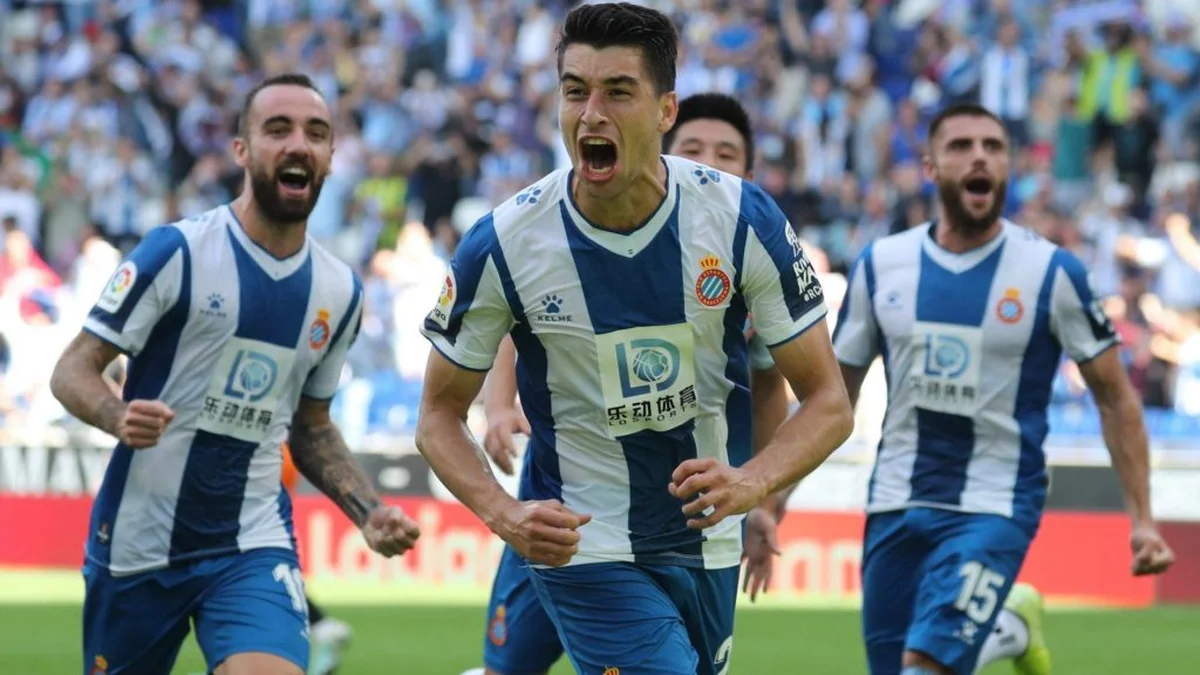
Espanyol combine a founding story, four Copa del Rey titles, and two European finals with a modern stadium and a fierce derby. The club have never lifted the league title, yet the story stays rich and emotional. In 2026-27, Espanyol remain a team built on resilience, local pride, and the belief that the next big night at RCDE Stadium is always close.
When was Espanyol founded?
Espanyol were founded on 28 October 1900 under the name Sociedad Española de Football by university students in Barcelona.
What stadium do Espanyol play in?
Espanyol play at RCDE Stadium in Cornella de Llobregat. The stadium opened in 2009 and holds 40,000 spectators.
How many Copa del Rey titles have Espanyol won?
Espanyol have won the Copa del Rey four times, in 1929, 1940, 2000, and 2006.
Have Espanyol ever won LaLiga?
No. Espanyol have never won LaLiga. The club have reached two UEFA Cup finals, in 1988 and 2007, and lost both on penalties.
Who is the all-time top scorer of Espanyol?
Raul Tamudo is the all-time top scorer of Espanyol with 140 goals in all competitions, including a club-record 129 in La Liga. He also holds the appearance record of the club with 389 matches.
When do Espanyol play Barcelona in the Derbi Barceloni?
The first league derby of the 2026-27 season takes place at the RCDE Stadium on 3 January 2027. The Derbi Barceloni is the most played local derby in La Liga history, with 220 official meetings between the clubs.


6 Comments