Getafe: History, Stadium, Trophies, Legends and 2026-27 Guide
Getafe is a working class city in the south of Madrid, a place where football is about effort, discipline, and pride rather than glamour. Getafe Club de Futbol fits the city perfectly. The club has no giant budget, no global superstars, and no long list of trophies, yet it has become one of the toughest teams in La Liga to play against. The blue shirt, known as the Azulones, stands for organisation, intensity, and a refusal to give up.
The story of Getafe is a story of survival and overachievement. The modern club was founded in 1983, reached La Liga for the first time in 2004, and has spent most of the years since then in the top flight. Along the way, Getafe reached two Copa del Rey finals, a UEFA Cup quarter-final, and the knockout rounds of the Europa League. For a European football fan, Getafe offers a classic underdog story with a modern twist. This guide covers the history, the stadium, the records, the legends, and the 2026-27 season.
Getafe History: Origins and Early Years
Football in Getafe goes back to the 1940s, when five local men formed Club Getafe Deportivo in 1946. That early club climbed through the lower divisions, played at Las Margaritas from 1970, and reached the Second Division in 1976. Financial problems ended that chapter in the early 1980s, and the club was dissolved. Football in the city did not stop, however, and a new club rose from the local base.
The modern Getafe Club de Futbol was officially founded on 8 July 1983. The new club started in the regional leagues and climbed the pyramid with a series of promotions. Getafe reached the Second Division in 1994, fell back, and returned at the end of the decade. The turning point came in June 2002, when Angel Torres took over as president and gave the club the financial and sporting stability it had lacked. Torres remains president more than two decades later.
The greatest day in early club history came at the end of the 2003-04 season. Getafe travelled to Tenerife on the final day needing a win to secure promotion to La Liga, and the team won 5-3, with Sergio Pachon the scoring hero. The result took Getafe into the top flight for the first time and made the club the first team from the Madrid suburbs to reach Primera. The first season in La Liga, under Quique Sanchez Flores, ended in safety, and Getafe was on the way to becoming a familiar name in Spanish football.
Coliseum Stadium
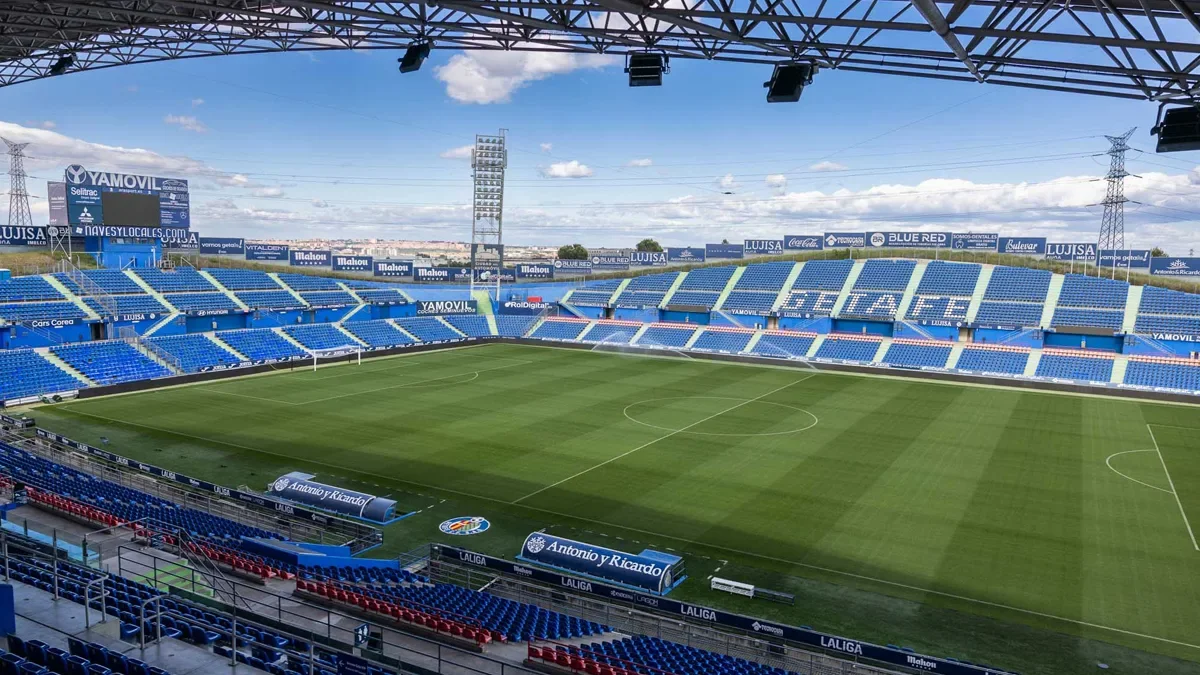
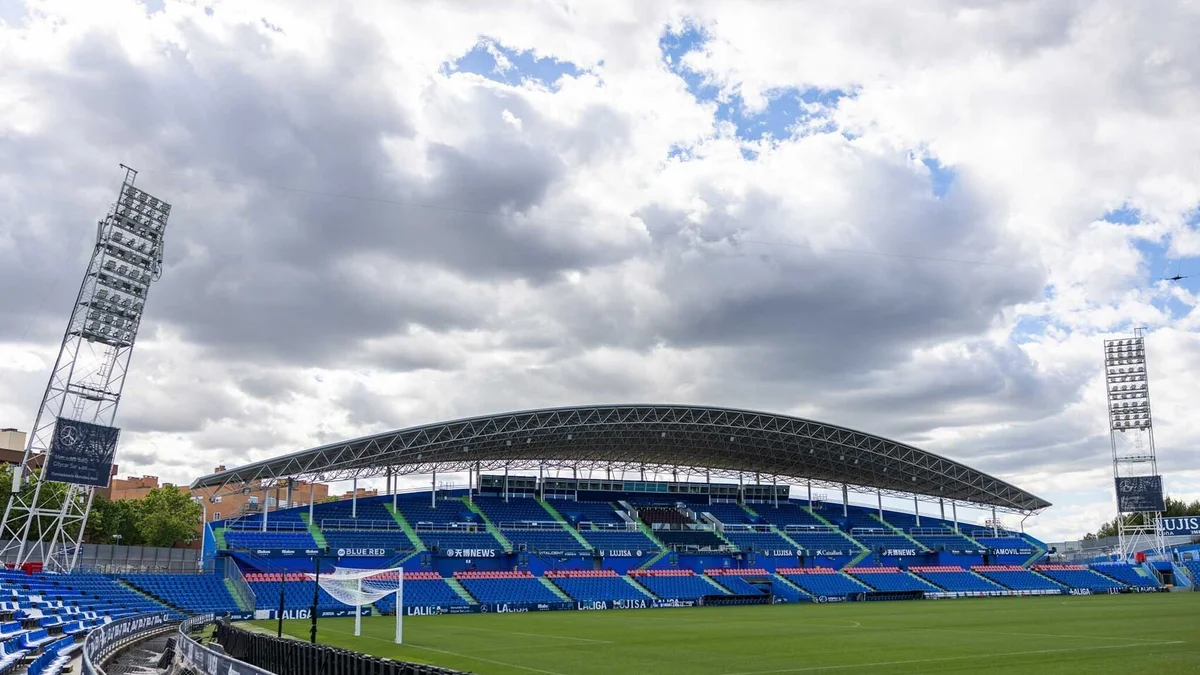
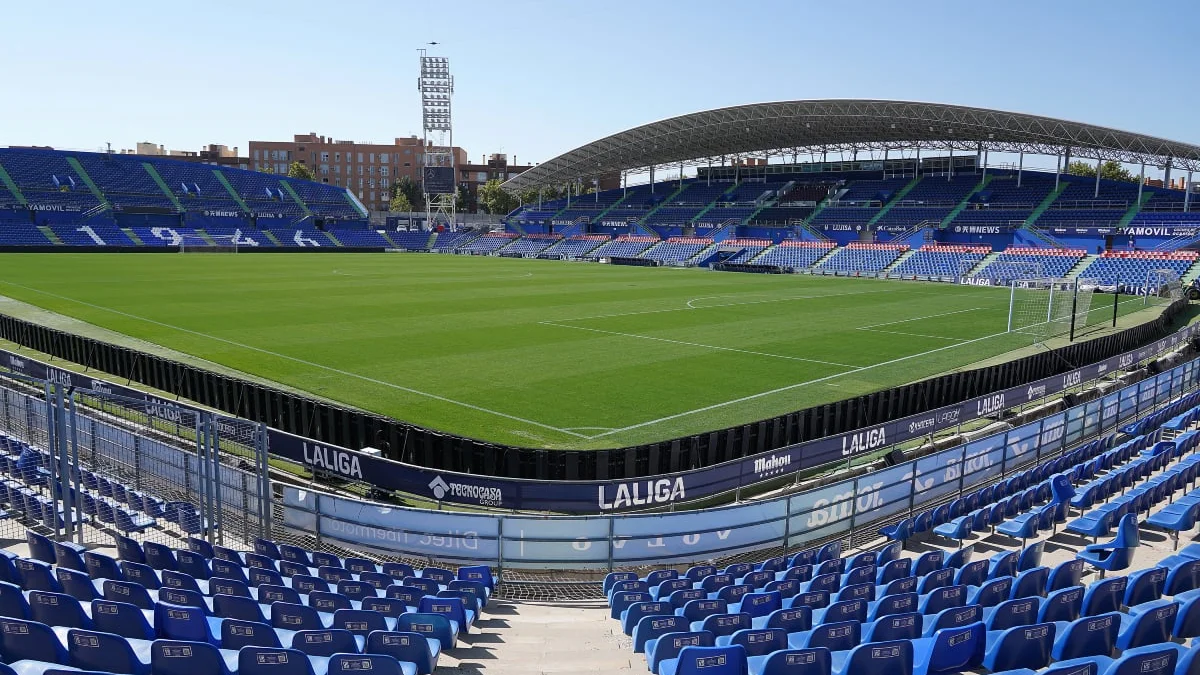
Getafe plays home matches at the Estadio Coliseum, a compact and modern ground in the city. The stadium opened in 1998, when the club moved from Las Margaritas to a new purpose built home. The capacity is 16,500, which makes it one of the smallest stadiums in La Liga, yet the tight stands and the closeness of the crowd to the pitch create an intense atmosphere. Visiting teams often find the Coliseum a hard place to play.
The ground was first named the Coliseum Alfonso Perez, after Alfonso Perez Munoz, the Getafe born Spain striker who played for Real Madrid, Real Betis, Barcelona, and Marseille. In October 2023, the club and the city council removed his name, and the ground has been known simply as the Coliseum since then. The stadium hosted the UEFA Women Champions League final in May 2010, a major event for the city. The current Getafe squad lists the players and staff who now defend the Coliseum in La Liga and in Europe.
Trophies and Records

Getafe has not won a major trophy, and the club does not hide that fact. The record is built on cup finals and European runs rather than silverware. Getafe reached the Copa del Rey final in 2007 and again in 2008, finishing as runner up on both occasions. The 2007 final run included a famous semi-final win against Barcelona, a result that put Getafe on the national stage. The 2008 run confirmed that the first final was not a one off.
In Europe, the best run came in the 2007-08 UEFA Cup, when Getafe reached the quarter-finals and faced Bayern Munich. The tie became one of the most memorable in club history, with late goals, extra time, and a narrow exit against one of the biggest clubs in Europe. Getafe returned to Europe in later years and reached the round of 16 of the Europa League in 2019-20, where the team beat Ajax in a famous tie. In La Liga, the club finished seventh in 2025-26, a strong result that secured another season of European football.
| Key Fact | Detail |
|---|---|
| Founded | 8 July 1983 |
| City | Getafe, Community of Madrid |
| Stadium | Estadio Coliseum |
| Capacity | 16,500 |
| First La Liga season | 2004-05 |
| Copa del Rey finals | 2 (2007, 2008) |
| UEFA Cup best | Quarter-finals 2007-08 |
| Head coach 2026-27 | Jose Bordalas |
Legendary Players and Figures
Getafe has built its reputation on teams rather than on single stars, but a few names stand out. Alfonso Perez is the most famous footballer born in Getafe, and the stadium carried his name for 25 years. Alfonso played for the Spain national team and for some of the biggest clubs in the country, and his story links the city to the wider history of Spanish football. The stadium name honoured a local boy who reached the top of the game.
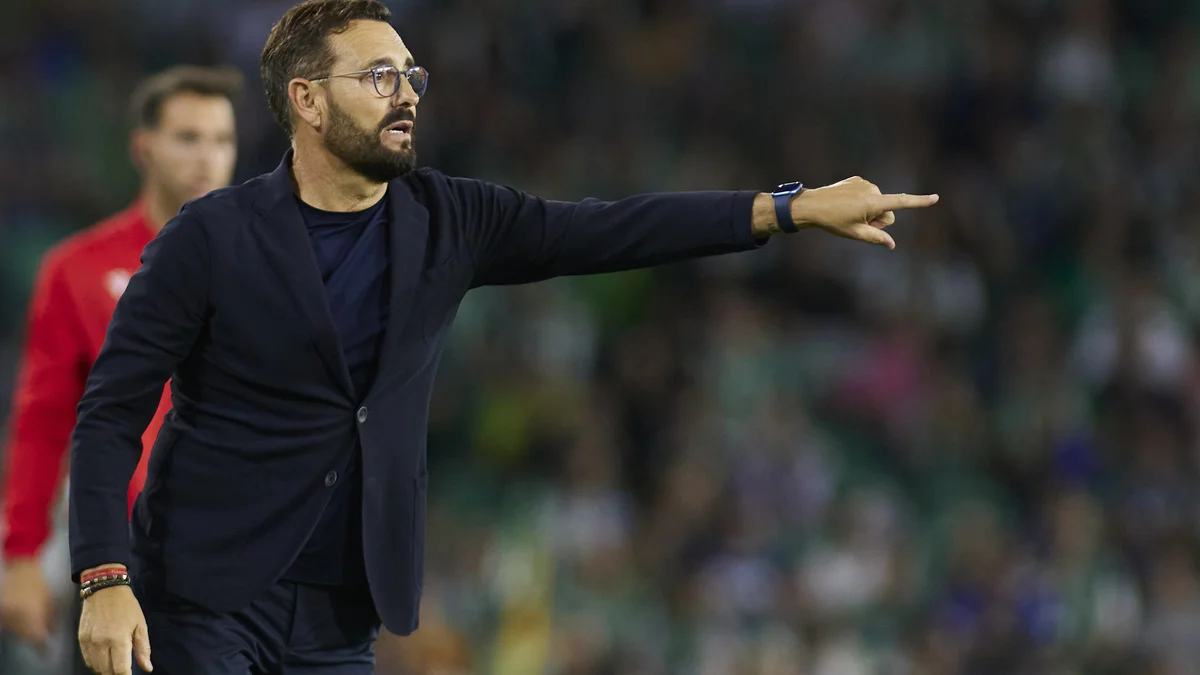
Jose Bordalas has become the defining manager of the modern club. Bordalas led Getafe back to La Liga through the play-offs in 2017, after a win against Tenerife, and built a team famous for defensive organisation, physical intensity, and team spirit. Angel Torres, as president since 2002, has given the club stability through promotions, relegations, and European runs. Sergio Pachon, with a scoring hero turn in the promotion match at Tenerife in 2004, holds a permanent place in club folklore.
2026-27 Season Context
Getafe entered the 2026-27 season with Jose Bordalas as head coach and with European football in the UEFA Conference League. The club had finished seventh in La Liga in 2025-26, a result that brought another European campaign and raised hopes for the new season. The start in La Liga was hard. At the time of writing, after eight league matches, Getafe sat in 15th place with eight points, from two wins, two draws, and four defeats. The team had scored four goals and conceded ten, a sign of a side built on defence rather than attack.
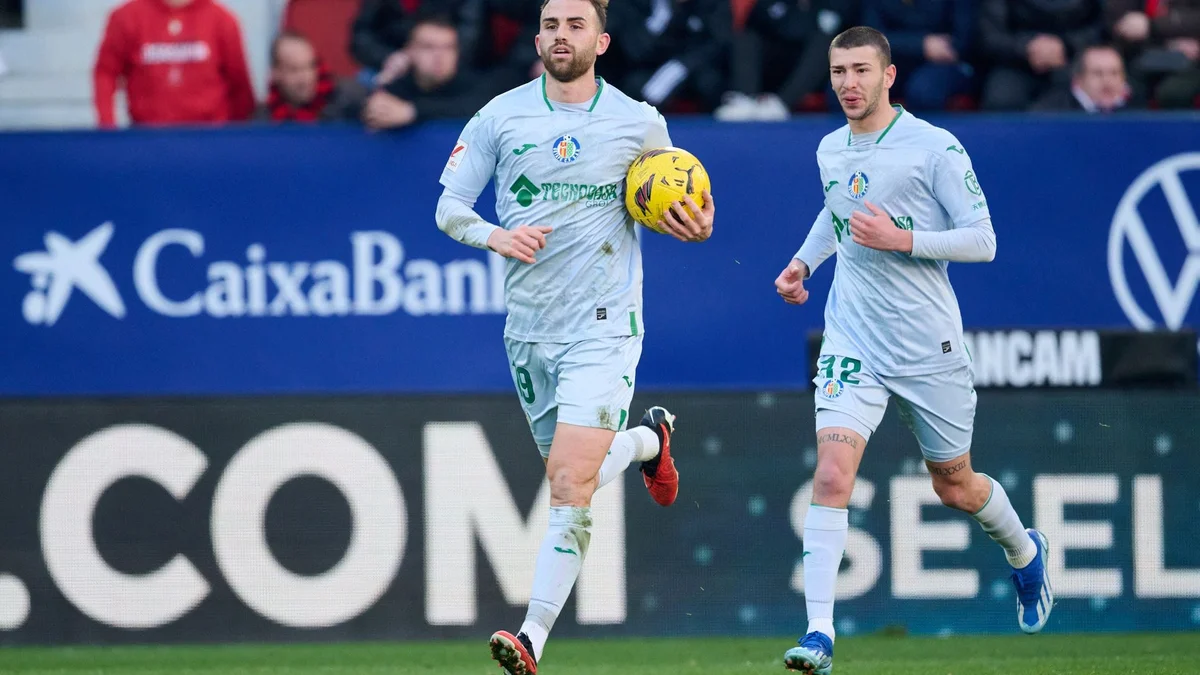
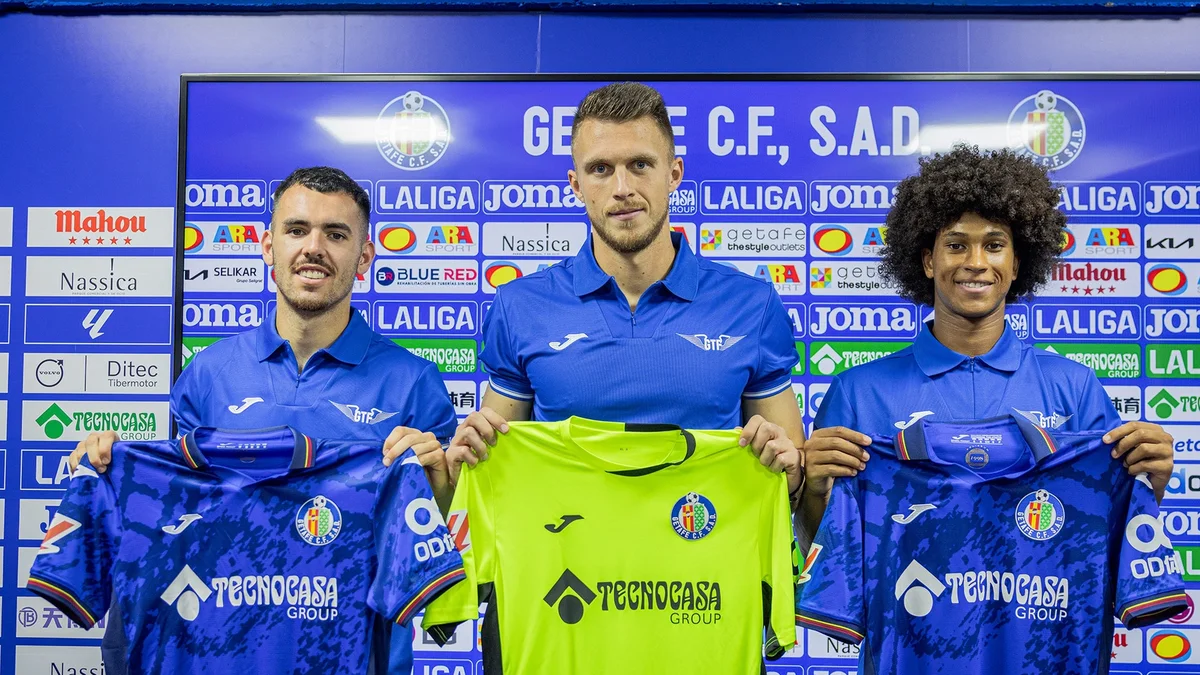
The squad blends long serving players with new faces. David Soria remains the goalkeeper and a leader at the back, while Djene brings experience in defence. Ivan Azon, Martin Satriano, Ramon Terrats, and Enes Unal have shared the early goals, with one goal each in the opening weeks.
Why Getafe Matters

Getafe matters because the club shows that organisation can beat money. The team does not sign stars, yet it competes with clubs that spend far more. The style is clear, compact defence, hard work without the ball, and fast attacks when the chance comes. For a coach or a student of tactics in Europe, Getafe is a case study in how a small club can build a clear identity and stick to it.
The club also matters for the Madrid area. Getafe is not Real Madrid or Atletico Madrid, and it does not try to be. The club represents a city with its own character, its own supporters, and its own story. The rivalries with Leganes, Atletico Madrid, and Real Madrid give the fixture list extra spice, and the Coliseum gives the city a stage. For a neutral fan, Getafe offers honest football, a loud small ground, and a team that fights for every ball.
Conclusion
Getafe is a club with a short top flight history, no major trophies, and a record of overachievement that few clubs can match. Two Copa del Rey finals, a UEFA Cup quarter-final, and a seventh place finish in 2025-26 tell the story of a team that keeps beating expectations. The 2026-27 season brings another European campaign under Bordalas.
When was Getafe founded?
The modern Getafe Club de Futbol was founded on 8 July 1983. Football in the city goes back to 1946, with the earlier Club Getafe Deportivo.
What stadium does Getafe play in, and what is the Coliseum capacity?
Getafe plays at the Estadio Coliseum, which opened in 1998. The capacity is 16,500, and the ground was first named after Alfonso Perez.
Has Getafe ever won a major trophy?
No. Getafe has not won a major trophy. The club reached the Copa del Rey final in 2007 and 2008, and the UEFA Cup quarter-finals in 2007-08.
Who is the head coach of Getafe in 2026-27?
Jose Bordalas is the head coach of Getafe in 2026-27. Bordalas led the club back to La Liga in 2017 and has become the defining manager of the modern era.


2 Comments