Rayo Vallecano: History, Stadium, Trophies, Legends and 2026-27 Guide
Rayo Vallecano are the smallest club with the biggest heart in LaLiga. The team from Vallecas, a working-class district in Madrid, play in a three-sided stadium, wear a red sash across a white shirt, and punch above the weight in every season. Rayo have never won a major trophy, yet the club reached a European final in 2026 and built a reputation that travels far beyond Madrid.
The history of Rayo Vallecano starts in 1924, when neighbours in Vallecas formed a local team. That local bond still defines the club today. Rayo belong to the district, and the district belongs to Rayo. Every match at Vallecas feels like a neighbourhood gathering with top-flight football at the centre.
Rayo Vallecano History: Foundation And Vallecas Identity
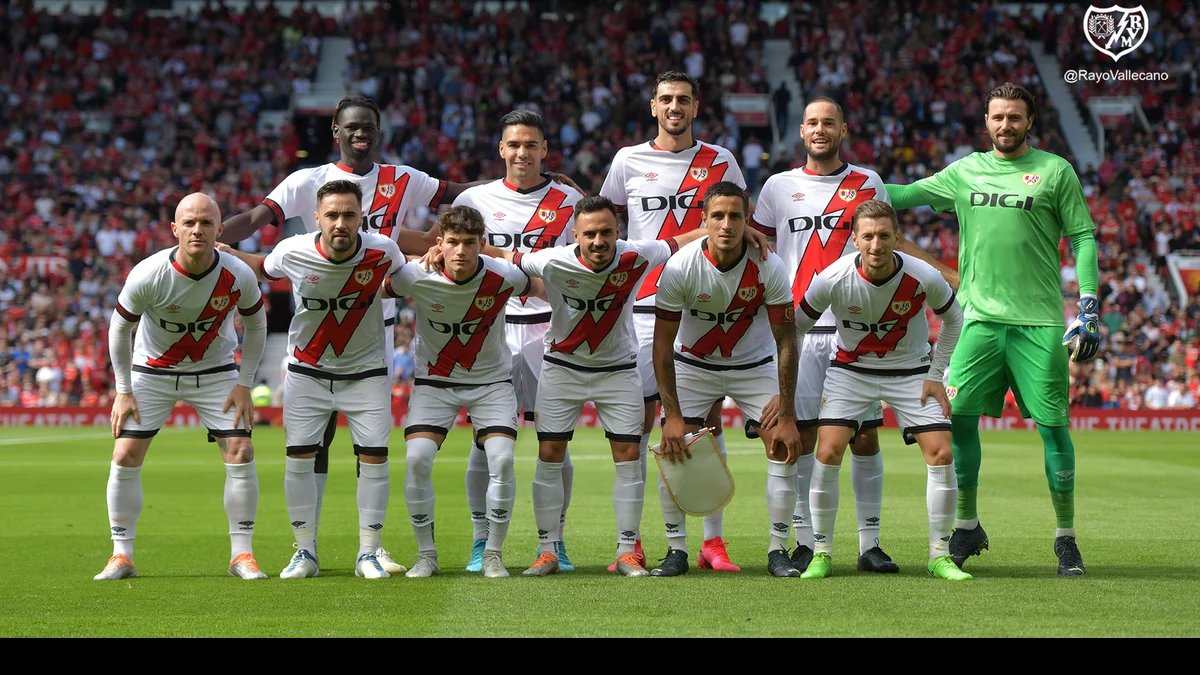
Rayo were founded on 29 May 1924 under the name Agrupacion Deportiva El Rayo. The name means thunderbolt, and the nickname Rayito, or little thunderbolt, stuck fast. The club grew from local football in Puente de Vallecas, a district built by working families who moved to Madrid for jobs and a better life.
The identity of Rayo comes from that district. The club carry the nickname Los Franjirrojos, or the red sashes, from the red diagonal stripe on the shirt. The club also carry the nickname El Matagigantes, or the giant-killer, from a long habit of beating bigger teams. The fans call the club the pride of the working class, and the phrase fits the history.
Rayo reached LaLiga for the first time in the 1977-78 season. The club have moved between the first and second divisions many times since then. The pattern shows a team that refuse to stay down. Each return to the top flight brings the same mix: a small budget, a loud stadium, and a squad that fights for every ball.
Vallecas Stadium
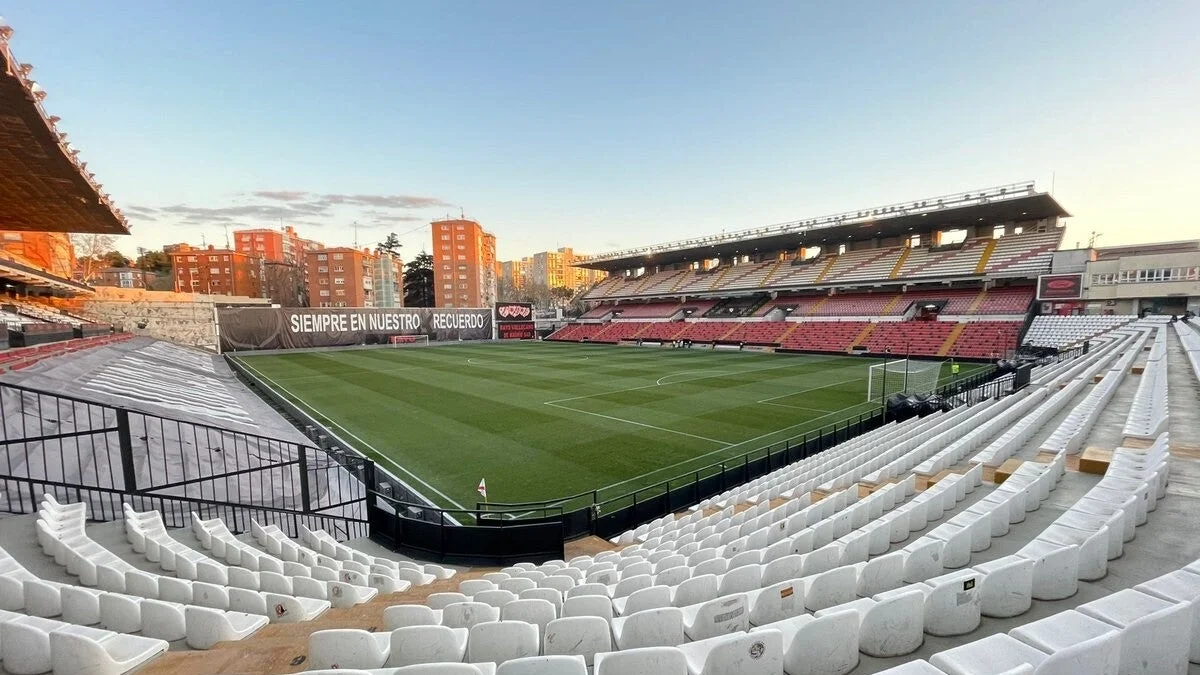
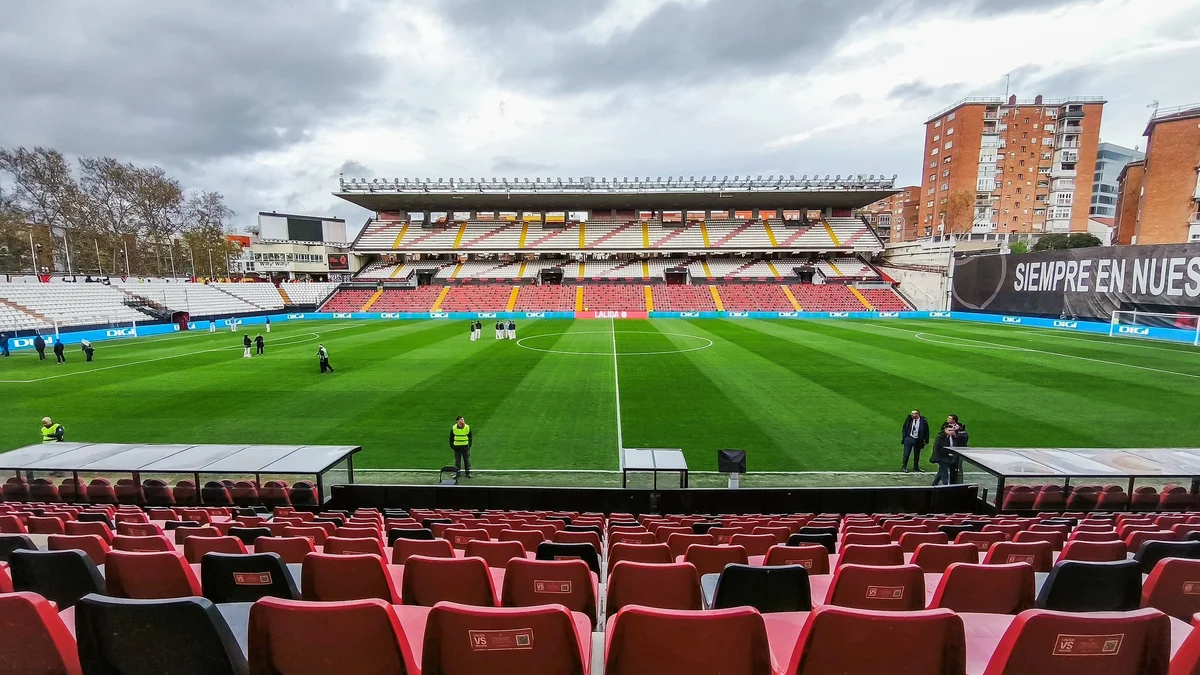
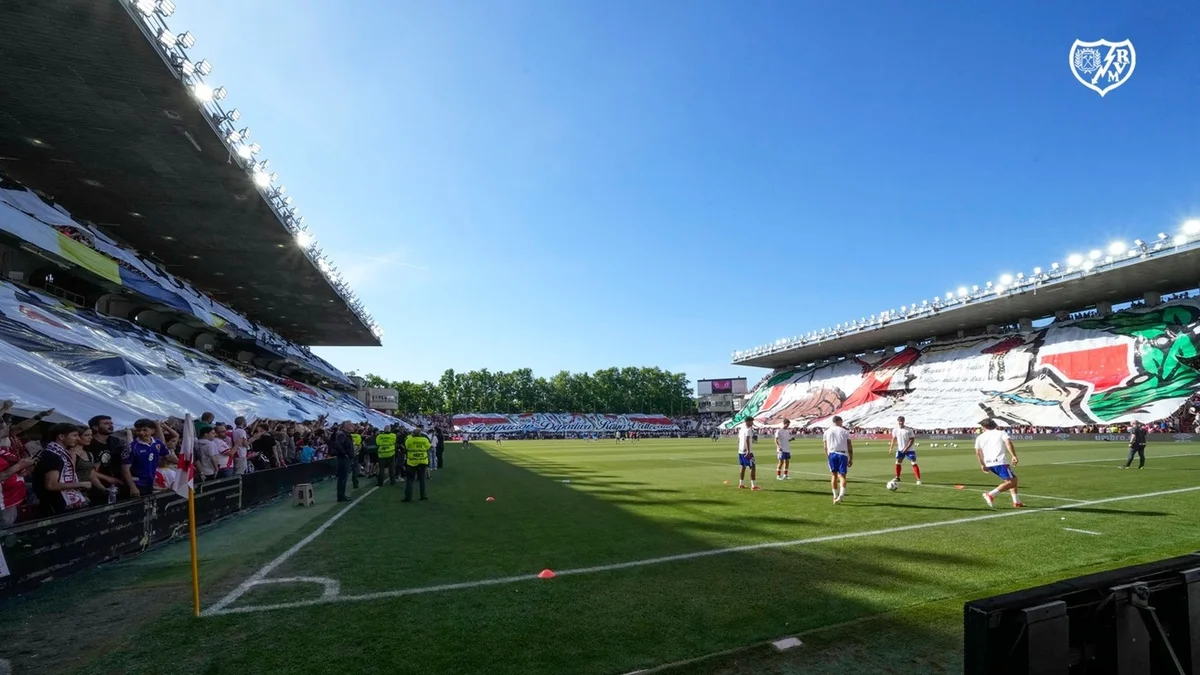
Rayo play at Campo de Futbol de Vallecas, known as Vallecas Stadium, in Madrid. The stadium opened in 1976 and holds 14,708 spectators. The ground has only three stands, which gives the stadium a distinct shape and a close, intense atmosphere. The fourth side stays open, and the noise from the three stands pours onto the pitch.
Vallecas is one of the smallest stadiums in LaLiga, and that size is part of the appeal. Fans sit close to the action, players hear every chant, and visiting teams feel the pressure from the first minute. The stadium has hosted top-flight matches, cup ties, and European nights, and it remains the beating heart of the district.
Trophies And European Runs
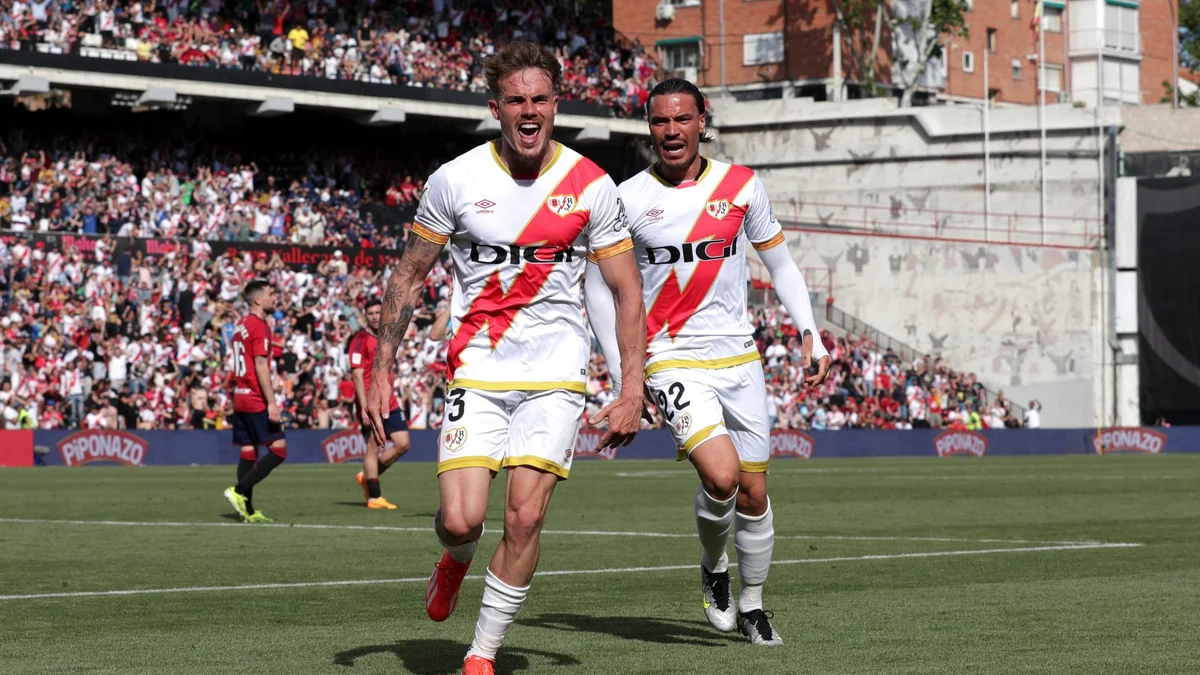
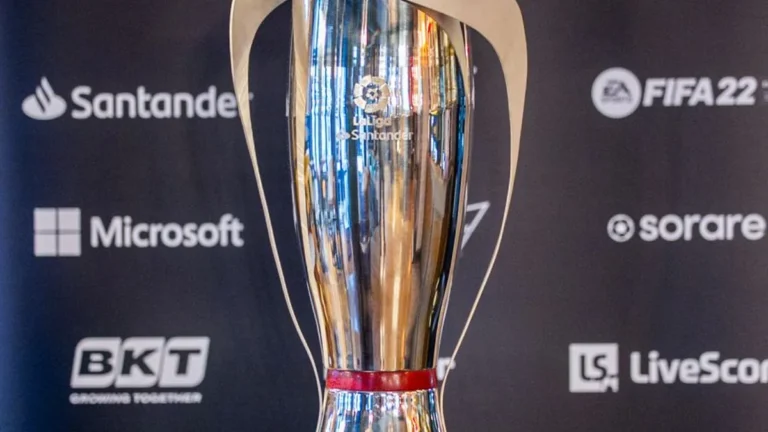
Rayo have never won a major national trophy. The club have never won LaLiga or the Copa del Rey. The best league finish is eighth, achieved in the 2012-13 season and again in the 2024-25 and 2025-26 seasons. The Copa del Rey runs reached the semi-finals in the 1981-82 season and again in the 2021-22 season.
Europe gave Rayo the biggest nights in club history. The first European campaign came in the 2000-01 UEFA Cup. Rayo reached the quarter-finals before elimination by Deportivo Alaves. The run showed that a small club from Vallecas could compete on the continental stage.
The second European campaign became even bigger. Rayo reached the 2025-26 UEFA Conference League final in Leipzig on 27 May 2026. The club faced Crystal Palace in a first European final for both teams. Rayo lost the final 1-0 to Crystal Palace. The defeat hurt, but the run to the final remains the greatest achievement in club history and a source of pride across Vallecas.
Rayo also won the Segunda Division title in the 2017-18 season. The title gave the club a return to LaLiga and set up a new era of stability. The club have now spent six straight seasons in LaLiga, the longest top-flight run in recent history.
Legends Of Rayo
Wilfred Agbonavbare stands as one of the most loved figures in Rayo history. The goalkeeper from Nigeria played for Rayo from 1990 to 1996 and became a symbol of dignity and courage. Wilfred helped Rayo win promotion, produced famous saves against Real Madrid, and faced racist abuse with calm strength. Gate one at Vallecas now bears the name of Wilfred, and the club still honour the memory.
Oscar Trejo stands as the modern leader of Rayo. The midfielder from Argentina joined Rayo on loan in 2010, returned in 2017, and became captain. Trejo played a key role in the promotion to LaLiga in the 2017-18 season and in the rise under coach Andoni Iraola. Trejo retired in 2026 as one of the most respected players in club history.
Alvaro Garcia stands as another key figure of the modern era. The winger gave Rayo pace, goals, and work rate across many seasons in LaLiga. Isi Palazon, the captain in recent seasons, gave the team creativity and leadership. Together, these players show the Rayo model: hard work, loyalty, and a deep bond with the fans.
Rayo In 2026-27
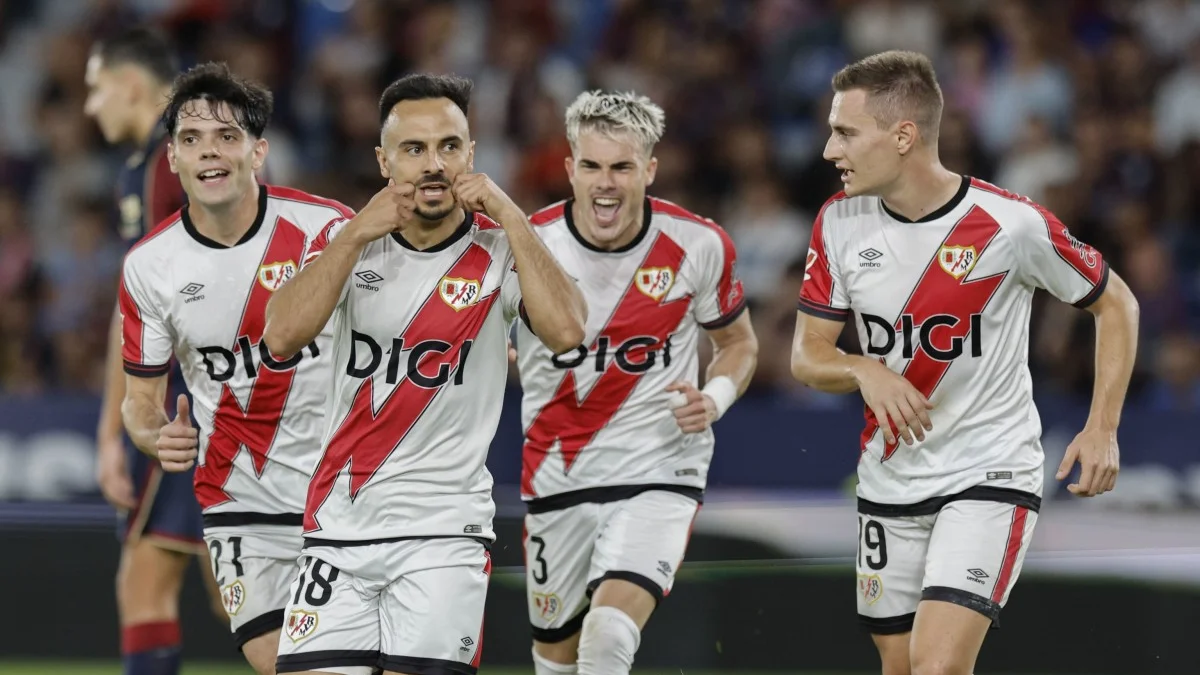
Rayo entered the 2026-27 season after an eighth-place finish in LaLiga in 2025-26. Benat San Jose leads the team as head coach. San Jose took charge in June 2026 after Inigo Perez left for Villarreal. The new coach brought a clear plan: keep the intensity, keep the pressing, and keep the bond between the team and the stands.
The early weeks of the 2026-27 season were tight and hard fought. Rayo drew 1-1 away at Osasuna on 19 September 2026, with Sergio Camello scoring the equaliser. After seven league matches, Rayo had 8 points and sat in the lower half of the table. The focus stayed on LaLiga and the Copa del Rey, with no European football to stretch the small squad.
The 2026-27 season is the sixth straight season in LaLiga for Rayo. The aim is clear: secure survival early, push for a mid-table finish, and keep the Vallecas atmosphere as a weapon. For a club with one of the smallest budgets in the league, each season in the top flight counts as a success.
Why Rayo Matter
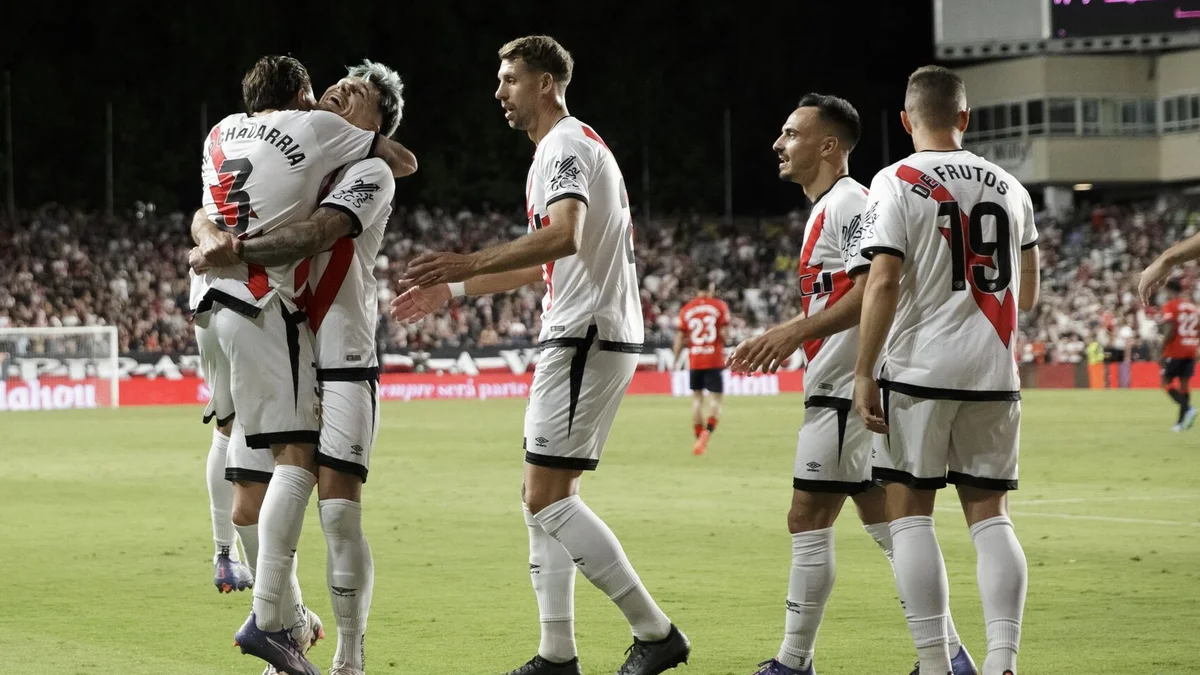
Rayo matter because the club prove that football still belongs to neighbourhoods. The budget is small, the stadium is small, and the expectations stay realistic. Yet Rayo keep producing big nights, big characters, and a European final. The club give LaLiga colour, noise, and soul. For neutral fans, a trip to Vallecas offers one of the most authentic experiences in Spanish football.
| Detail | Fact |
|---|---|
| Founded | 29 May 1924, as Agrupacion Deportiva El Rayo |
| Stadium | Campo de Futbol de Vallecas, Madrid, capacity 14,708, opened 1976 |
| LaLiga titles | 0, best finish eighth in 2012-13, 2024-25, and 2025-26 |
| Copa del Rey | 0 titles, semi-finals in 1981-82 and 2021-22 |
| European best | UEFA Conference League final 2025-26, lost 1-0 to Crystal Palace |
| 2025-26 finish | Eighth in LaLiga |
| 2026-27 head coach | Benat San Jose |
Conclusion
Rayo Vallecano combine a working-class identity, a small and loud stadium, and a history of giant-killing with a European final in 2026. The club have never won a major trophy, yet the story stays rich and inspiring. In 2026-27, Rayo remain a team that fight for every point, protect the home ground, and remind LaLiga that heart still counts.
When was Rayo Vallecano founded?
Rayo were founded on 29 May 1924 under the name Agrupacion Deportiva El Rayo in the Vallecas district of Madrid.
What stadium do Rayo Vallecano play in, and what is the Vallecas capacity?
Rayo play at Campo de Futbol de Vallecas in Madrid. The stadium opened in 1976 and holds 14,708 spectators.
Have Rayo Vallecano ever won a major trophy?
No. Rayo have never won LaLiga or the Copa del Rey. The club reached the UEFA Conference League final in 2026 and lost 1-0 to Crystal Palace.
Who are the biggest legends of Rayo Vallecano?
Wilfred Agbonavbare stands as a beloved goalkeeper and symbol of dignity. Oscar Trejo stands as the modern captain and leader across many seasons.