Villarreal: History, Stadium, Trophies, Legends and 2026-27 Guide
Villarreal is a small town with a big football story. The town has about 51,000 people, yet the local club has won the UEFA Europa League, reached two Champions League semi-finals, and finished second in La Liga. The yellow shirt of Villarreal is known across Europe, and the nickname Yellow Submarine has become one of the most famous in world football. This is a club that proves that smart planning, patient building, and a clear identity can beat size and money.
The rise of Villarreal is one of the great modern stories in Spanish football. For most of the 20th century, the club played in the lower divisions. The arrival of president Fernando Roig in 1997 changed the path of the club, and Villarreal reached La Liga in 1998. This guide covers the history, the stadium, the trophies, the legends, and the 2026-27 season.
Villarreal History: Origins and Early Years
Villarreal was founded on 10 March 1923 by a group of fans from Vila-real, in the province of Castellon in eastern Spain. One of the great promoters was Jose Calduch Almela. The club was first called Club Deportivo Villarreal, and one of the first decisions was to buy the land for the El Madrigal stadium. The club did not play official matches until the next decade, and the early kit was white shirts with black shorts. The early years of Villarreal show a small town club with big dreams and a strong local base.
After the Spanish Civil War, the club was refounded under a new name and later recovered the name of the city. The kit changed from white to yellow in the 1940s, and the change became permanent. The final name, Villarreal Club de Futbol, was adopted in 1954. The song Yellow Submarine, a cover version by Los Mustang of the Beatles hit, became the battle cry of the supporters and gave the club the famous nickname. Promotion to the Second Division in 1970, after a final against Bilbao Athletic at the Santiago Bernabeu, was the first major milestone.
The modern era began in May 1997, when Fernando Roig took over as president and principal shareholder. Roig promised an ambitious future and delivered fast results. Villarreal won promotion to La Liga in his first year in charge, in 1998, after 75 years in the lower divisions. The club went down and came back up in the early years of the top flight, but the direction was clear. Villarreal was no longer a small regional club. The Yellow Submarine was ready to compete with the best teams in Spain and Europe.
Estadio de la Ceramica
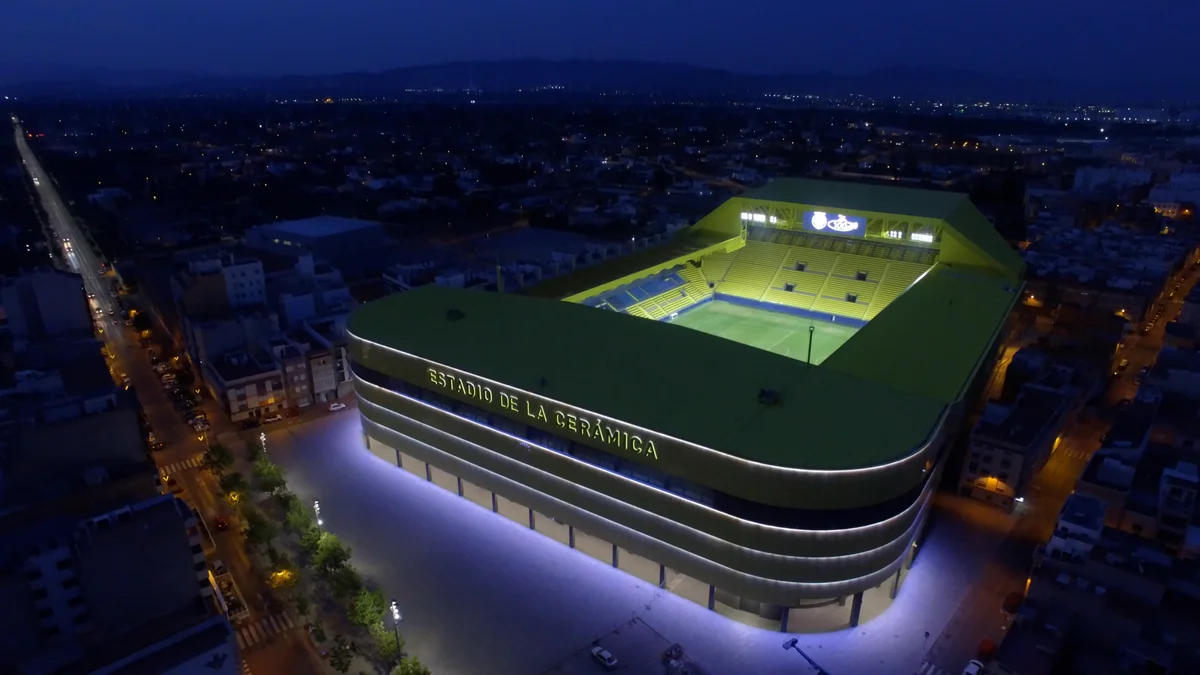
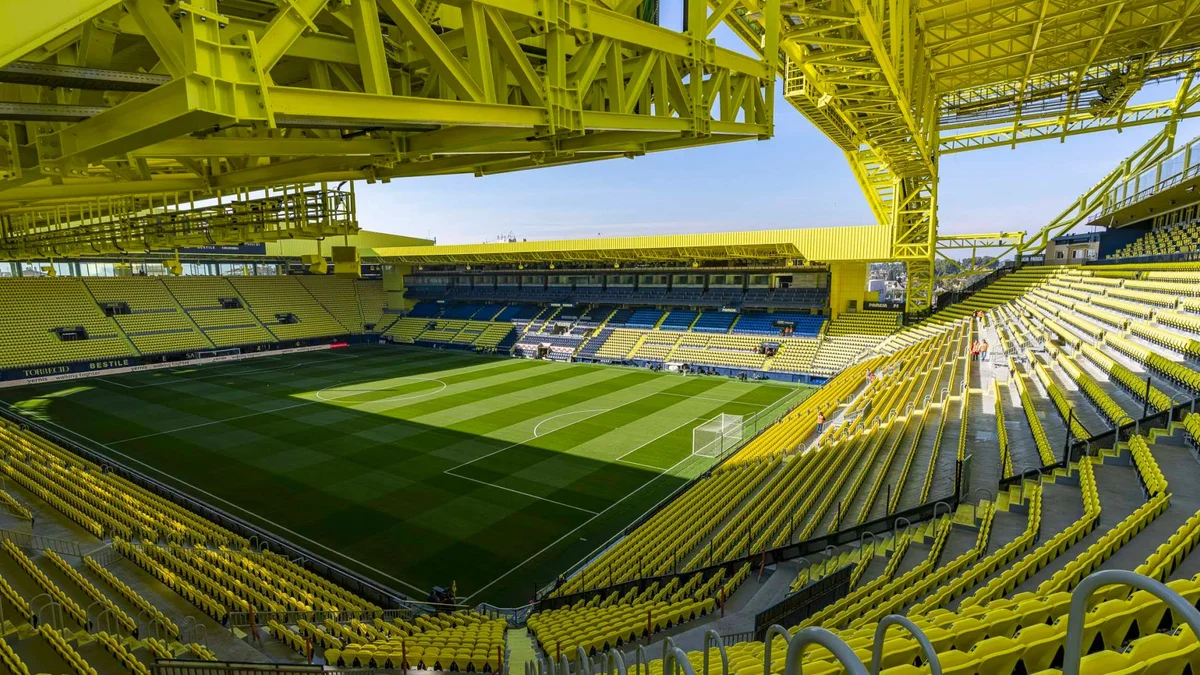
Villarreal plays home matches at the Estadio de la Ceramica, a ground long known to supporters as El Madrigal. The stadium opened in 1923, in the same year as the founding of the club, and it is one of the oldest stadiums in the Spanish top flight. The name Ceramica refers to the ceramic industry of the province of Castellon, a trade that has shaped the town and the region for generations. The ground sits close to the centre of Vila-real, with houses built near the stands.
The capacity is 23,500, which means that on a full match day, almost half of the town can be inside the stadium. The ground was renovated in 2017, with modern facilities that kept the close and intense atmosphere of the old Madrigal. The Fondo Norte stand towers above the rest of the ground and gives the stadium a unique shape. On European nights, the yellow wall of supporters and the tight stands make the Ceramica one of the most distinctive grounds in Spain.
Trophies and Records
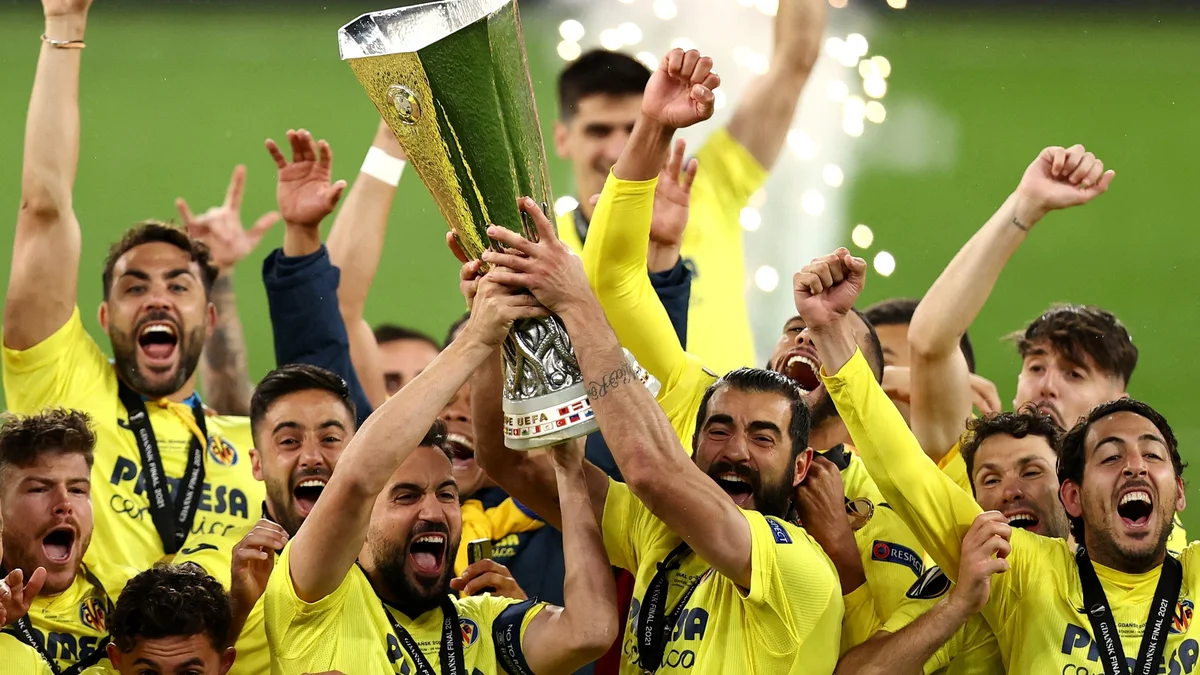
Villarreal has never won La Liga or the Copa del Rey, yet the trophy record in Europe is strong for a club of this size. The greatest night in club history came in 2021, when Villarreal won the UEFA Europa League. The final against Manchester United ended in a long penalty shootout, and Villarreal lifted the first major trophy in club history. The win made Vila-real the smallest town ever to produce a Europa League winner, a record that underlines the scale of the achievement.
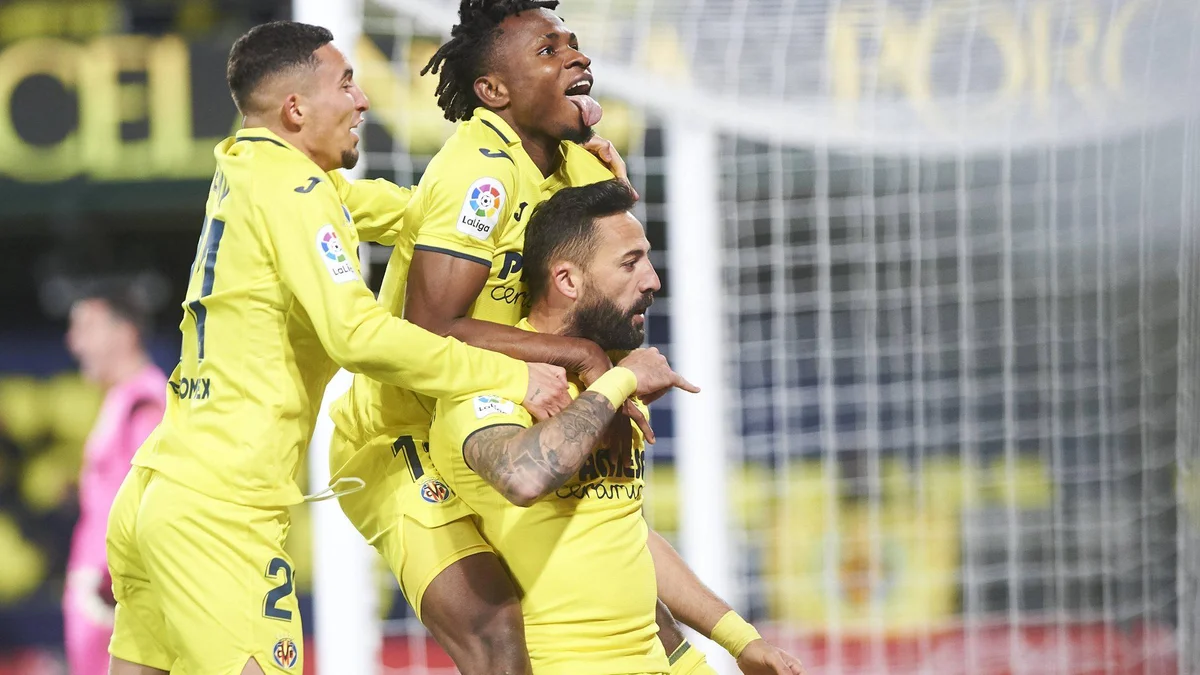
Before the Europa League win, Villarreal had lifted the UEFA Intertoto Cup in 2003 and again in 2004. In La Liga, the best finish was second place in 2007-08, behind Real Madrid. In the Champions League, Villarreal reached the semi-finals in 2005-06, in the first season in the competition, and lost to Arsenal. The club returned to the semi-finals in 2022, another run that confirmed Villarreal as a serious European team. The club was relegated in 2012 but won promotion back at the first attempt and has stayed in La Liga since then.
| Key Fact | Detail |
|---|---|
| Founded | 10 March 1923 |
| City | Vila-real, Castellon |
| Stadium | Estadio de la Ceramica |
| Capacity | 23,500 |
| La Liga best finish | Second in 2007-08 |
| Europa League titles | 1 (2021) |
| Intertoto Cups | 2 (2003, 2004) |
| Champions League best | Semi-finals 2006 and 2022 |
Legendary Players
Marcos Senna is the record appearance holder for Villarreal, with 363 official matches for the club. The Brazilian born Spanish midfielder was the heart of the team for many years, a calm and intelligent player who set the tempo of matches and led by example. Giuseppe Rossi is the top scorer in club history, with 82 goals, including 54 in La Liga. Rossi combined sharp movement with clinical finishing and became a hero for the yellow supporters.
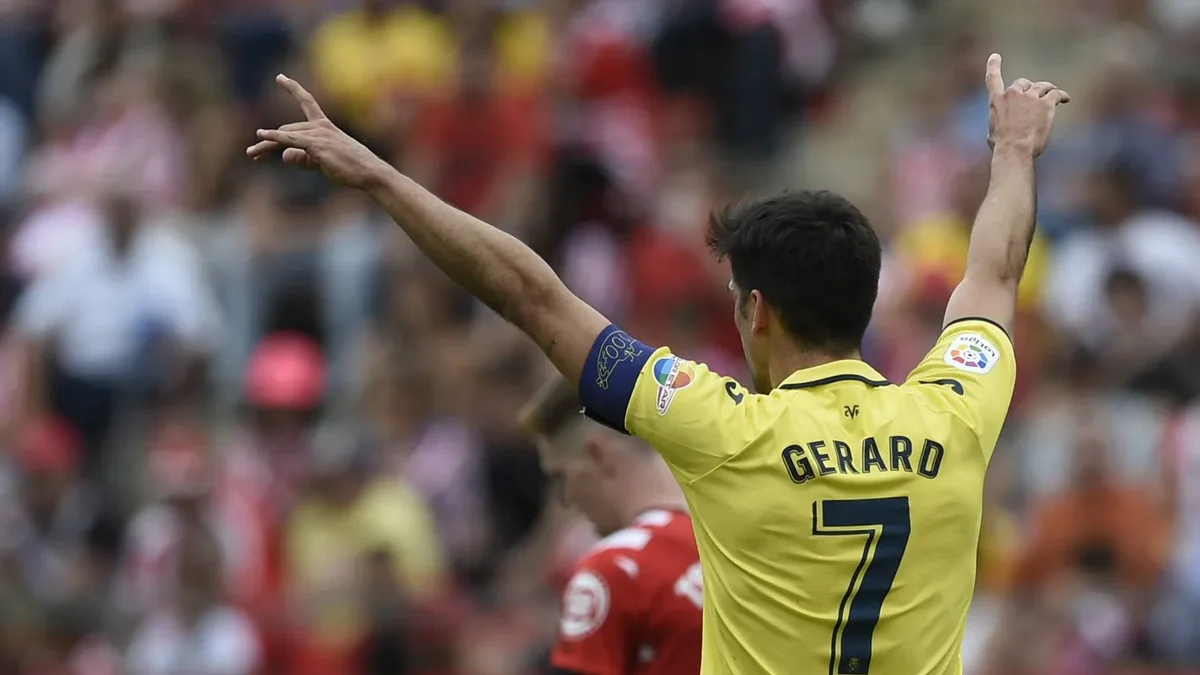
Juan Roman Riquelme brought genius to the Ceramica. The Argentine playmaker controlled matches with vision and passing that few players in Europe could match, and his era gave Villarreal a place on the world stage. Bruno Soriano and Santi Cazorla came through the academy and became symbols of the club, while Diego Forlan and Robert Pires added international class in the Roig era. Gerard Moreno has carried the scoring load in the modern era and remains a key figure for the team.
2026-27 Season Context
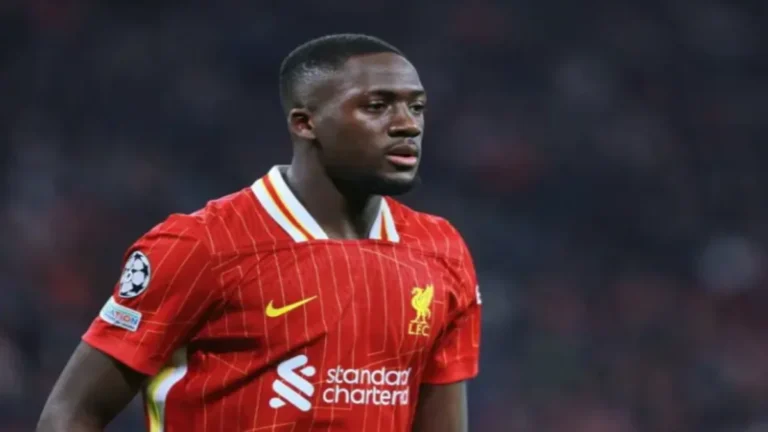
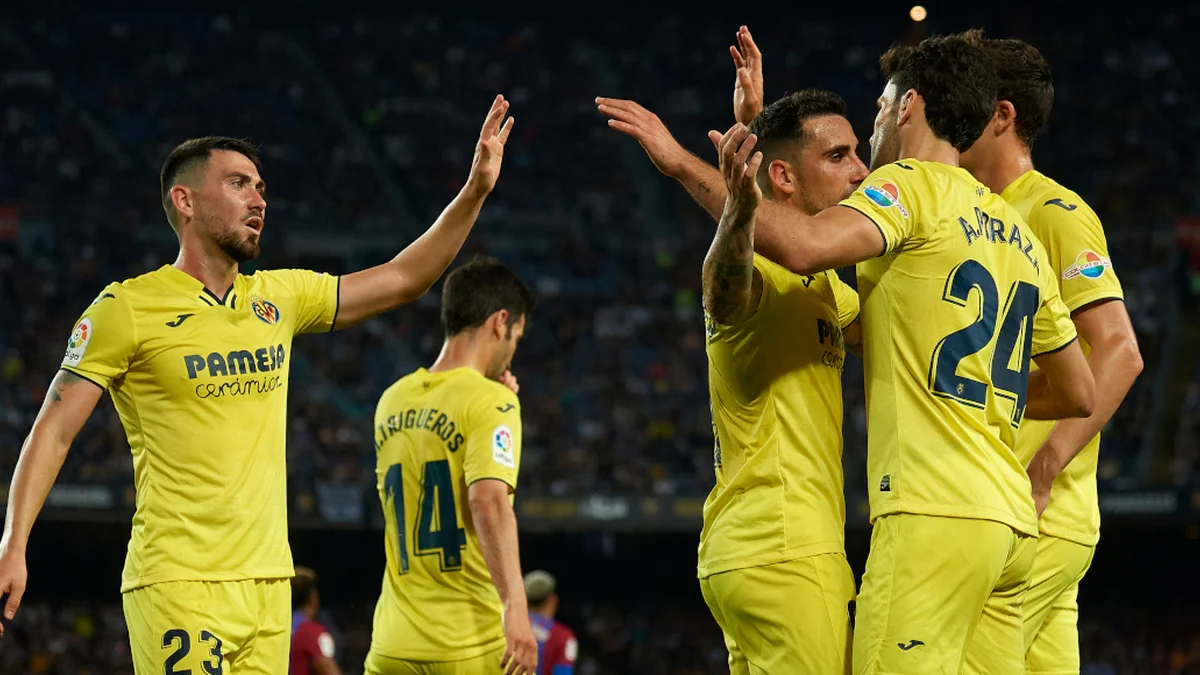
Villarreal entered the 2026-27 season with Inigo Perez as head coach. The club also returned to the Champions League, with a fixture list that included a trip to Liverpool at Anfield and a home match against Paris Saint-Germain. The start in La Liga was uneven. At the time of writing, after nine league matches, Villarreal sat in 12th place with nine points, from two wins, three draws, and four defeats. The squad had the quality to climb the table, and the European nights offered a chance to build momentum.
Villarreal finished third in La Liga in 2025-26, a result that secured the return to the Champions League. The challenge for the season is to balance the demands of Europe with the need for points in La Liga.
Why Villarreal Matters
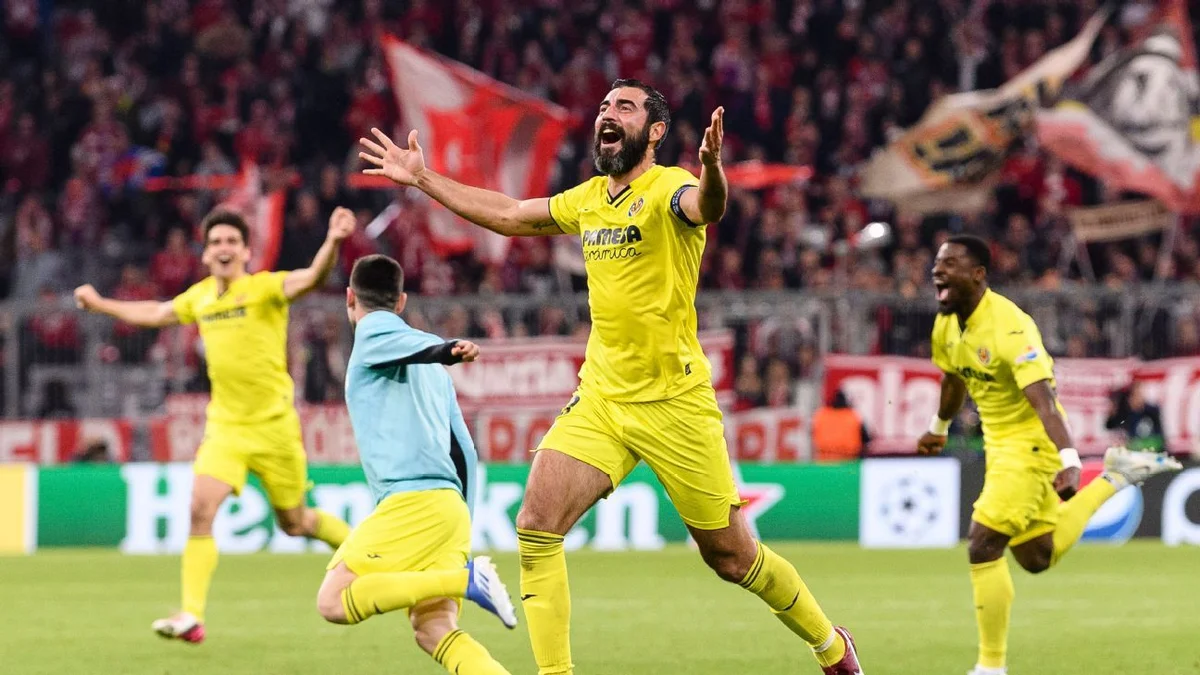
Villarreal matters because the club is a model for every small team in Europe. The town is tiny compared with Madrid, Barcelona, and Valencia, yet the club has built a stadium, an academy, and a first team that compete at the highest level. The Roig family project has focused on steady growth, smart signings, and youth development rather than short term spending. The result is a club that has stayed in La Liga for more than a decade and has become a regular in Europe.
The Europa League win in 2021 gave the story a fairytale ending, but the real lesson is the work behind it. Villarreal built a team that could beat Manchester United in a final and reach two Champions League semi-finals, all from a town where the stadium holds almost half of the population.
Conclusion
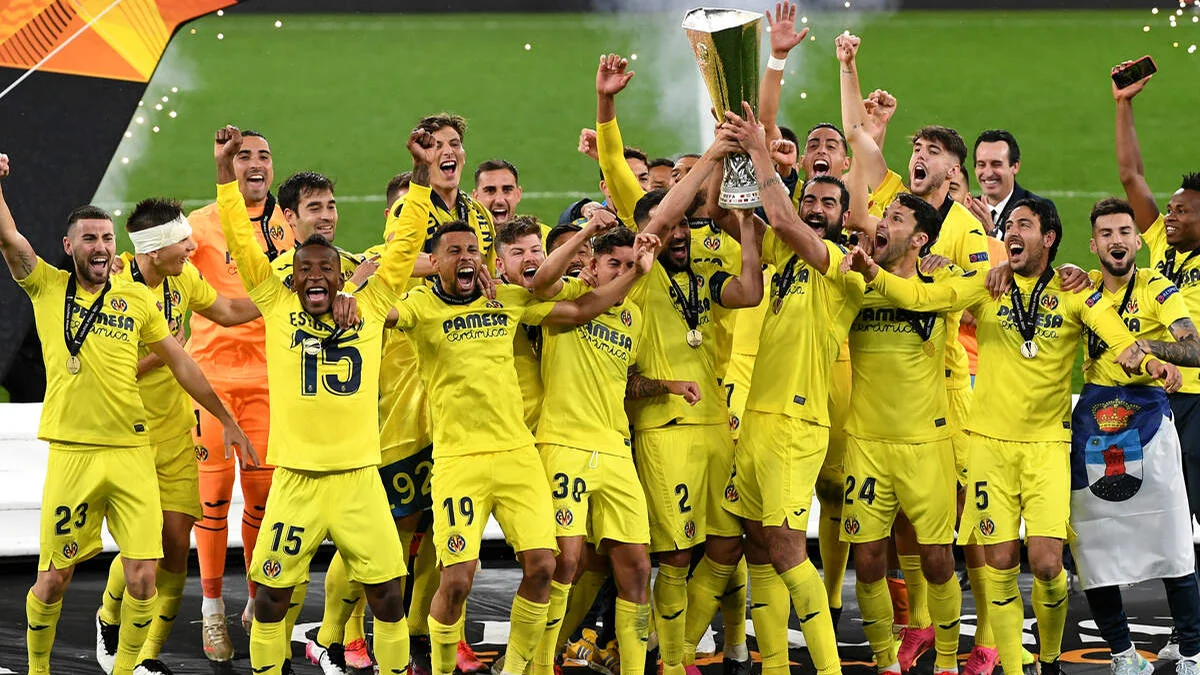
Villarreal is a club with a small home, a big heart, and a record that many larger clubs would envy. The Europa League title in 2021, the two Champions League semi-finals, and the second place finish in La Liga in 2007-08 tell the story of a club that keeps punching above its weight. The 2026-27 season brings Champions League football and another test of the famous model. For any football fan in Europe, the Yellow Submarine is a team worth watching.
When was Villarreal founded?
Villarreal was founded on 10 March 1923 by a group of fans from Vila-real. The club was first called Club Deportivo Villarreal.
What stadium does Villarreal play in, and what is the Estadio de la Ceramica capacity?
Villarreal plays at the Estadio de la Ceramica, long known as El Madrigal. The stadium opened in 1923 and the capacity is 23,500.
What is the biggest trophy Villarreal has won?
The biggest trophy is the UEFA Europa League, won in 2021 against Manchester United in the final. Villarreal has also won two Intertoto Cups, in 2003 and 2004.
Why is Villarreal called the Yellow Submarine?
The nickname comes from the yellow home kit and from the song Yellow Submarine, a cover version by Los Mustang that became the battle cry of the supporters.